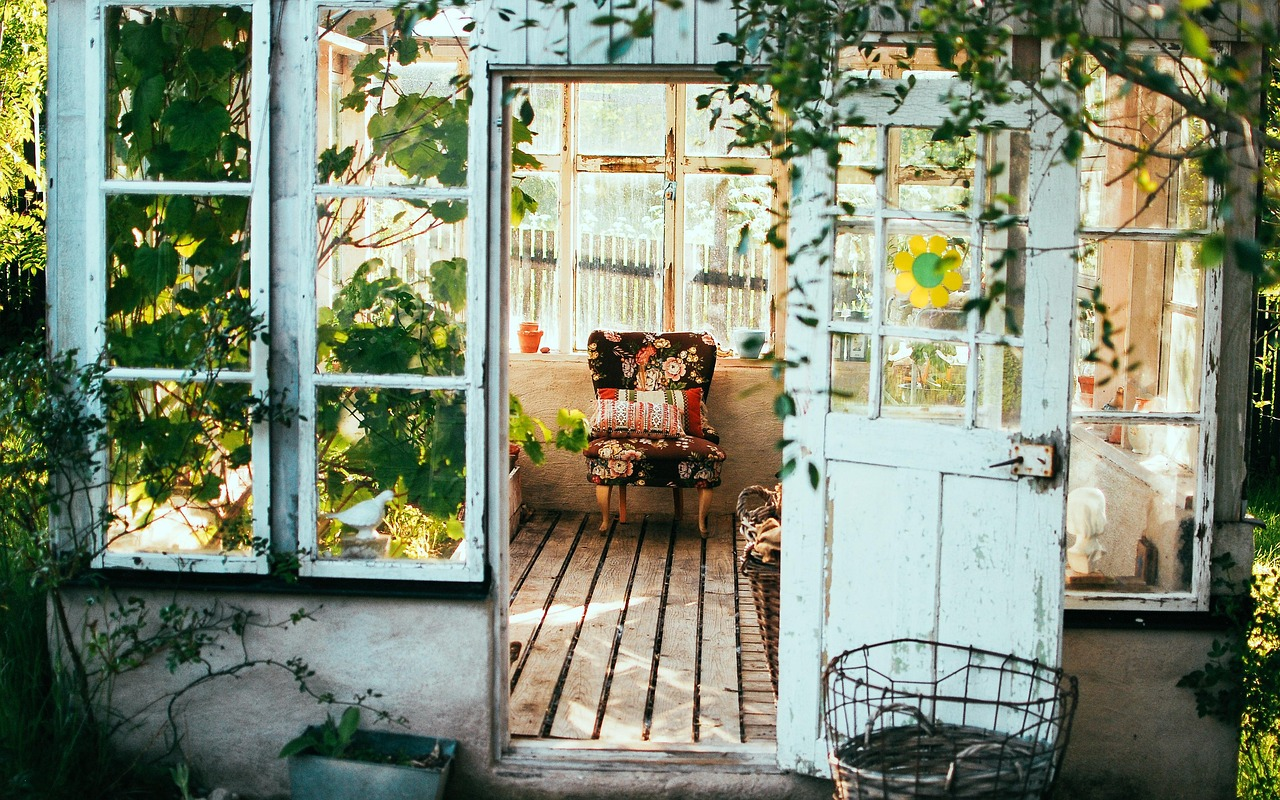
Want to turn your garden workshop into a space you’ll actually want to spend time in? You’re not alone. With an estimated 36.2 million Americans working from home by 2025, there’s never been a better time to make your garden workshop into a comfortable, dedicated workspace. The perfect solution? Garden workshops.
But here’s the thing…
Most garden workshops are cold, draughty, and frankly miserable to spend much time in during winter (and in the summer for that matter). The good news? With the right approach, you can turn that basic garden shed into a cosy, comfortable space you can use all year round.
Here’s what you’ll learn:
- Why insulation is the secret to all-year-round comfort
- How to make your workshop genuinely comfortable
- What heating options to choose (and which to avoid)
- Design tips for creating a cosy atmosphere
- Smart storage ideas
Insulation Is the Best Investment
First thing’s first…
Insulation is the single biggest factor in the transformation of a basic garden workshop into a comfortable space you can use all year round. The difference between a basic garden workshop and an insulated garden workshop is truly night and day. It’s not just about keeping warm – insulation makes the space usable.
Consider the alternatives…
Without insulation, your workshop is basically a sauna in summer and an icebox in winter. Any heating you do have will be wasted on escaping through thin walls and leaky windows. Energy bills will spiral. And your garden office becomes a place you only use when you really, really have to. No fun.
But here’s the flip side…
Install quality insulation and suddenly everything changes. Your workshop stays comfortable even on the hottest and coldest days. You slash your heating bills. And before you know it, that patch of your garden becomes somewhere you actually want to spend time.
The figures speak for themselves too. Garden offices with SIP panel construction have been proven to provide 40-60% energy savings compared to traditional timber construction of the same size. That’s serious cash back in your pocket each year.
Creating Comfortable Year-Round Space
Ok. Insulation’s the foundation for comfortable space. But how do you actually make your workshop pleasant to use all year round?
Temperature control is key, of course. But it all starts with understanding how heat (and cold) flow through your space. Good insulation means your space keeps the warmth in during the winter and keeps the heat out during the summer.
Sounds simple, right?
Start with these three areas:
- Walls – Biggest surface area. Heat (and cold) loss number one culprit.
- Roof – Hot air rises. Ignore this and you’re losing a ton of heat (and money).
- Floor – Cold feet = uncomfortable workshop. Ignore this at your peril.
- Windows and doors – Even small gaps here can undo all your other work. Check seals and fill gaps.
But don’t stop with insulation alone.
Ventilation is important too. A well-sealed workshop with no airflow is a stuffy, damp, unpleasant space. Install controllable vents. Consider a small fan. Don’t forget fresh air is essential for comfort.
Heating Options That Work
Ok. You’ve got good insulation.
Now what?
Want to know a secret?
The cheapest, most effective heating isn’t about the most expensive heater. It’s about the right heating for the space and how you use it.
Occasional use
- Electric panel heaters – Great for spot heating. Warms up quickly. Doesn’t cost much to buy. Just plug in when you need it and turn off when you’re done.
Daily use
- Underfloor heating – Very efficient. Provides even warmth throughout the space. One garden office owner had found that it only needed to be on for 1.5 hours per day to maintain an internal temperature of 21°C – even when outside temperatures were averaging just 4°C.
Budget-friendly options
- Oil-filled radiators – Energy-efficient and portable. Cheaper to run than traditional heaters. A fair bit of job at keeping small spaces warm.
- Infrared panels – Another energy-efficient option. Portable too. Great for targeted warmth in small spaces.
One more tip…
Layer your heating. A main source for baseline warmth. Add a small fan heater for a quick boost on cold days. This way you have flexibility without wasting energy.
Design Details For Creating Coziness
Time to make the space your own.
Remember – ‘cozy’ isn’t just temperature. It’s the vibe of the space. Details are important.
Lighting Matters
Natural light is a must. Get larger windows where possible. Make sure you position your desk/workspace to make the most of daylight.
But plan for artificial light too.
Layers again. Overhead for general. Task lighting for detail work. Ambient lighting for atmosphere. Get this right and your workshop will go from functional to inviting.
Materials Are Important
Hard surfaces reflect sound. They feel cold. Not cozy.
Introducing soft furnishings. A rug on the floor. Curtains on the windows. Acoustic panels on the walls. All absorb sound. Make the space feel warmer and more comfortable.
Personal Touches
Add some personality. Plants. Artwork you love. Comfortable seating. Things that inspire you.
Decorations? Yes. But they’re the difference between a workshop and a retreat.
Smart Storage Ideas
One last thing…
Clutter is the enemy of coziness. No matter how warm and inviting a space is, it will feel worse if it’s messy and disorganised. You need to plan for storage.
Built-in shelves are a great use of vertical space. Wall-mounted storage keeps the floor clear. Pegboards or under-bench storage can hide away tools and larger items. Plan around how you’ll actually use the space. Make everything have a place and make it easy to put things away.
The global garden rooms market is valued at $2.71 billion in 2025 and expected to reach $4.38 billion by 2032, with a 7.1% annual growth rate over the forecast period. Seems like people know a good garden room when they see one.
Finishing Touches
And here’s one final pointer…
Don’t forget the little things that make all the difference in taking your space from functional to a garden workshop you actually love to spend time in.
Good speaker or sound system. Kettle for hot drinks. Small fridge if you have the space. Comfortable seating beyond the chair. Coffee table if you have room. These sorts of touches really make the space a joy to use.
And think about the seasons.
Cozy in winter might not work in summer. Plan for both. Removable rugs/covers for cushions and throws let you adapt as the weather changes.
Bringing It All Together
Transforming your garden workshop into a cosy retreat doesn’t need to be complicated. It just needs a bit of thought. Start with insulation – that’s non-negotiable. Add heating that’s right for your space and usage. Layer on good lighting and comfortable furnishings. Include smart storage to keep it tidy.
Result? A space you can use all year round. Somewhere you’ll actually want to spend time. An investment that pays back in lower energy bills and better usability.
Best of all? Don’t need to do it all at once. Insulation and heating are priorities. Add comfort elements over time. Improve as you go. Each little upgrade makes the space better.
Your garden workshop has potential. With these ideas, you can make a cosy retreat that works for you for years to come. Whatever the weather outside.




Leave a Reply