Ever find yourself bracing for summer, dreading that sky-high electricity bill from cranking up the Air conditioning Newcastle upon Tyne? It’s a familiar scenario. While air conditioning is a lifesaver on sweltering days, it’s not the only way to stay cool. In fact, exploring alternatives can not only keep the heat at bay but also shrink your carbon footprint and save a few bucks.
Here’s the lowdown on staying comfortable without the hum of an air conditioner—practical solutions that won’t leave you sweating or broke.
Harnessing the Power of Fans and Ventilation
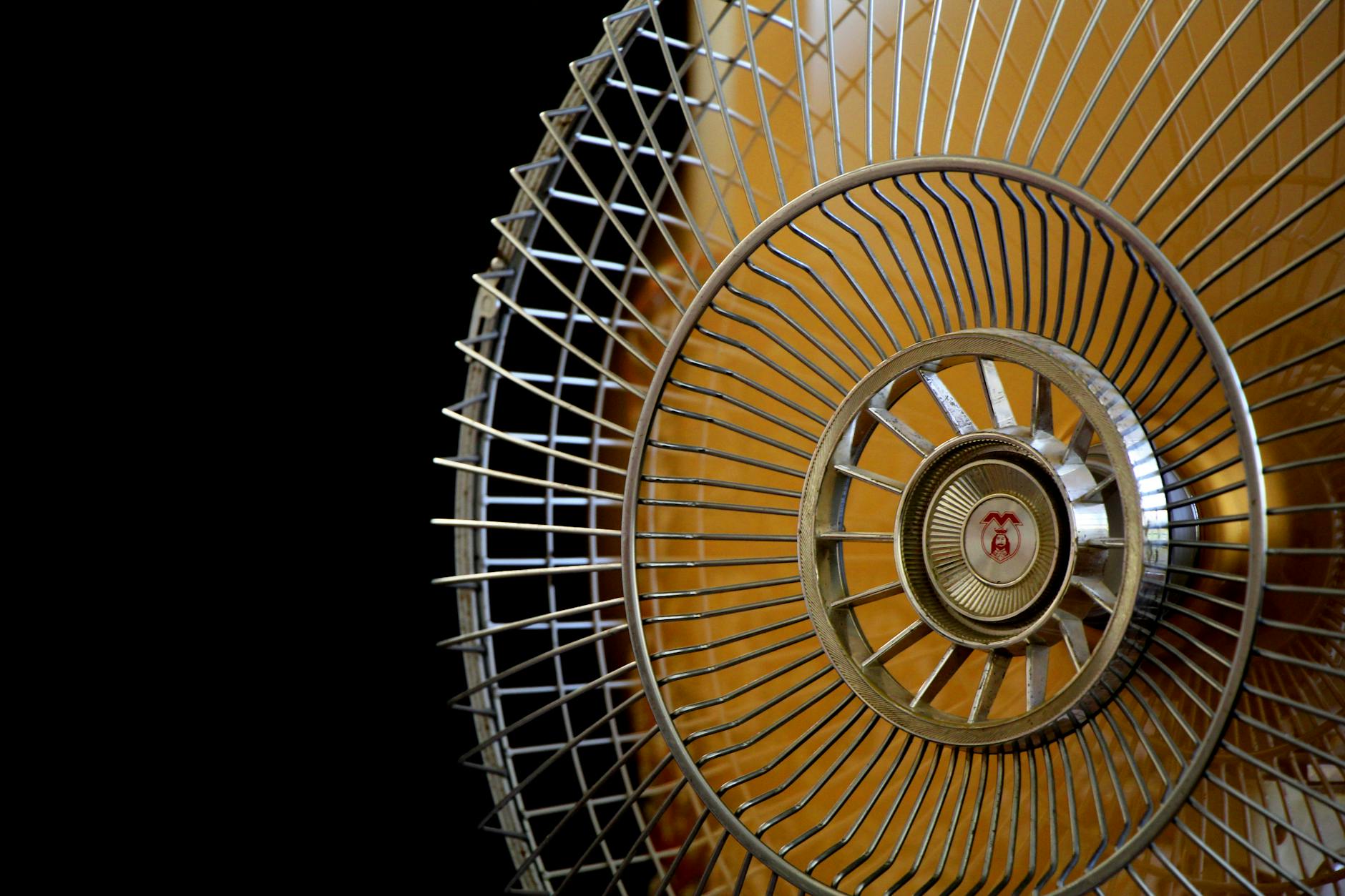
Fans might sound like the simplest option, but they’re anything but boring when used creatively. Ceiling fans, for instance, aren’t just there for decoration. Setting the blades to rotate counterclockwise pushes cool air down, creating a wind-chill effect that feels surprisingly refreshing. Box fans positioned strategically in windows can pull in cooler evening air, while exhaust fans in kitchens and bathrooms whisk out hot air lingering in the space.
Then there’s cross-ventilation, a game-changer for homes with multiple windows. Open a window on one side of the house and another on the opposite side. The natural airflow creates a gentle breeze, making the indoors feel far less oppressive. Think of it as nature lending a hand in your cooling efforts.
Keeping the Sun Out of the Equation
The sun might be a welcome guest in winter, but in summer, it’s the uninvited visitor heating up your space. Blackout curtains or thermal blinds act as barriers, blocking solar rays and reducing indoor temperatures significantly. For a more natural approach, planting shade-giving trees or vines around your home can cool things down while enhancing the aesthetic.
Another underrated option? Window films. These can reflect heat while still allowing light to filter through, so you’re not sitting in the dark. It’s all about controlling what’s coming in—and keeping the temperature outside where it belongs.
Evaporative Cooling: An Old-School Solution with a Modern Twist
Sometimes, the best innovations are rooted in the past. Evaporative coolers, often called swamp coolers, work by passing warm air over water-soaked pads. As the water evaporates, it cools the air before circulating it indoors. These systems are incredibly effective in dry climates where traditional air conditioning struggles to shine.
For a DIY version, place a shallow bowl of ice or cold water in front of a fan. The air passing over the cold surface picks up moisture, creating a cooling effect that’s surprisingly effective for small spaces.
The Role of Insulation in Beating the Heat
When you hear “insulation,” winter might come to mind, but it’s equally important in the summer. Proper insulation keeps heat from sneaking in through walls and roofs, maintaining a cooler indoor environment. If your attic isn’t insulated, consider adding reflective barriers or insulating materials. It’s a long-term investment that pays dividends in comfort year-round.
And let’s not forget windows—double-glazed or low-emissivity glass can drastically reduce heat transfer, ensuring your home stays cooler even when the sun is blazing.
Creative Cooling with Natural Materials
Sometimes, the answer lies in tradition. Homes in tropical regions have long relied on natural materials like bamboo, thatch, and clay to keep interiors cool. Incorporating these materials into your home—whether through flooring, roof covers, or even decor—can make a noticeable difference.
Clay pots, for example, can be used for a simple cooling hack. Fill a pot with water, cover it with a damp cloth, and place it in the room. As the water evaporates, it cools the air around it. It’s an easy, cost-effective method to try, especially on days when the heat feels relentless.
Adopting a Minimalist Approach to Electronics
It’s easy to overlook how much heat everyday appliances generate. From ovens to laptops, electronics contribute to the indoor temperature in sneaky ways. Opting for energy-efficient devices, limiting oven use, and unplugging electronics when not in use can keep things cooler.
Switching to LED bulbs is another small but impactful change. These bulbs emit less heat compared to traditional incandescent ones and use significantly less energy. A win-win for both you and the planet.
Lifestyle Tweaks for a Cooler Experience
Sometimes, the key to beating the heat isn’t in gadgets or materials—it’s in the way you live. Opt for loose, breathable clothing made from natural fabrics like cotton or linen. Hydration is crucial too; sipping on cool drinks keeps your body temperature in check.
Rearranging furniture can also help airflow circulate better. Keep large items away from windows and vents to ensure nothing blocks the breeze. And if all else fails, a damp towel draped around your neck or wrists offers immediate relief.
Why Alternatives Are Worth Exploring
Sure, air conditioning has its place, but it doesn’t have to be your only option. These alternatives not only reduce energy consumption but also help you live more sustainably. With a few adjustments, staying cool becomes less about technology and more about working with your environment.
So, whether it’s swapping out heavy curtains for thermal ones, embracing a breeze through strategic fan placement, or getting creative with old-school cooling tricks, the options are out there. The best part? You’ll likely find a combination that suits your home, budget, and personal style—proving that staying cool doesn’t have to come at a cost.
Because at the end of the day, isn’t summer meant to be enjoyed rather than endured?



Leave a Reply