Independence is a fundamental part of living a fulfilling life. For people with disabilities, achieving independence can involve navigating complex challenges in everyday activities, social participation, and personal care. The National Disability Insurance Scheme (NDIS) in Australia provides tailored support designed to help individuals overcome these challenges.
By offering personalized funding, access to services, and skill-building opportunities, NDIS programs focus on empowering participants to live life on their own terms. This post explores the different ways NDIS programs foster independence and improve the quality of life for those they support.

Personalized Support Plans Tailored to Individual Needs
NDIS programs begin with the creation of a personalized support plan for each participant. These plans consider personalised care plans for unique abilities, goals, and daily challenges, ensuring resources are allocated where they will have the greatest impact. By tailoring support to specific needs, participants receive assistance in areas that matter most, whether that’s mobility, communication, employment, or social engagement.
Personalized planning allows individuals to make choices about the services and therapies that best suit their circumstances. This level of customization addresses immediate needs and helps participants develop long-term skills for independent living.
Assistance with Daily Living Activities
NDIS funding can cover support for key daily living activities, which are often challenging for people with disabilities. This includes help with meal preparation, personal hygiene, mobility, and transportation. Assistance is designed to complement participants’ existing abilities rather than replace them entirely, promoting skill development alongside practical support.
By receiving this targeted help, individuals can maintain routines, participate in community activities, and remain in their own homes instead of relying on institutional care. Such support bridges the gap between dependence and independence, allowing participants to manage day-to-day life more effectively.
Access to Therapy and Skill Development Services
One of the core elements of NDIS programs is access to therapy and skill development services. Participants can work with occupational therapists, speech therapists, physiotherapists, and other specialists who focus on enhancing abilities and reducing barriers to independence. For example, occupational therapy can help people develop strategies for daily living tasks such as cooking, personal care, and managing finances.
Speech therapy may improve communication, enabling stronger connections with family, friends, and community members. These services provide practical skills that enhance self-reliance, making it possible for participants to navigate daily life with greater confidence and competence.
Employment and Community Participation Opportunities
NDIS programs encourage independence through employment and community participation initiatives. Support for job readiness, vocational training, and workplace adjustments enables people with disabilities to pursue meaningful careers. Employment provides financial independence and strengthens confidence, social interaction, and a sense of purpose.
NDIS programs offer opportunities for social inclusion through community groups, recreational activities, and skill-based workshops. Engaging in these experiences allows participants to build social networks, explore interests, and take part in society more fully, reducing isolation and fostering autonomy.
Assistive Technology and Home Modifications
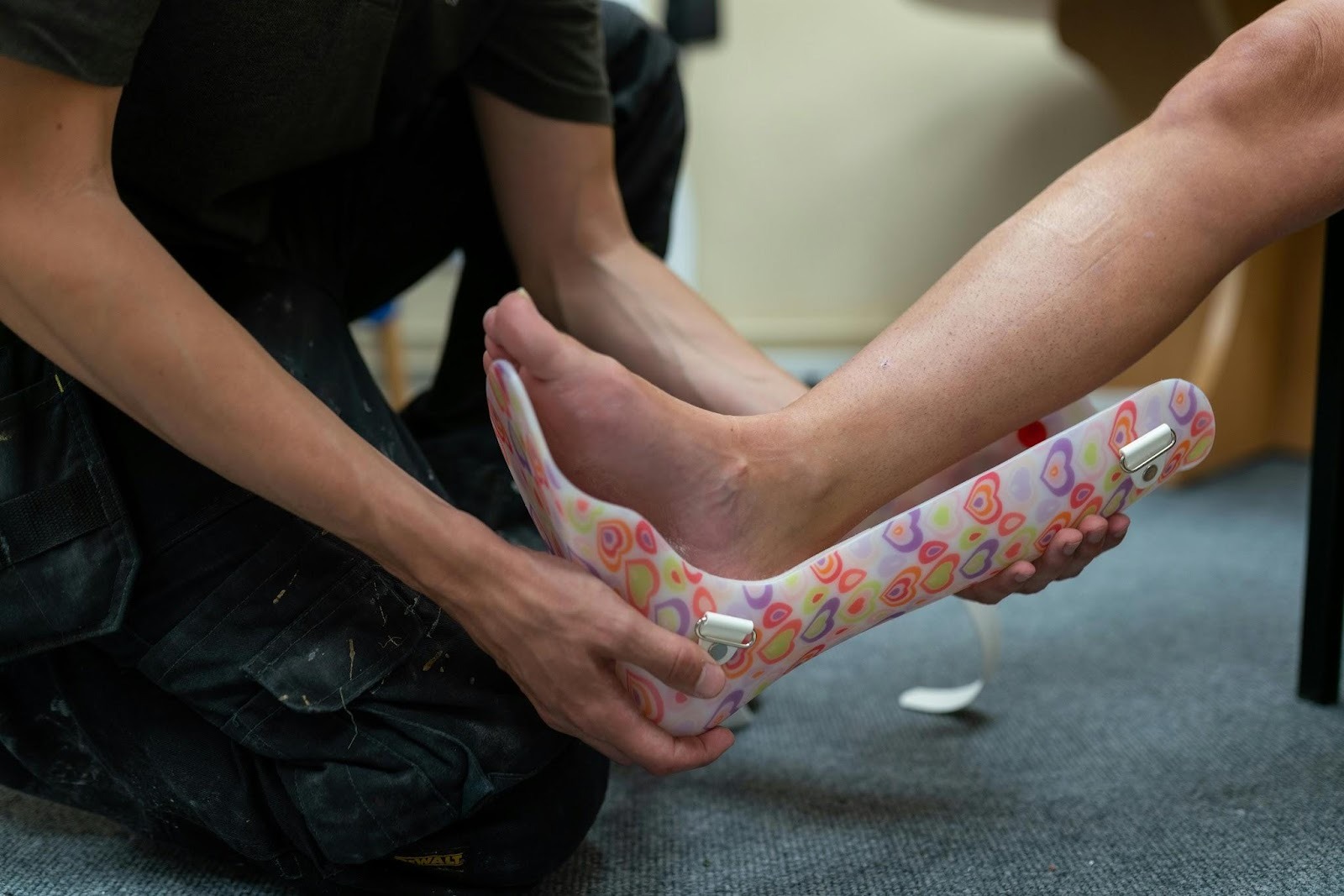
Access to assistive technology and home modifications is another way NDIS programs empower participants. Devices such as mobility aids, communication tools, and adaptive equipment help individuals perform tasks that may otherwise be difficult or impossible. Home modifications, including ramps, grab rails, and bathroom adjustments, make living environments safer and more accessible.
These tools provide the freedom to move around independently and safely, reducing reliance on caregivers. By integrating technology and environmental adaptations into daily life, NDIS programs enable participants to maintain control over their surroundings and make choices that support self-sufficiency.
Emotional and Peer Support Networks
Independent living extends beyond physical and practical needs, and NDIS programs recognize the importance of emotional and social support. Peer networks, support groups, and counseling services offer guidance, encouragement, and shared experiences that can reduce feelings of isolation. Connecting with others who face similar challenges fosters resilience and confidence, empowering participants to advocate for themselves and make informed decisions.
Emotional and social support complements other aspects of NDIS programs, ensuring that independence is about feeling capable, valued, and included in the community. These networks create opportunities for long-term friendships and ongoing mentorship, further strengthening personal growth and autonomy.

NDIS programs provide comprehensive support that addresses the practical and emotional dimensions of independence for people with disabilities. Through personalized plans, therapy services, assistance with daily living, employment opportunities, assistive technology, and peer support networks, participants gain the tools and confidence to live more autonomously.
By focusing on individual needs and goals, NDIS programs enable people to take control of their lives, participate fully in society, and achieve a greater sense of freedom. The empowerment offered by NDIS is a significant step toward a more inclusive society where people with disabilities can thrive on their own terms.




Leave a Reply