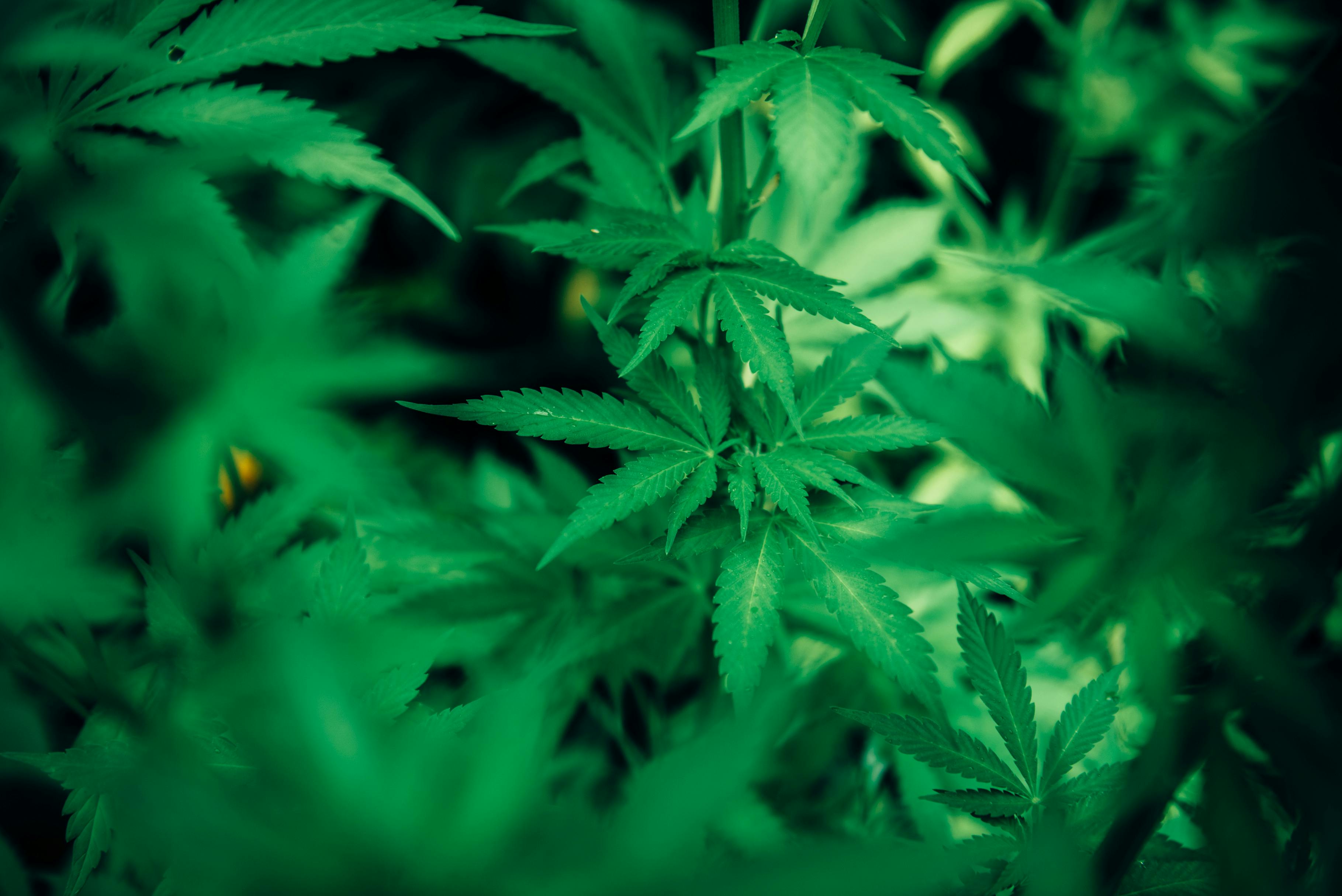
Cannabis has become a major topic in mental health discussions. The focus often centers on two main compounds found in the plant: THC and CBD. Each compound affects the mind and body in different ways, and learning how they work can help you make better choices.
With more people exploring this option, it is important to understand how each compound works and what to expect. Read more to see how it all comes together.
What is THC?
THC stands for tetrahydrocannabinol. It is the part of cannabis that causes the feeling of being high. When someone uses a product that contains THC, the compound enters the bloodstream and reaches the brain.
Many people feel relaxed, uplifted, or calm. Some users describe a change in how they see colors, sounds, or simple experiences.
THC may support some mental health conditions. Small amounts can help reduce anxiety for certain individuals. Some people who live with post-traumatic stress disorder find relief when using THC. Others report feeling less depressed or overwhelmed after limited use.
Because it can shift how the brain processes stressful feelings, THC can create a temporary sense of relief. Yet THC can also create problems when used without care. High doses may lead to stress, racing thoughts, or paranoia.
Anyone interested in THC should start slowly, learn how their body reacts, and always pay attention to how they feel.
Understanding CBD
CBD stands for cannabidiol. Unlike THC, it does not cause a high. Because CBD does not attach to brain receptors in the same strong way, it feels more subtle.
Instead of changing how a person sees or thinks, CBD supports balance in the body’s endocannabinoid system. This system helps manage stress, sleep, mood, and overall well-being.
Many people choose CBD when they want calm without intoxication. Some report feeling less tense or restless, while others say their thoughts feel clearer and easier to manage. CBD can help calm the body before bed, making it easier to fall asleep and stay asleep.
Because CBD does not alter perception, it is often seen as a safer starting point. Those who are nervous about THC or have had negative experiences with it may respond well to CBD. It is also popular with people who want to support their mental health while continuing daily tasks, social interactions, or family responsibilities.
Choosing What Works for You
When deciding between THC and CBD, consider your goals and your comfort level. If you want to ease stress quickly and enjoy a warm or euphoric mental state, small amounts of THC may suit you. If you prefer a gentle effect that helps you relax without feeling high, CBD may be the better option.
Your biology, body weight, brain chemistry, and health conditions all play a part in how cannabis works for you. Two people may try the same product and feel completely different results, which is why exploring options or browsing to see the shop can help you identify what fits your needs.
Your Path Toward Better Mental Health
Exploring cannabis for mental wellness is a personal journey. Whether you prefer THC, CBD, or a mix of both, your goals should guide your choices. Always choose products from trusted sources with clear lab testing.
Knowing what is in your products protects your health and ensures you get consistent results. Follow local laws and learn what is permitted in your area. With patience, self-awareness, and guidance, cannabis may become a tool that helps unlock a healthier state of mind.
Don’t miss out! Explore the rest of our blog for fresh ideas and tips.




Leave a Reply