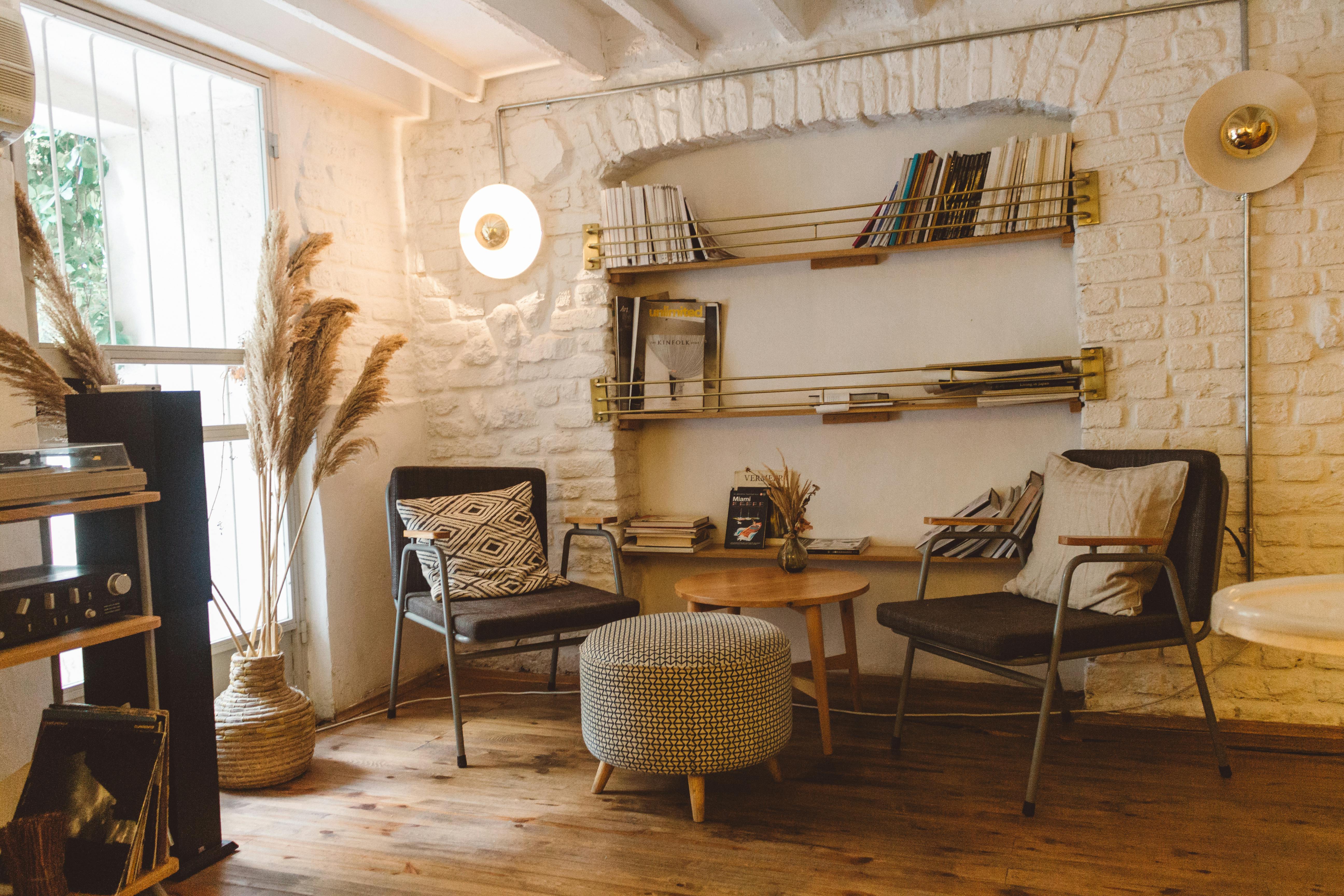
Homes experience changing comfort demands as seasons shift, temperatures fluctuate, and household needs evolve. Heating and cooling systems that once performed well may struggle to keep pace with these changes over time. Planning upgrades with seasonal demands in mind helps homeowners maintain consistent comfort, improve efficiency, and avoid unexpected performance issues. A thoughtful approach allows upgrades to feel strategic rather than reactive.
Seasonal changes place different types of stress on home comfort systems. Cold weather demands reliable heating, while warmer months require steady cooling and humidity control. Systems that are not designed or prepared for these variations may operate inefficiently or inconsistently. Many homeowners turn to experienced professionals like Pelican Heating & Air to better understand how long-term planning supports comfort throughout the year.
By planning upgrades ahead of time, homeowners gain control over comfort outcomes. Instead of waiting for performance to decline, proactive planning aligns system capabilities with future needs, creating a more dependable and comfortable living environment.
How Seasonal Demands Affect Home Comfort Systems
Each season introduces unique challenges for heating and cooling equipment. Winter requires systems to deliver steady warmth without excessive cycling, while summer demands extended cooling operation and moisture management. Transitional seasons bring fluctuating temperatures that test system adaptability.
Older or aging systems may struggle to respond smoothly to these shifts. Inconsistent performance, uneven temperatures, or increased runtime often reflect systems that are no longer well matched to seasonal demands. Planning upgrades helps address these limitations before comfort is affected.
Understanding how seasonal changes influence system performance allows homeowners to evaluate whether their current equipment can continue meeting expectations effectively.
Recognizing When an Upgrade Becomes Necessary
Comfort upgrades often become necessary when systems show signs of declining adaptability. Longer heating or cooling cycles, rising energy costs, or difficulty maintaining stable temperatures suggest that equipment may be nearing its limits.
Homeowners may also notice increased noise, frequent service needs, or uneven comfort throughout the home. These issues often worsen as seasonal demand increases, making proactive planning especially important.
Evaluating these signs early provides time to explore upgrade options without pressure. A planned approach ensures that comfort improvements are aligned with both current and future needs.
The Role of Modern Heat Pump Solutions
Modern heat pumps offer versatile solutions for managing seasonal comfort demands. By providing both heating and cooling from a single system, they adapt efficiently to temperature changes throughout the year. Their ability to transfer heat rather than generate it directly supports balanced performance.
Advancements in system design allow modern heat pumps to operate effectively across a wider range of temperatures. Improved compressors, controls, and airflow management contribute to smoother operation during both extreme and mild conditions.
For homeowners considering Heat Pump Replacement, modern systems provide flexibility that supports comfort through every season without frequent adjustments.
Improved Adaptability Across Seasons
Modern systems adjust output based on real-time conditions. This adaptability reduces strain during peak demand and supports consistent indoor temperatures year-round.
Energy Efficiency and Seasonal Planning
Energy efficiency is closely tied to how well systems handle seasonal changes. Equipment that struggles during extreme temperatures often uses more energy to maintain comfort. This inefficiency becomes especially noticeable during peak heating or cooling months.
Upgrading with seasonal demands in mind helps improve efficiency by matching system capacity to actual needs. Modern systems operate at variable speeds, reducing energy waste during milder conditions while maintaining strong performance during extremes.
A well-planned Heat Pump Replacement often results in smoother energy usage patterns and more predictable utility costs throughout the year.
Comfort Consistency During Transitional Seasons
Spring and fall present unique comfort challenges due to frequent temperature fluctuations. Systems must switch between heating and cooling modes efficiently without overworking components.
Older equipment may struggle during these transitions, leading to discomfort or frequent thermostat adjustments. Modern systems handle these shifts more effectively, maintaining comfort without constant intervention.
Planning upgrades with transitional seasons in mind ensures the system responds smoothly to changing conditions.
Supporting Future Household Changes
Homes and households evolve over time. Renovations, room additions, or changes in occupancy can alter comfort requirements. Planning upgrades allows homeowners to accommodate these changes proactively.
Modern comfort systems offer zoning options and flexible configurations that adapt to future needs. This adaptability ensures that comfort remains consistent even as the home changes.
Professional planning helps ensure the upgraded system supports both present and future demands effectively.
Reliability During Extreme Weather
Extreme weather places the greatest stress on home comfort systems. Heat waves and cold snaps require systems to perform at peak capacity for extended periods.
Upgrading before extreme weather becomes common helps ensure reliable operation during these critical times. Modern systems are designed to handle sustained demand without excessive strain.
Homeowners who plan upgrades in advance experience fewer disruptions and greater confidence during seasonal extremes.
Long-Term Value of Strategic Upgrades
Planning comfort upgrades strategically delivers long-term value beyond immediate comfort improvements. Efficient systems require fewer repairs, operate more smoothly, and maintain performance consistency over time.
These benefits contribute to lower maintenance costs and extended equipment lifespan. Upgraded systems also enhance home appeal by demonstrating thoughtful investment in comfort infrastructure.
Midway through the planning process, guidance from Pelican Heating & Air helps homeowners align system selection with long-term goals and seasonal performance expectations.
Reducing Stress Through Proactive Planning
Reactive upgrades often occur during inconvenient times, such as peak seasons or system failures. Proactive planning reduces stress by allowing homeowners to choose timing, evaluate options, and prepare properly.
This approach avoids rushed decisions and ensures upgrades are completed under favorable conditions. Homeowners benefit from smoother transitions and more predictable outcomes.
Planning ahead also allows for better coordination with professional schedules, reducing delays and disruptions.
Creating a Balanced Year-Round Comfort Strategy
A balanced comfort strategy considers heating, cooling, efficiency, and adaptability together. Rather than focusing on one season, planning addresses the full annual comfort cycle.
Modern systems designed for year-round performance simplify this strategy. A single solution can manage seasonal demands efficiently without requiring separate equipment.
With professional insight, homeowners can develop a comfort plan that supports reliability, efficiency, and consistency across all seasons.
Conclusion
Planning home comfort upgrades with seasonal demands in mind helps homeowners maintain consistent performance, efficiency, and reliability throughout the year. By recognizing changing needs and evaluating modern solutions, households avoid reactive decisions and unexpected disruptions. A well-timed Heat Pump Replacement supports adaptability across seasons, improved efficiency, and long-term comfort. With expert guidance from Pelican Heating & Air, proactive planning becomes a valuable step toward dependable year-round home comfort.




Leave a Reply