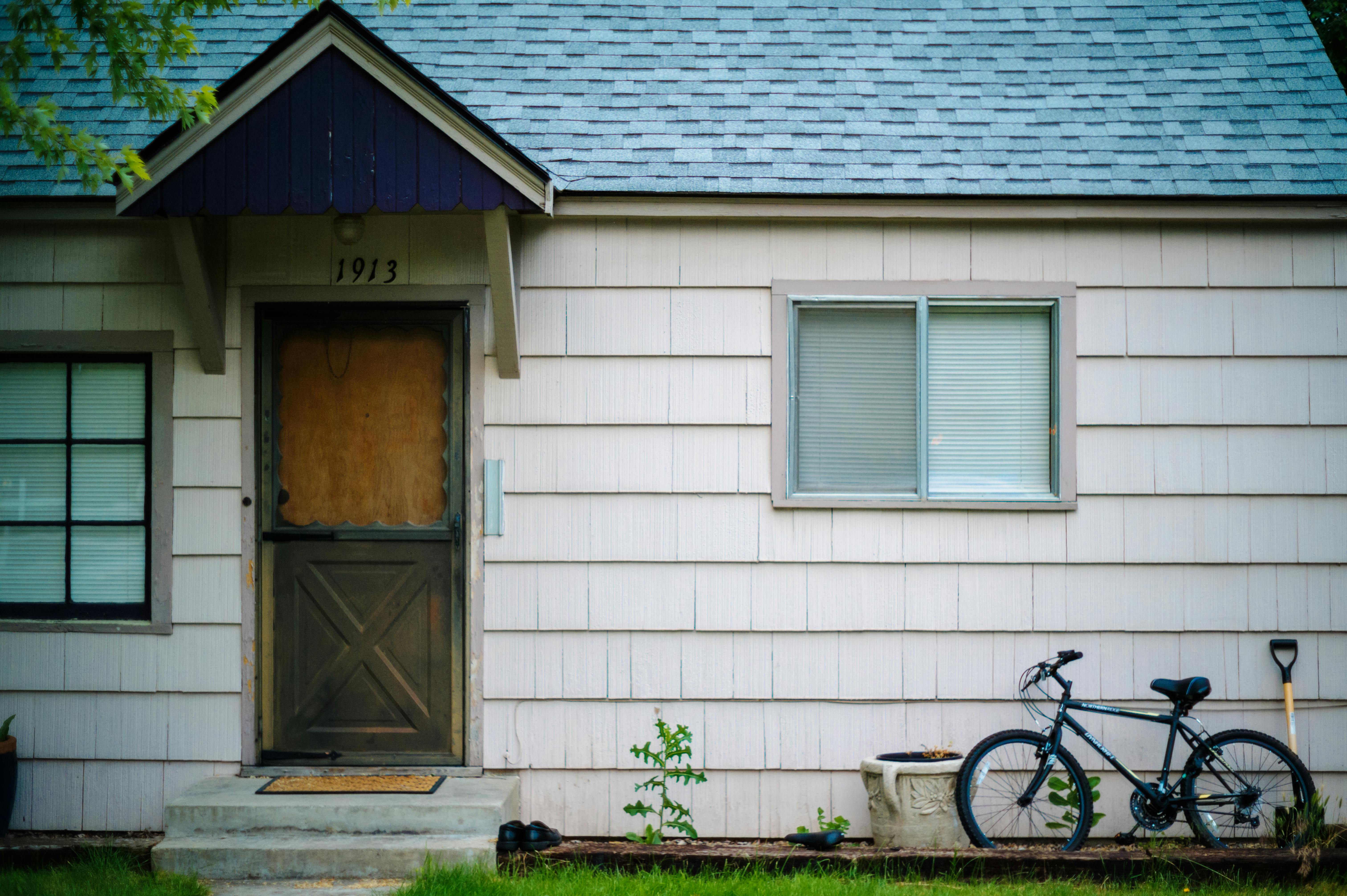
Exterior durability depends on how well a home manages constant exposure to moisture, temperature changes, and environmental stress. While many homeowners focus on roofing as the primary barrier, siding plays an equally important role in protecting the structure beneath. When siding performs as intended, it helps regulate moisture movement, shields wall assemblies, and supports long-term exterior stability. Poor or aging materials, however, allow water and air intrusion that gradually weaken the home.
Moisture related issues rarely appear overnight. They develop slowly as water penetrates small gaps, becomes trapped within wall systems, and compromises materials over time. Quality exterior materials are designed to manage this exposure by shedding water, allowing proper drying, and maintaining consistent protection. Understanding how siding contributes to this balance helps homeowners make informed decisions that support durability rather than repeated repairs.
Homeowners who evaluate exterior protection with guidance from Kutsch Roofing often discover that Siding plays a critical role in regulating moisture while preserving the strength and appearance of the home’s exterior.
Why moisture control is essential for exterior durability
Moisture is one of the most damaging forces a home faces. Rain, snow, and humidity constantly interact with exterior surfaces.
When water is not properly managed, it seeps into wall assemblies and creates long-term damage. Effective moisture control preserves framing, insulation, and interior finishes.
Dry systems remain strong.
Understanding how siding manages water exposure
Siding is designed to deflect water away from the structure while allowing limited airflow behind the surface.
This balance prevents water from becoming trapped. Properly functioning materials guide moisture downward and outward, reducing intrusion risk.
Controlled flow protects structure.
Preventing hidden moisture accumulation
Hidden moisture causes damage long before it becomes visible. Mold growth, rot, and material decay often start behind exterior surfaces.
Quality materials reduce opportunities for water to collect. Allowing walls to dry properly supports long-term durability.
Drying capability prevents decay.
Supporting wall system ventilation
Exterior wall systems rely on airflow to release trapped moisture. Poorly designed or failing materials block this process.
Well-designed siding supports ventilation behind the surface. Proper airflow reduces condensation and moisture buildup.
Ventilation improves resilience.
Protecting structural framing from deterioration
Framing materials are especially vulnerable to prolonged moisture exposure. Once compromised, repairs become extensive and costly.
Exterior protection that sheds water effectively helps keep framing dry. Preserving framing strength maintains overall structural stability.
Dry framing lasts longer.
Managing seasonal expansion and contraction
Temperature changes cause exterior materials to expand and contract. Poor materials crack or warp under this stress.
Quality siding accommodates movement without losing protective function. Flexibility helps maintain a tight exterior envelope.
Adaptability supports longevity.
Reducing the risk of mold and mildew growth
Moist environments encourage mold and mildew. These issues affect both structural materials and indoor air quality.
Effective moisture regulation limits conditions that support growth. Healthier wall systems improve overall living conditions.
Dry walls discourage growth.
Enhancing exterior durability during heavy rainfall
Intense rain tests exterior systems. Weak points allow water to penetrate quickly.
Durable materials resist wind-driven rain and shed water efficiently. Strong performance during storms protects the home.
Storm resistance improves confidence.
Supporting consistent insulation performance
Moisture affects insulation effectiveness. Wet insulation loses thermal value and contributes to energy inefficiency.
By limiting water intrusion, siding helps insulation remain dry. Dry insulation performs more consistently year round.
Protection supports efficiency.
Reducing long-term maintenance demands
Moisture damage often leads to frequent repairs. Peeling finishes, warped panels, and soft spots require ongoing attention.
Quality materials reduce these issues. Durable exteriors demand less frequent maintenance.
Reduced upkeep saves time.
Preserving exterior appearance over time
Water damage often appears as staining, discoloration, or surface deterioration.
Effective moisture management helps preserve appearance. Clean, stable surfaces maintain curb appeal and property value.
Appearance reflects protection quality.
Understanding the role of Siding in moisture regulation
Siding is not just decorative. It is a functional system that manages how water interacts with the structure.
Understanding this role helps homeowners prioritize performance rather than appearance alone.
Function supports durability.
The importance of proper installation and evaluation
Even high-quality materials fail if not installed correctly. Gaps, poor alignment, or missing components compromise moisture control.
Midway through exterior planning, Kutsch Roofing provides professional evaluation to ensure Siding systems support moisture regulation and durability goals.
Expert insight improves outcomes.
Supporting durability in varied climate conditions
Different climates present different moisture challenges. Humidity, freeze thaw cycles, and heavy rain all affect performance.
Quality materials are selected to handle local conditions. Climate awareness improves long-term durability.
Environment shapes performance needs.
Preventing damage to interior finishes
Moisture that penetrates exterior walls eventually affects interior surfaces.
Effective exterior protection limits this progression. Protecting the outside safeguards interior finishes and materials.
Exterior care protects interiors.
Coordinating siding with other exterior systems
Siding works in combination with roofing, windows, and gutters. Gaps between systems allow moisture entry.
Coordinated design improves protection. Integrated systems reduce vulnerability.
Systems perform best together.
Supporting long-term property value
Exterior durability influences buyer perception and inspection outcomes. Moisture damage raises concerns.
Well-maintained siding signals responsible ownership. Strong protection supports property value.
Condition affects market confidence.
Reducing emergency repair risks
Moisture related failures often appear suddenly after long periods of exposure.
Quality materials reduce this risk. Planned durability replaces reactive repairs.
Preparation reduces disruption.
Improving comfort inside the home
Moisture and air infiltration affect indoor comfort. Drafts and damp conditions reduce livability.
Effective exterior protection stabilizes indoor environments. Comfort improves as exterior performance improves.
Dry homes feel better.
Aligning exterior protection with long-term planning
Homes age over decades. Exterior systems must support long-term ownership goals.
Choosing durable materials aligns protection with future plans. Long-term thinking improves outcomes.
Planning supports resilience.
Enhancing resistance to pests and decay
Moist environments attract pests and accelerate decay.
Dry, well-protected exteriors discourage infestation. Durable materials reduce vulnerability.
Dry structures resist damage.
Simplifying future upgrades and repairs
Quality siding creates a stable base for future exterior improvements.
Strong foundations reduce complications during later projects. Durability simplifies future work.
Stability supports flexibility.
Long-term benefits of effective moisture regulation
Over time, moisture control delivers cumulative benefits. Structural integrity remains strong and maintenance stays manageable.
Prevention outperforms repeated repair.
Control delivers durability.
Protecting homes through effective exterior materials
Exterior durability depends on how well moisture is managed. Siding plays a central role in this protection.
With guidance from Kutsch Roofing, homeowners can rely on Siding designed to regulate moisture and enhance exterior durability. Thoughtful material selection and planning preserve structural strength, reduce long-term risk, and support confident home ownership for years to come.



Leave a Reply