Smart construction trends are changing how the industry shapes the modern landscape of project management and even architectural design. With emerging technologies, building projects are becoming more advanced in ways that help teams work more efficiently, build safer establishments, and offer more than just a space, such as units. But what are the main trends being used today? From AI and ML to digital twins, here are some of the most used examples.
Designing for Sensory Experiences
Modern buildings such as offices and retail spaces are more than just units these days. With smart applications that include design philosophies, contemporary spaces are being designed to accommodate an experience just as much as a physical presence. This is why modern railing companies are seeing an increase in business, as they can assist with installations such as glass and LED-lit barriers that offer maximum safety while adding to a design aesthetic.
The Use of AI and Machine Learning
Artificial intelligence (AI) and machine learning (ML) are being applied across every sector imaginable, and this includes construction. Rather than a novel tool for automating simple processes, AI has now become an invaluable aid for anything, including safety analysis, generative design input, and predictive maintenance. As AI tools are implemented, they can also learn about ongoing projects with recommendations for PPE and hazard monitoring.
Smart Construction Trends and BIM
Compared to just 10% ten years ago, up to 75% of construction companies today use Building Information Management (BIM), and it is considered among the most essential tools and software for construction projects in 2026. But what is it and how can it help? BIM offers real-time project data in various ways. This includes cost and time data into a 3D model for financial and scheduling visualization, and facilitates better collaboration between software.
Digital Twins During Construction
One of the most compelling smart advancements in construction is the use of a digital twin. A digital twin is a one-to-one replication of a construction project in a virtual space. But what is the advantage of this? A real-time model in a project can help you model changes that impact the project and run “What If” scenarios. However, it also allows project leads to assess real-time data from sensors using the IoT and BIM for more accurate project cost and lifecycle analysis.
Drones for Advanced Aerial Imaging
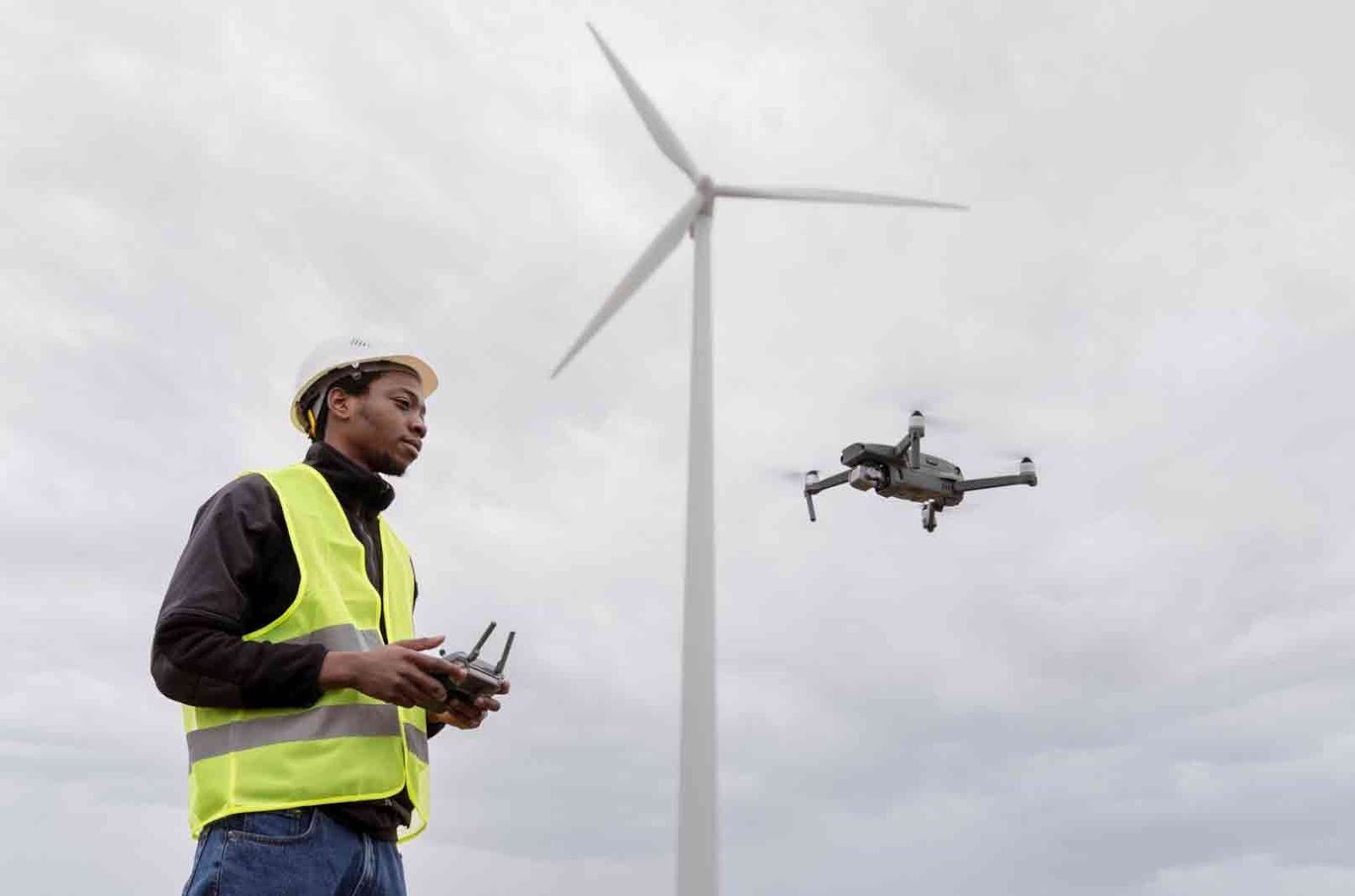
The cost of drones and access to them is lower than ever today. For just a few hundred dollars, you can buy a high-quality drone, such as a DJI Mini, that offers numerous benefits to a construction project. For example, drones can be used for a real-time flyby of a site, allowing architects and teams to see exactly how the project is progressing. They can also enter dangerous spaces to check for hazards and inspect high-risk areas for on-site safety.
Summary
A sensory design is a modern application of smart construction trends that are shaping the industry as we progress into the future. Of course, modern teams are also using BIM for real-time data insights, as well as accessible tools like drones for a higher level of safety.



Leave a Reply