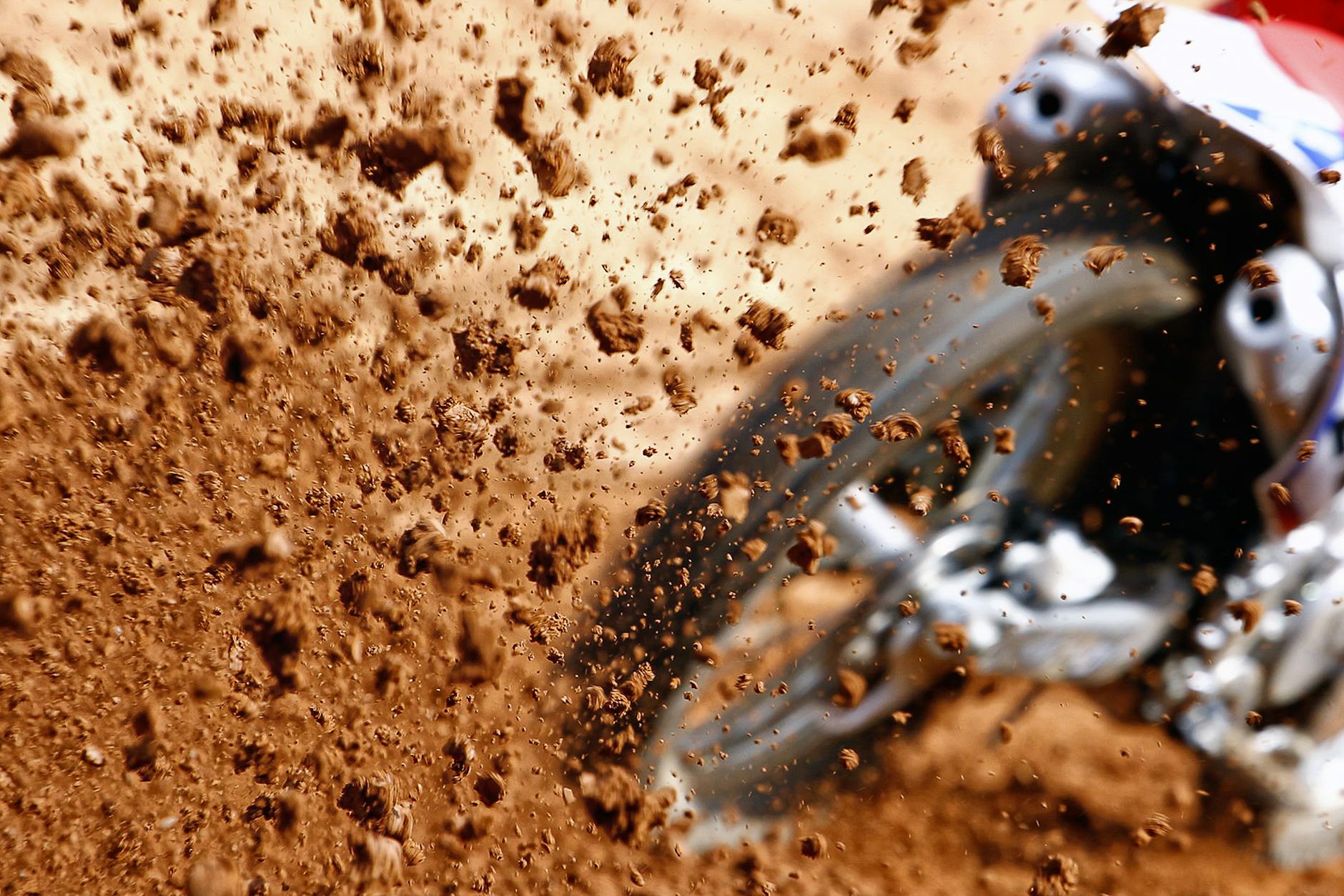
Mountain biking is not just a sport; it’s an adventure that requires skill, stamina, and the right mindset. Whether you’re a beginner or a seasoned pro, mastering essential mountain biking skills is crucial for your safety, performance, and overall enjoyment of the sport. From navigating technical terrain to perfecting your bike-handling techniques, the skills you develop will define your riding experience. In this article, we’ll dive into the key skills every mountain biker should master to ride with confidence and ease.
1. Proper Bike Setup and Maintenance
Before you even hit the trails, it’s essential to have a well-set-up and maintained bike. Ensuring that your bike fits you correctly can make a world of difference in terms of comfort and control. Proper saddle height, handlebar positioning, and brake adjustments are vital for both performance and injury prevention.
Regular maintenance is equally important. Check your tire pressure, brake pads, chain, and gears before every ride. Understanding how to perform basic bike maintenance, such as fixing a flat tire, adjusting your derailleurs, and cleaning your chain, will keep your bike in peak condition and save you from unexpected breakdowns on the trail.
2. Bike Handling Skills
Riding with control is perhaps the most fundamental skill every mountain biker should master. Handling your bike efficiently on various terrains—whether smooth dirt paths or rocky, technical trails—will enhance your riding experience and ensure your safety.
Cornering
Cornering is a skill that requires balance, timing, and technique. When entering a corner, always focus on looking ahead and leaning into the turn while maintaining a stable, centered body position. Keep your outside pedal low and your inside pedal high to prevent it from hitting the ground. Practice cornering on different terrains to master control and speed through bends.
Braking Techniques
Mastering proper braking techniques is essential for controlling your speed and stopping safely. It’s important to use both the front and rear brakes, with more emphasis on the front brake when slowing down, as it provides more stopping power. However, be careful not to grab the front brake too hard, especially on loose or downhill terrain, as it can cause you to flip over the handlebars. Smooth, gradual braking allows you to maintain traction and control over the bike.
Weight Distribution
Maintaining the right weight distribution helps you control the bike more effectively. When riding uphill, shift your weight slightly forward to keep your front wheel from lifting off the ground. In contrast, when going downhill, shift your weight back to prevent your front wheel from diving into the terrain. Practicing proper weight distribution helps you maintain balance and control in a variety of conditions.
3. Climbing Skills
Climbing is one of the most challenging aspects of mountain biking, but it’s also one of the most rewarding. To master climbing, focus on these key points:
Gear Selection
Proper gear selection is crucial when tackling uphill sections. Use a lower gear to maintain a consistent pedaling rhythm without exhausting yourself too quickly. Shift gears smoothly as you climb to maintain a steady cadence and avoid stalling out.
Pedal Technique
When climbing, ensure that you’re not just pushing down on the pedals but also pulling up on them in a circular motion. This technique, known as “spin,” engages more muscle groups and helps maintain momentum. Keep your upper body relaxed, using your core to stabilize your body while your legs do the majority of the work.
Stamina and Pacing
Climbing can be physically demanding, so it’s essential to pace yourself. Instead of sprinting to the top, find a rhythm that you can sustain throughout the climb. Focus on steady, controlled breathing to fuel your muscles and avoid burning out prematurely. Over time, as your fitness level improves, you’ll find yourself able to tackle steeper and longer climbs with ease.
4. Descending with Confidence
Descending on a mountain bike can be exhilarating but also daunting, especially when faced with technical terrain or steep slopes. However, mastering the art of descending is crucial for improving your overall mountain biking skills.
Body Position
Your body position while descending is critical for maintaining balance and control. Keep your body low and centered over the bike, with your elbows and knees slightly bent to absorb shocks. Shift your hips back and drop your heels slightly to lower your center of gravity and prevent your front wheel from lifting.
Looking Ahead
Always look ahead while descending to anticipate obstacles and plan your route. This gives you time to react to changes in the trail and adjust your body position and speed accordingly. Avoid staring directly at obstacles; instead, keep your gaze focused on where you want to go, as this will help guide you through the descent more smoothly.
Speed Control
While it’s tempting to let loose on downhill sections, controlling your speed is vital for safety. Use your brakes smoothly and gradually to modulate your speed rather than slamming them on all at once. If the terrain is rocky or technical, it’s better to descend at a manageable pace, allowing you to react to obstacles with more control.
5. Navigating Technical Terrain
Mountain biking often takes you through rocky, root-filled trails, and mastering your bike’s handling on these types of technical terrain is key to becoming a proficient rider.
Rock Gardens
Rock gardens—areas filled with loose rocks or boulders—can be intimidating for many riders. The key to successfully navigating a rock garden is staying loose and relaxed. Keep your body weight centered and your arms and legs slightly bent to absorb the bumps. It’s also important to look ahead, so you know when to lift your front wheel or adjust your body position for upcoming obstacles.
Roots and Obstacles
Roots are another common challenge on technical trails. When you approach a root, try to keep your momentum and avoid braking right before it. Lift your front wheel over the root if possible, and use your arms and legs as shock absorbers to help you maintain balance.
Technical Climbs and Descents
Mastering technical climbs and descents requires a combination of bike handling skills, strength, and finesse. In these situations, it’s crucial to maintain momentum and keep your line clean. Avoid unnecessary braking or shifting your body too abruptly, as this can cause you to lose control. Practice on smaller obstacles first and gradually work your way up to more difficult terrain.
6. Improving Endurance and Fitness
Mountain biking demands physical endurance, as it combines cardiovascular, muscular, and mental endurance. To improve your performance, incorporate both aerobic and strength-training exercises into your routine.
Aerobic Conditioning
Mountain biking requires stamina, especially on long rides. Incorporate steady-state rides into your training regimen to improve cardiovascular endurance. Aim for rides that last 1-2 hours, gradually increasing the intensity as your fitness improves.
Strength Training
Building strength in your legs, core, and upper body is essential for handling your bike over varied terrain. Focus on exercises like squats, lunges, planks, and push-ups to build strength and stability. A strong core is particularly important for maintaining control and balance during technical sections.
7. Essential Safety Skills
Safety is paramount in mountain biking, and every rider should be equipped with the skills to protect themselves in case of an emergency.
Knowing Your Limits
Pushing your limits is part of the thrill of mountain biking, but knowing when to back off is crucial for your safety. If you’re not comfortable with a particular section of the trail or obstacle, don’t hesitate to walk it. Pushing yourself too hard can lead to injuries or accidents.
Types of Helmets
Wearing the right helmet is one of the simplest and most effective ways to protect yourself while mountain biking. There are various types of helmets available, from full-face helmets designed for downhill riders to lightweight, breathable helmets for cross-country riders. Choosing the appropriate helmet for your riding style and the terrain you’ll be tackling is essential for your safety.
First Aid Knowledge
It’s also important to have basic first aid knowledge in case of an accident. Learn how to treat minor cuts, scrapes, or sprains, and always carry a small first aid kit while riding. Being able to respond quickly to a minor injury can make a significant difference in preventing it from becoming worse.
8. Trail Etiquette and Awareness
Respecting the trail and other riders is an often-overlooked skill that contributes to a positive biking experience for everyone.
Yielding the Trail
In some areas, mountain biking trails are shared with hikers and horseback riders. It’s important to know when to yield the trail. Generally, bikers should yield to hikers and horses, but always use common sense and communicate with other trail users to ensure everyone’s safety.
Trail Maintenance
Some mountain biking trails require regular maintenance, especially if they have a lot of traffic. As a responsible rider, you should consider volunteering with local trail organizations to help maintain the trails you love to ride. Keeping trails clear of debris and repairing any damage will ensure that everyone can enjoy them safely.
Conclusion
Mastering the essential skills of mountain biking is an ongoing journey that requires practice, patience, and dedication. From bike handling and climbing to descending and navigating technical terrain, each skill plays an integral role in making you a confident and capable rider.
By focusing on the fundamentals and continually challenging yourself, you’ll be able to enjoy the thrilling world of mountain biking while ensuring your safety and performance on every ride. Whether you’re a beginner or an experienced rider, embracing these skills will help you tackle any trail with ease and confidence.




Leave a Reply