Some home upgrades look brilliant in a before-and-after photo, then annoy you every single day once real life moves in. The chair is gorgeous but uncomfortable. The open shelving looks tidy for about nine minutes. The fancy gadget needs three apps and a degree in patience. The changes that really earn their keep are usually less showy. They make the house easier to live in when mornings are rushed, shoes are everywhere, and someone always seems to be looking for a charger.
Why worthwhile home changes usually improve how a space feels to use
A home feels better when it works with your habits instead of fighting them. That might mean a hallway bench where bags can land, better lighting near the stairs, or storage that’s actually close to where things are used. Small changes can have a big effect when they cut out friction and make everyday movement around the house feel calmer.
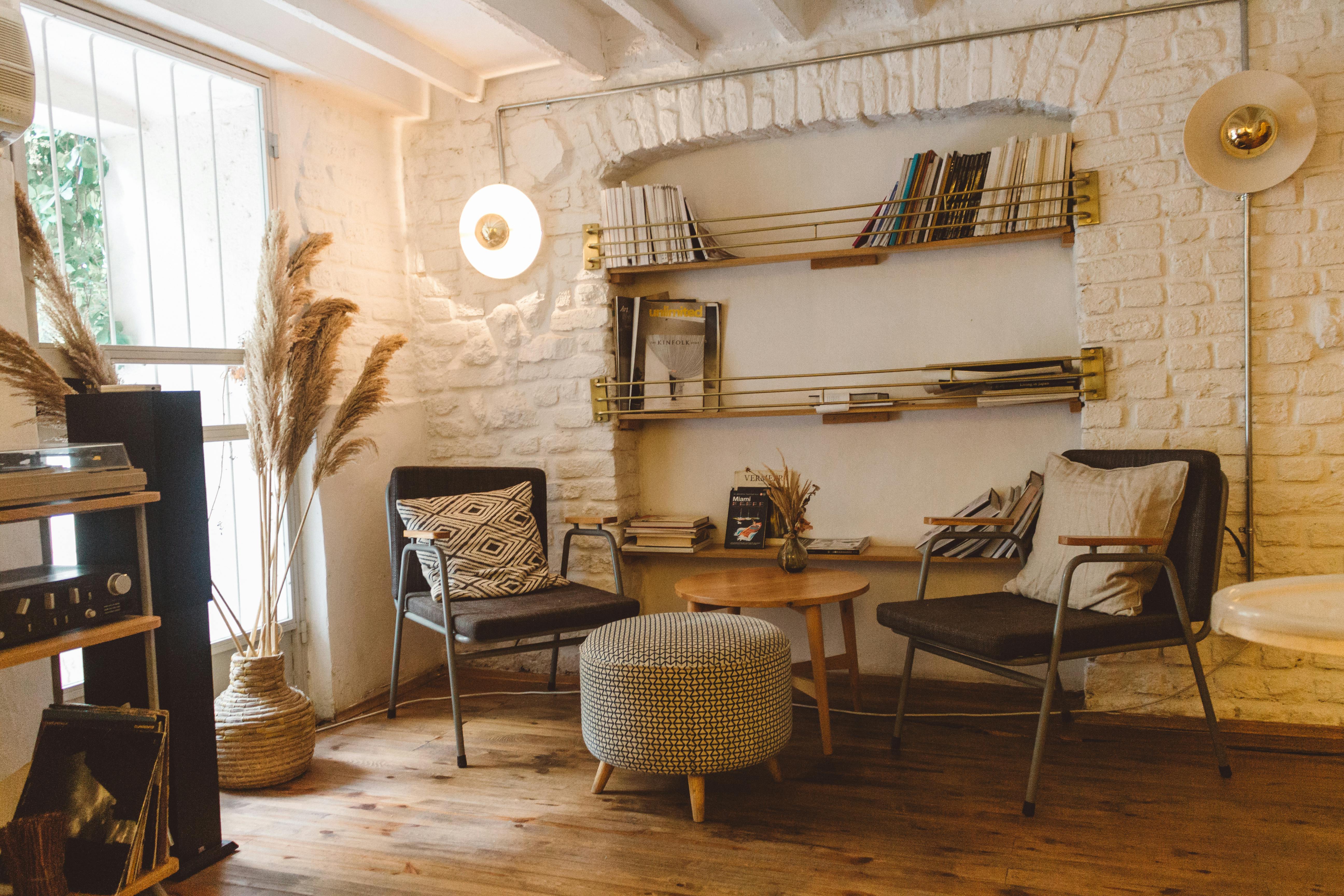
That’s why the best upgrades are often the ones you stop noticing. A warmer room. A tidier entrance. A corner that now serves more than one purpose. A lot of what makes a cosy living room feel inviting rather than cramped comes down to that balance between comfort and ease of use, because a room only really works when people can relax in it without constantly moving things out of the way.
The upgrades that make daily life easier rather than just prettier
If you’re deciding where to spend money or effort, it helps to focus on changes that reduce repeat hassles. For example:
- built-in or stackable storage that clears the floor
- layered lighting for evenings, reading and early starts
- wipe-clean finishes in busy rooms
- hooks, baskets and drawers near the front door
- flexible furniture that can handle guests, work or family time
None of that is especially flashy, but it’s the sort of thing that keeps a home running smoothly on an ordinary Tuesday.
Where comfort, storage and flexibility matter most
The busiest zones usually deserve attention first. Hallways, kitchens and living rooms absorb the most footfall, clutter and noise, so even small improvements there can change the mood of the whole house. A narrow console swapped for shoe storage, or a dining table that doubles as homework space, can do more than a decorative update that only looks good in photos.
Bedrooms matter too, especially when they need to feel restful and adaptable at the same time. Storage under beds, blackout blinds and furniture that leaves enough open floor space can make a room feel settled rather than squeezed.
Which changes help a home adapt over time
Homes work best when they can bend a little as life changes. A spare room might become an office, then a guest room, then something else entirely. A living room might need better zoning so different people can use it without feeling on top of each other.
That’s part of why people looking into Fostering in Essex often think beyond décor and focus on a home that feels steady, welcoming and easy to live in as routines grow and change.
Looking at family rooms that work for adults and children at the same time makes it clear that flexibility is easier to build in early than to patch together once the house already feels stretched.
Thinking about home with future family needs in mind
It’s easy to decorate for the life you have this month. It’s smarter to think about what the home might need next year as well. That doesn’t mean planning every detail. It just means leaving some room for change, whether that’s extra storage, calmer shared spaces or furniture that can move around without causing chaos.
How to make it work in everyday life
The best home changes are the ones that still make sense when laundry is piling up and nobody’s in the mood to admire the paint colour. Start with the spots that frustrate you most, fix what gets used every day, and let the house become easier to live in one sensible change at a time.



Leave a Reply