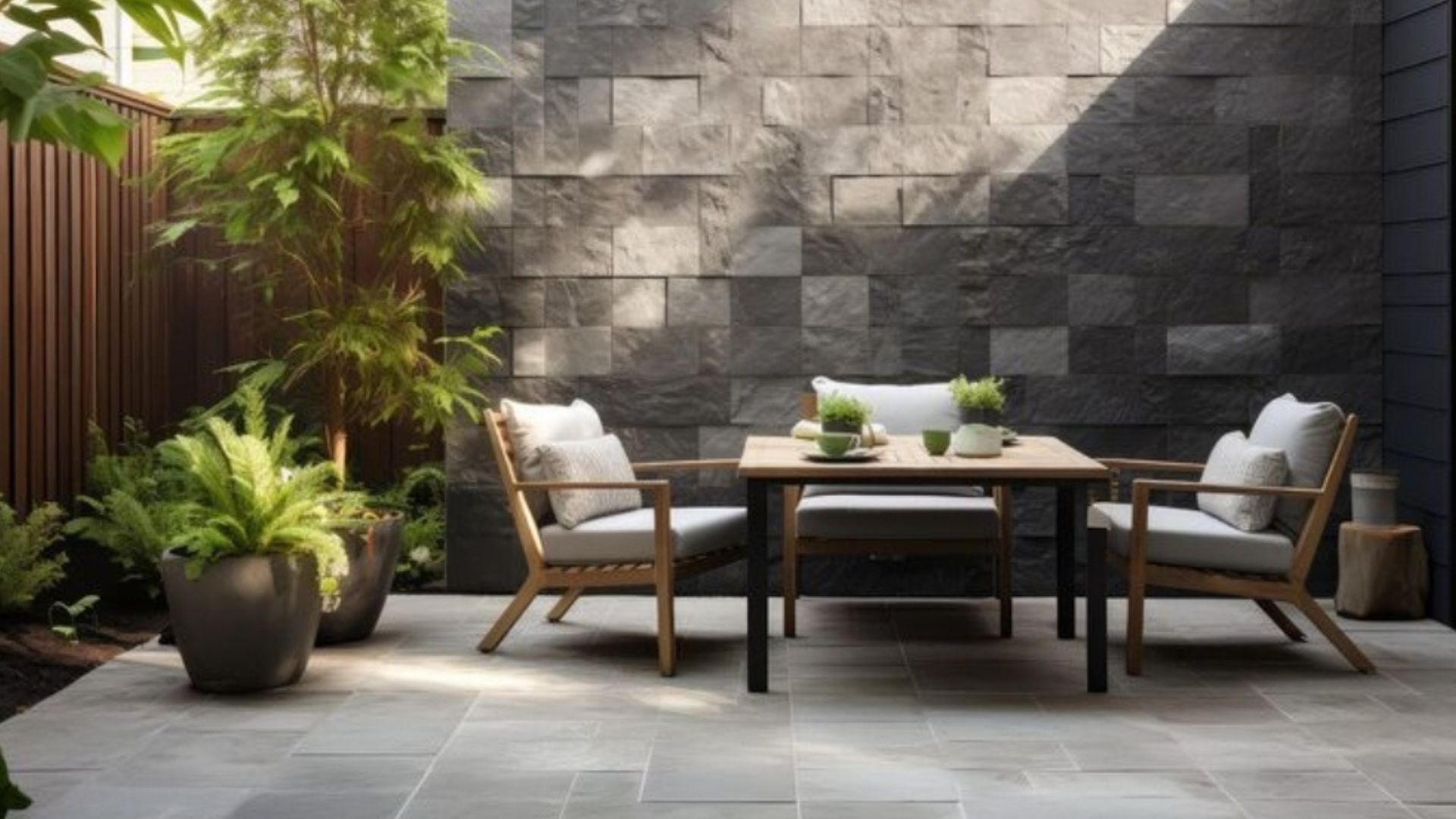
Outdoor living has been a necessary addition to contemporary homes, particularly in rented houses, where the additional space and comfort can be a great boost. The patio is no longer an addition to the interior space; it has become a transition between the interior and exterior, resulting in a harmonious and functional living space. Considerate design decisions, from materials and design to lighting and decoration, are important to this smooth transition. According to San Antonio property management experts, incorporating an indoor design element into an outdoor setting—such as coordinated flooring and a complementary color palette—will enhance the overall aesthetic, thereby increasing the property’s rental value. This interaction between indoor and outdoor spaces will enable properties to create a more spacious and welcoming environment that appeals to contemporary tenants.
Five Crucial Steps to Developing a Smooth Transition between Indoors and Outdoors

- Have Visual Continuity through Flooring and Materials
Managers at the San Jose property management advise using consistent or complementary flooring materials in indoor and outdoor environments—this will increase the property’s overall rental price by creating a visually unified space.
When the same textures, tones, or finishes are used in both spaces, this helps remove the visual barrier between the interior and exterior spaces. As a case in point, continuing the indoor wood-like tiles and neutral stone finishes onto the patio would create a seamless transition.
Material continuity is also helpful in the perception of space. When the eye follows the continuous movement without any disruption, either indoors or outdoors, the whole area seems larger and more unified. This is especially effective with rental properties, where perceived space can be greatly enhanced to increase attractiveness.
Did you know?
The rental market in San Jose is one of the most expensive in the U.S., with the average monthly rent exceeding $2,800.
- Co-ordinated Color Palettes to Co-ordinate
Color is crucial in relating to interior and exterior practices. It is best to choose a single palette that extends into both spaces to achieve a harmonious, balanced design.
Neutral colors like beige, gray, or light white can serve as a flexible background, while subtle accent colors can be added to furniture, cushions, or other decorative elements. This continuity creates a sense of connection between the two regions.
The coordinated colors also contribute to the overall atmosphere, and the transition is not that sudden. An intelligently designed palette also adds to the sophisticated, welcoming ambiance.
- Incorporate Flexible Furniture and Layouts
The choice of furniture and its arrangement are the most important in gaining a smooth transition. Selecting items that can be used both indoors and outdoors can create a sense of unity in living.
The solution for the two spaces is to create weather-resistant furniture with an indoor style. Flexibility comes from modular seating, foldable tables, and flexible layouts, ensuring the seating and tables can be used in a variety of ways and for a wide range of purposes.
Placing the furniture to replicate the arrangements inside the home only enhances the bond. An example is the correlation between outdoor seating and the indoor living space, so that the interior space seems to be a natural extension of the exterior space.
Did you know?
The rental market in San Antonio is more accessible than in other major cities, and average rents are around $1,300- $ 1,500 per month.
- Improve Lighting to Create Continuity and Ambiance
Lighting plays a vital role in ensuring overall consistency in the ambiance both indoors and outdoors. The ambient, task, and accent lighting will make sure that both spaces are connected, even after sunset.
The soft, warm lighting creates a welcoming atmosphere, while the strategically placed lighting highlights pathways, seating areas, and architectural features. Wall-mounted fixtures, lanterns, and string lights may provide both functionality and aesthetics.
The similarity of lighting styles and tones contributes to unifying the spaces, so the transition is not noticeable at any time of day.
- Incorporate Natural Elements For a Balanced Environment
The use of natural features such as plants, wood accents, and water features enhances the connection between indoor and outdoor spaces. These are the factors that make the environment look harmonious and give it a refreshing, organic touch.
Plants placed indoors that extend outdoors can visually connect the two spaces, and natural materials like wood or stone support continuity. Again, the greenery adds texture and depth to the space, making it feel more alive and inviting.
The combination of natural elements and design will make the transition seem seamless and blend functionality with aesthetics.
End Point
To establish a smooth flow between indoors and outdoors, it is essential to carefully design the material palette, color scheme, furniture, lighting, and natural elements. Through visual continuity and the creation of complementary spaces, patios can be extensions of interior living spaces. These improvements in the competitive rental market make the property highly attractive, offering tenants a unified and diverse setting that supports not only comfort but also modernity.




Leave a Reply