A single molar implant can run $3,000 to $5,000 in the Omaha metro, and that number stops most people cold. So they stall. The tooth cracks, the dentist says it has to come out, and three names land on the table: implant, bridge, and partial. Each one fills the gap, yet none fills it the same way, and the cheapest quote today is rarely the cheapest tooth ten years out. For a failed back molar, the dental implant la vista ne patients pick most often anchors into the jawbone itself, which is why it outlasts the other two. This guide lines the three up so a household can see why an implant usually wins the long game.
Three Replacement Options Solve One Failed Molar
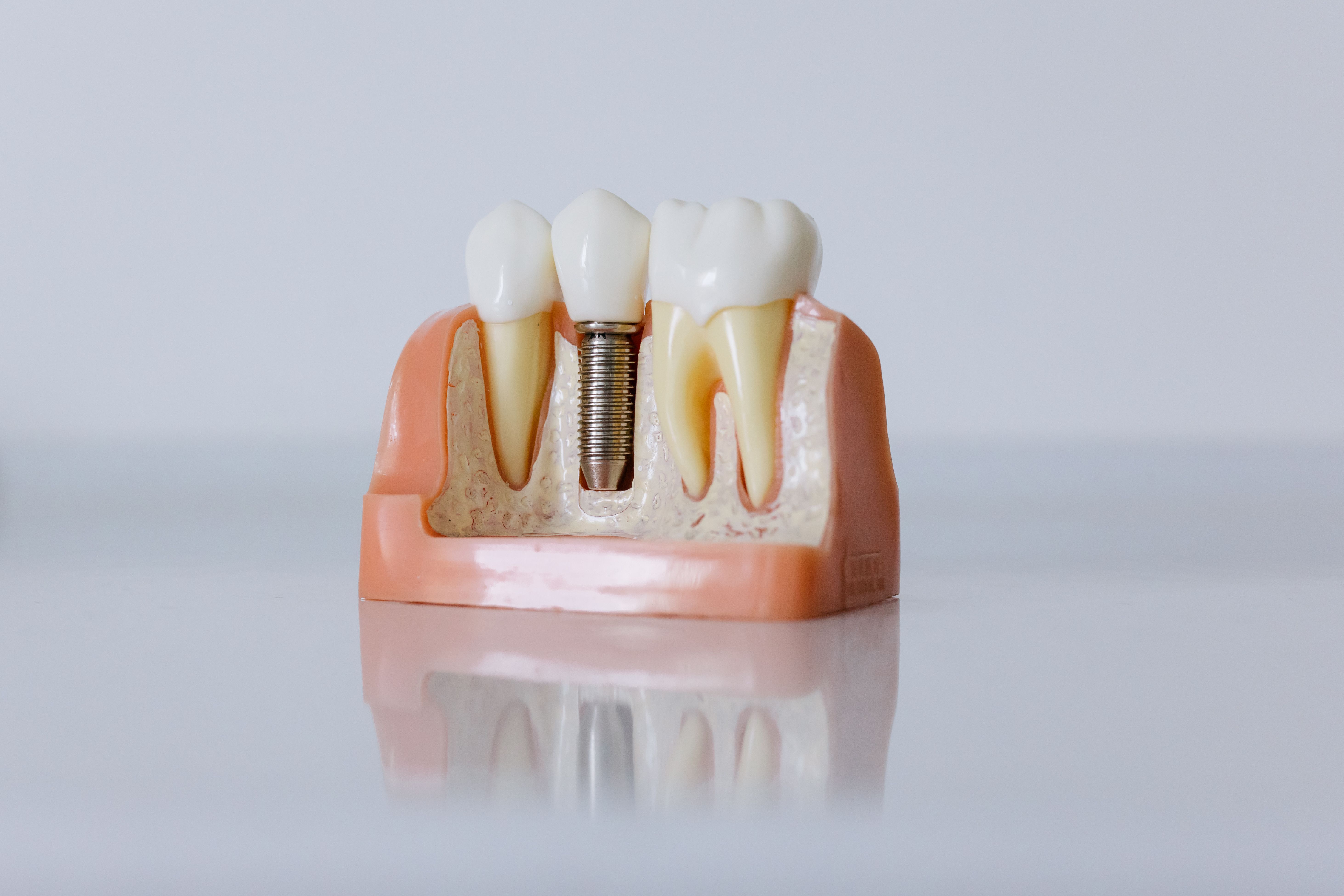
An implant is a titanium post set in the bone with a crown on top, standing alone and touching nothing beside it. A bridge caps the two neighboring teeth and hangs a fake one between them, while a partial clips onto nearby teeth and lifts out at night. Demand keeps climbing; American Dental Association Health Policy Institute data showed consumer dental spending up about 4% year over year as of January 2026. The case we see most often is one molar cracked past saving with both neighbors still healthy, and that detail changes the math.
Bridges Trade Neighboring Teeth For Speed
A bridge is fast. Crown the two teeth on either side, seat the bridge, and the gap closes in a couple of visits. The catch is real: to hold that bridge, a dentist grinds down two healthy teeth, and lost enamel never grows back. Ten years ago a bridge was the default for a single molar, because implants ran expensive and slow. Today the trade reads worse, since you spend two sound teeth to save one, and a failed bridge later puts three teeth in play.
Partials Cost Less But Move Around
A partial is the budget answer, and sometimes the right call. It costs the least up front and needs no surgery. It also moves. A clasp-on partial shifts while you chew, traps food, and most people pull it out for anything sticky. Most adults are not losing teeth wholesale anyway; working-age adults keep about 26 of their 32 teeth on average, according to the NIDCR, with only around 2% fully edentulous. A removable piece built for widespread loss is more tooth than a single gap needs, and a dental implant la vista ne dentist will usually say the same.
Implants Cost More And Last Longest
The implant costs the most on day one and the least per year you keep it. Run the numbers on a single tooth. Say the post, abutment, and crown come to $4,200. A typical plan caps at a $1,500 annual maximum and covers about half the eligible portion, so it chips in roughly $750 before it taps out. That leaves about $3,450 out of pocket this year. Spread across a 20-year lifespan the tooth lands near $170 a year, and titanium routinely outlasts that.
An implant is the only one of the three that puts a root back into the bone, so the jaw holds its shape instead of caving in where the tooth used to sit (and yes, your face notices that over the years). Bone doesn’t wait around, and a gap left open lets the neighbors tilt in within months. Ask the provider to pull up the 3D scan and show you where the post will sit.
Ask These Questions Before You Decide
Cost is only half the decision; the rest is who does the work. Decay is common and it is not slowing down. A 2025 study covered by STAT News projected 25.4 million additional decayed teeth in US children over five years if fluoride were pulled from public water, a blunt reminder that problems compound when prevention slips. Before you sign anything, put a few plain questions to the office.
- How many implants have you placed in the last year? A good answer names a specific number, not just plenty.
- Do you plan the placement with 3D imaging done in house? You want a clear yes, with the scan shown to you.
- What happens if the implant fails to integrate? A straight answer covers who pays for the redo and how often it happens.
- Are the post, abutment, and crown all included in this quote? A good quote itemizes all three so nothing surprises you later.
The Cheapest Option Is Rarely The Long Game
Line the three up and the pattern is hard to miss. A partial saves money today and moves around tomorrow. An implant asks for more at the counter and, for a single failed molar with sound neighbors, usually pays it back in years of service and a jaw that keeps its shape. Price the tooth across its whole life, not just the quote sitting in front of you.



Leave a Reply