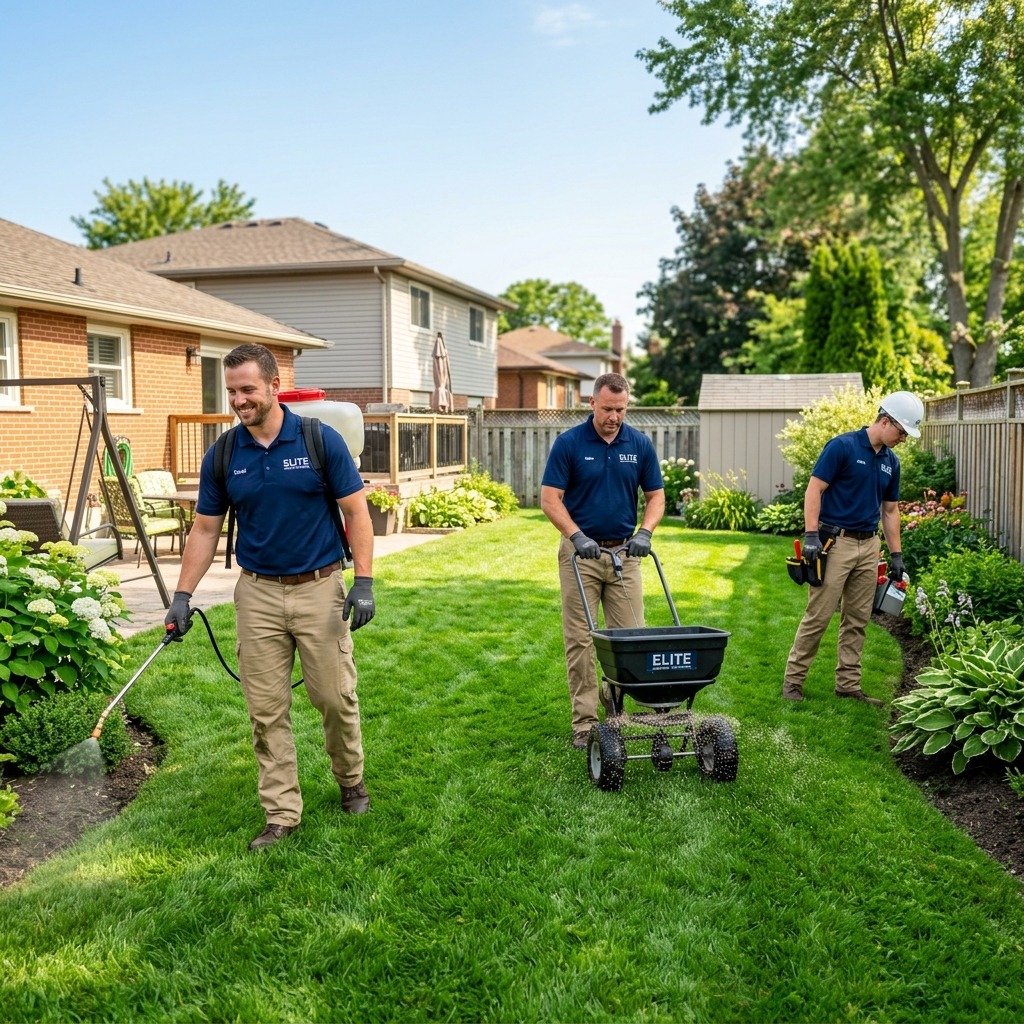
Pests don’t wait for a convenient time to show up. One week your lawn looks pristine, and the next, you’re noticing chewed roots, tunneling damage, or patches of yellowing grass that weren’t there before. It’s a frustrating cycle—and one that gets harder to break the longer it goes unaddressed.
The truth is, pest damage rarely stays contained. What starts as a minor nuisance beneath the surface can quietly devastate an entire lawn before most homeowners even realize something’s wrong. That’s why professional pest control isn’t just a reactive measure—it’s one of the smartest decisions a homeowner can make for the long-term health of their property.
Why Pests Are More Destructive Than They Look
Most lawn pests do their worst work out of sight. Grubs, for example, feed on grass roots just below the soil surface. By the time patches of turf start peeling back like a carpet, the root system is already compromised. Similarly, chinch bugs drain moisture from individual grass blades, leaving behind brown, drought-like damage that’s often mistaken for simple heat stress.
The deceptive nature of pest damage is exactly what makes it so costly when left untreated. Homeowners spend time and money treating symptoms—watering more, applying fertilizer—without ever addressing the actual source of the problem. Meanwhile, the pest population continues to grow.
What Professional Pest Control Actually Does Differently
There’s a significant gap between off-the-shelf pest products and professional-grade treatment. Over-the-counter solutions tend to target surface-level activity, offering temporary relief without addressing the broader infestation. Professional pest control services, on the other hand, take a comprehensive approach—one that accounts for pest lifecycles, soil conditions, and seasonal behavior patterns.
Here’s what sets professional service apart:
- Accurate identification: Treating the wrong pest wastes time and money. Professionals identify the exact species causing damage and apply the appropriate treatment.
- Targeted application: Products are applied at the right concentration, in the right areas, and at the right time of year to maximize effectiveness.
- Preventive treatments: Rather than waiting for visible damage, professional programs include preventive applications that stop pest populations before they establish.
- Ongoing monitoring: A one-time treatment rarely solves the problem permanently. Professional services provide scheduled follow-ups to ensure the lawn stays protected across every season.
The Seasonal Reality of Lawn Pests
Pest pressure changes throughout the year, and understanding these seasonal patterns is key to staying ahead. Grub activity typically peaks in late summer when larvae are young and feeding aggressively near the soil surface—making late July through September the critical treatment window. Japanese beetles emerge in summer and cause double the damage: adults skeletonize plant leaves above ground while their larvae attack roots below.
Spring brings its own challenges. Sod webworms and billbugs become active as temperatures rise, and without a preventive plan already in place, homeowners are left playing catch-up through the warmest months of the year.
This seasonal complexity is one of the strongest arguments for a year-round professional pest management program rather than sporadic, reactive treatments.
Protecting Your Lawn From the Inside Out
Healthy grass is naturally more resistant to pest damage. Dense, well-rooted turf is harder for pests to establish in and recovers more quickly when infestations do occur. This is why professional pest control works best when paired with a broader lawn care program—one that includes proper fertilization, aeration, and overseeding to keep the turf thick and resilient.
Pest Control services that combine targeted treatments with long-term lawn health strategies give homeowners the strongest possible defense against recurring infestations, protecting the investment they’ve already made in their property’s appearance and value.
When your lawn is being actively maintained and protected at the same time, pest populations have far fewer opportunities to take hold—and far less damage to work with when they try.
Signs You Shouldn’t Ignore
Not sure whether you’re dealing with pest damage or something else? A few clear warning signs point to an active infestation:
- Irregular brown patches that don’t respond to watering
- Spongy turf that feels soft underfoot or pulls up easily
- Increased bird activity on the lawn (birds feeding on subsurface grubs)
- Visible insects on grass blades during early morning or evening
- Ragged or chewed leaf edges on surrounding plants
Any one of these signs warrants a closer look. Multiple signs together indicate it’s time to call in professional help without delay.
Why Waiting Costs More in the Long Run
Delaying pest treatment is rarely a cost-saving decision. The longer an infestation is left unaddressed, the more extensive the damage—and the more expensive the recovery. Severe grub infestations, for instance, can require complete lawn renovation, including dethatching, seeding, and months of recovery time.
By contrast, early-stage treatments are typically less intensive, more effective, and far more affordable. Catching the problem before it spreads means less product is needed, less lawn is damaged, and recovery is faster.
Professional pest control services are structured precisely to catch problems early—before they escalate into the kind of damage that demands a complete restart.
A Greener, Healthier Lawn Is Within Reach
There’s genuine satisfaction in a lawn that looks full, green, and well-maintained. Achieving that consistently requires more than mowing and watering—it requires keeping the threats beneath the surface under control. Pests are among the most common reasons lawns fail to reach their potential, and they’re also among the most preventable with the right support in place.
Professional pest control transforms a reactive problem into a managed, predictable aspect of routine lawn care. With the right team monitoring and protecting your lawn through each season, the results speak for themselves—season after season.
Frequently Asked Questions
How do I know if my lawn has a pest problem?
Common signs include irregular brown patches, spongy turf, increased bird activity on the lawn, and grass that pulls up easily from the roots. If you notice any of these, a professional inspection is recommended.
When is the best time to treat for lawn pests?
Timing depends on the pest. Grubs are most effectively treated in late summer when larvae are young. Preventive treatments applied in spring can reduce overall pest pressure throughout the season.
Is professional pest control safe for kids and pets?
Most professional treatments are formulated to be safe once dry. Your service provider will give specific instructions on re-entry times based on the products used.
How often should pest control treatments be applied?
Most lawns benefit from a seasonal pest management program with multiple applications throughout the year. The exact frequency depends on the level of pest pressure and the specific pests being targeted.
Can pests come back after treatment?
Yes, reinfestation is possible without ongoing monitoring. A year-round maintenance program is the most reliable way to prevent pests from re-establishing after initial treatment.




Leave a Reply