Agriculture remains the core lifeblood of global food production and economic stability. However, the landscape of the modern farm has evolved dramatically in recent years. Driven by rapid technological advancements, today’s agricultural producers must find innovative ways to increase yields, improve crop quality, and reduce waste, all while operating under tighter margins and navigating unpredictable climate conditions.
Achieving this high level of operational efficiency requires moving away from pure manual labor and investing in a highly optimized fleet of tools and machinery. From preparing the soil to preserving the final harvest, having the right equipment makes all the difference. Below are the must-have pieces of equipment that every successful modern farm needs to thrive.
1. Tractors: The Backbone of Daily Operations
No piece of machinery is more iconic or multi-functional than the tractor. Serving as the ultimate workhorse of modern farming, a tractor provides the primary power needed to pull, push, and operate a diverse range of specialized implements.
Farms typically utilize different configurations depending on their layout and unique requirements:
- Compact Tractors: Ideal for light pulling, clearing paths, and navigating tight spaces in orchards or small homesteads.
- Utility Tractors: Larger, higher-powered models designed to comfortably handle heavy-duty tasks such as plowing, planting, and material transport.
Modern utility models often feature advanced integration like GPS guidance and automated steering systems, which maximize spatial accuracy and reduce operator fatigue during long shifts in the field.
2. Soil Preparation and Precision Planting Tools
A successful harvest begins long before the first seed sprouts. Preparing a proper seedbed is critical for ensuring good seed-to-soil contact, which directly dictates germination rates and plant root development.
Plows break up dense earth and bury leftover crop residues, while cultivators and disk harrows refine and level the surface. Once the field is prepped, farmers rely on precision planters and seed drills. Rather than scattering seed manually, these advanced machines plant seeds at consistent depths and perfectly calibrated intervals. High-tier row planters even utilize variable-rate application (VRA) technology, adjusting seeding density on the fly based on real-time soil data to conserve resources and boost final yields.
3. Advanced Harvesting and Storage Systems
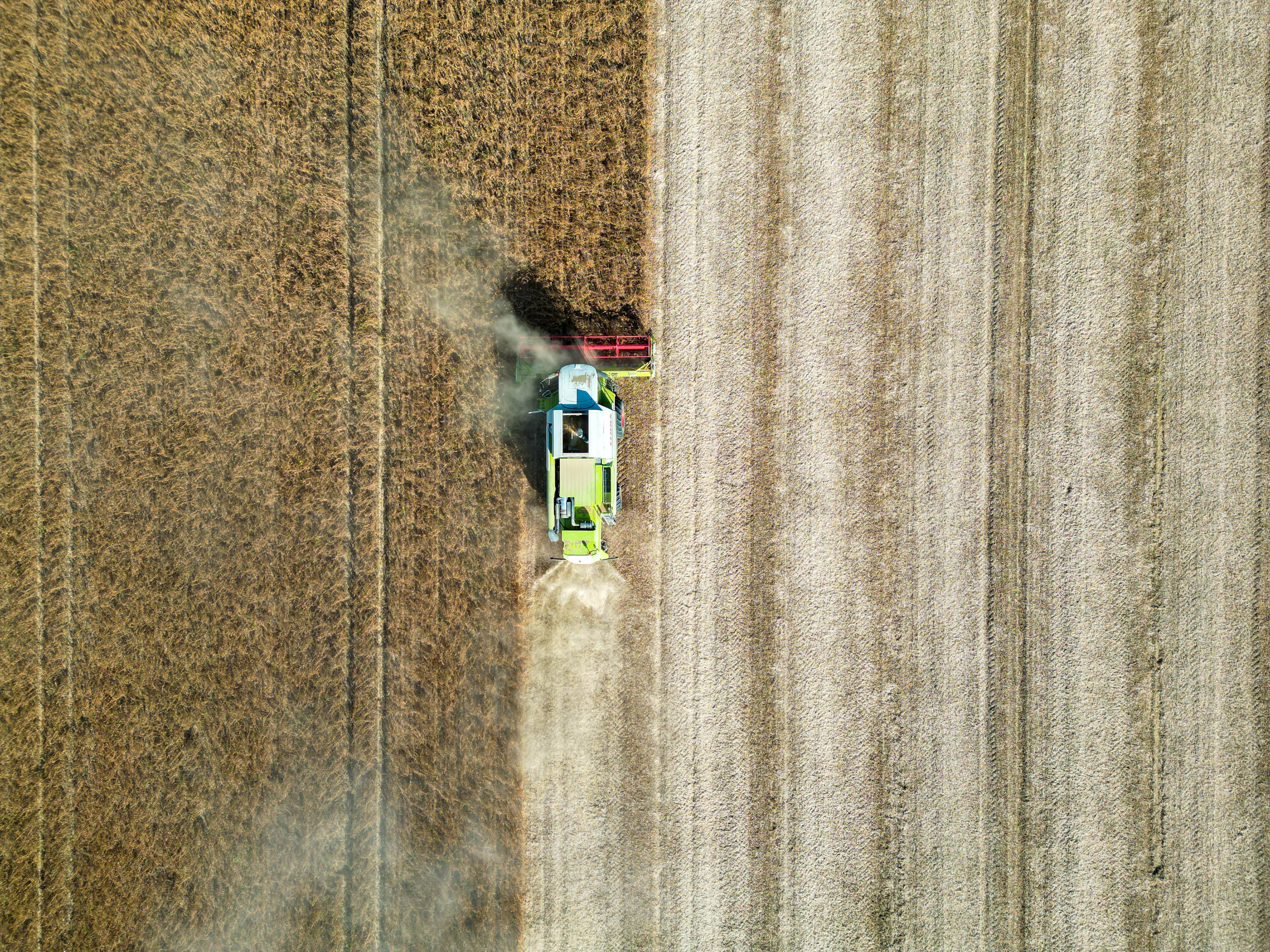
When the harvesting window arrives, speed and minimizing crop damage are paramount. Delays can instantly result in ruined crops and lost profits. Combine harvesters streamline the process for grain farmers by seamlessly cutting, threshing, and cleaning crops like wheat and corn in a single pass. For livestock operations, forage harvesters chop silage efficiently to prepare nutritious winter feed.
Once gathered, crops must be safely handled and preserved to protect their quality. Heavy equipment like wheel loaders equipped with bale spears or forks move massive yields effortlessly. From there, grain bins, silos, and climate-controlled cold storage units protect the inventory from pests and spoilage until it reaches the market.
4. Smart Tech, Water Management, and Custom Engineering
Modern efficiency relies just as much on smart infrastructure as it does on massive horsepower. Efficient irrigation systems—including automated center-pivots and localized drip systems—ensure optimal hydration with minimal environmental waste. Producers also integrate real-time soil sensors, automated weather monitors, and unmanned aerial vehicles (UAVs) to diagnose field health and pest problems instantly.
To maintain this advanced technological ecosystem, farmers must ensure their machinery remains durable and perfectly customized. Many top-tier implement brands partner with precision manufacturing services to develop high-strength steel brackets, specialized components, and CNC-machined pulley systems designed to withstand the brutal daily friction of heavy-duty field work.
Conclusion
Building a resilient, sustainable farm is an ongoing process of balancing time-tested traditions with smart modernization. Investing in durable, high-performing machinery, executing strict maintenance plans, and leveraging precision data allow today’s agricultural businesses to optimize their workflows, lower overall labor costs, and protect their bottom line season after season.




Leave a Reply