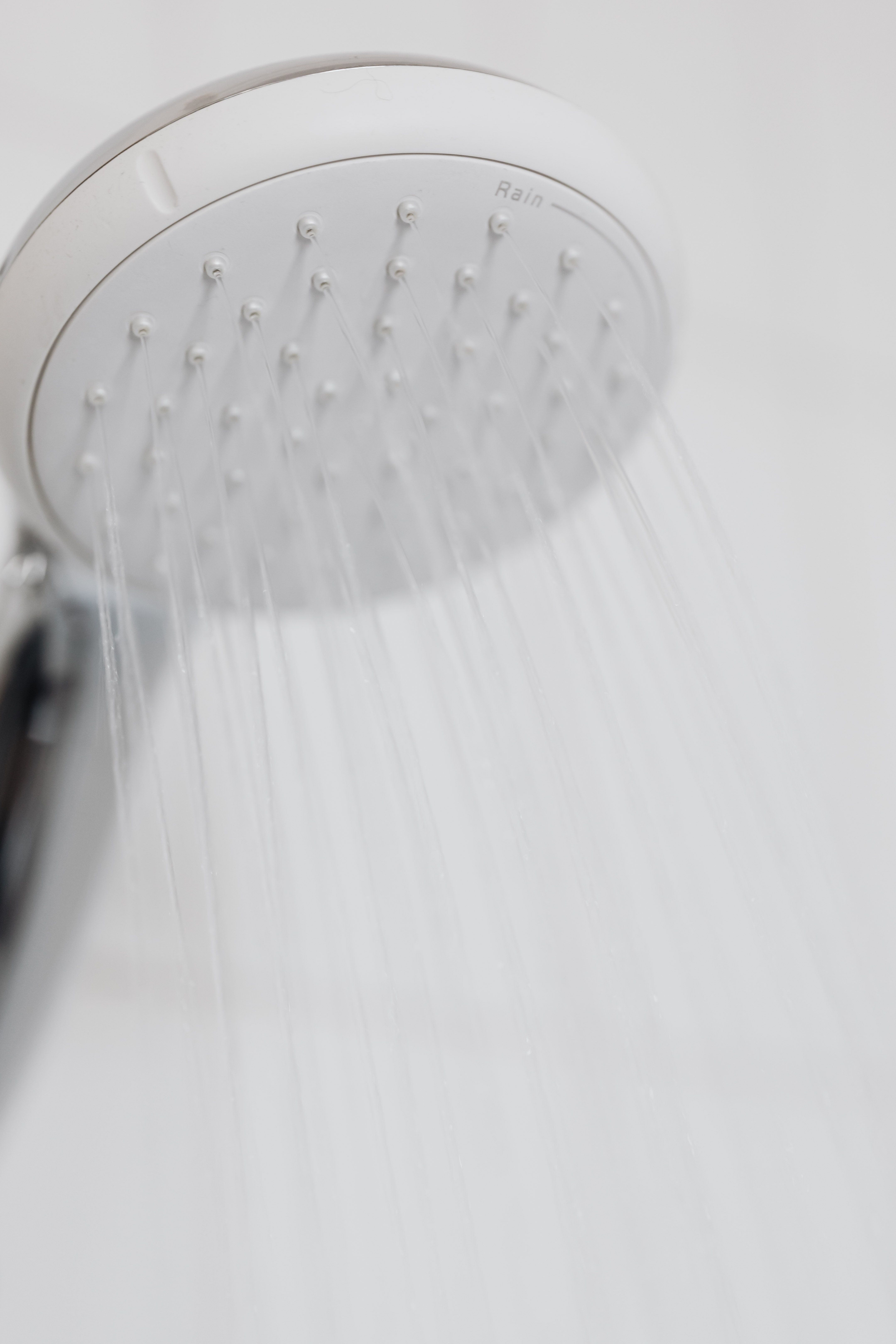
Most of us spend plenty of time thinking about what we put on our skin and hair. We compare shampoos, invest in moisturizers, and search for products that promise better hydration, less irritation, or healthier-looking hair. Yet there is another part of the daily routine that often receives far less attention: the water coming out of the shower.
Shower water may look perfectly clean, but its composition varies considerably depending on where you live, how the local water supply is treated, and even the plumbing inside your home. Minerals, chlorine, and sediment can all influence the way water interacts with your skin, hair, and bathroom.
Understanding what is actually flowing through your shower could therefore help explain a few everyday problems you may previously have blamed on something else.
Your Water Isn’t Necessarily the Same Everywhere
Water quality can vary considerably between regions and even between neighboring properties. One of the biggest differences is water hardness.
Hard water contains higher concentrations of dissolved minerals, particularly calcium and magnesium. These minerals are not necessarily a health concern, but they can leave noticeable deposits behind. If you regularly find chalky marks around taps, shower screens, or showerheads, hard water may be responsible.
Municipal water supplies may also be treated with disinfectants such as chlorine. This treatment serves an important purpose in maintaining safe public water supplies, but some people find that heavily treated water feels less pleasant on their skin or hair.
Your Skin Comes into Direct Contact with It Every Day
Think about how much water passes over your skin during a ten-minute shower. Unlike drinking water, which you consume in relatively small amounts throughout the day, shower water comes into direct contact with a large surface area of your body.
For some people, this can contribute to that familiar tight or dry feeling after stepping out of the shower. Hot water can make the issue more noticeable because long, hot showers can strip away some of the skin’s natural oils.
It is easy to respond by buying richer moisturizers or changing body washes. Those things can certainly help, but it can also be worth considering whether the water itself is contributing to the problem.
Your Hair Might Be Giving You Clues
Hair is another area where water quality can become noticeable.
Mineral deposits can accumulate on the hair over time, potentially leaving it feeling dull, rough, or difficult to manage. Meanwhile, chlorine and sediment in everyday shower water may affect how hair feels after repeated washing.
This can create a frustrating cycle. You might switch shampoo, add another conditioner, or invest in treatments, yet still struggle to achieve the results you want.
Looking at your water adds another piece to the puzzle. Aquabliss provides shower filters that can be incorporated into an existing shower setup to address aspects of the water reaching your skin and hair.
It is worth remembering that filtration and water softening are not necessarily the same thing. Understanding the particular characteristics of your water can help you choose an appropriate solution rather than assuming every water-related problem has the same cause.
Small Changes Can Improve the Shower Experience
Improving your shower routine doesn’t necessarily require completely redesigning your plumbing.
Using lukewarm rather than extremely hot water can be gentler on the skin. Choosing mild cleansers and applying moisturizer soon after showering can also help maintain hydration. If mineral buildup is affecting your hair, occasional clarifying products may help remove accumulated residue.
Filtration can be another consideration where aspects of water quality are affecting your shower experience. Filters also require ongoing maintenance, including replacing cartridges according to the manufacturer’s recommendations.
The important point is to identify the problem before choosing the solution. Hard water, chlorine, and sediment are different issues and may require different approaches.
Look Beyond the Products on Your Shelf
When skin feels uncomfortable, or hair refuses to cooperate, the instinctive response is often to buy another product. Sometimes that is exactly what is needed. Other times, however, the problem may begin before your shampoo, conditioner, or cleanser has even been opened.
The water flowing through your shower is part of your personal care routine whether you think about it or not.
Paying closer attention to its quality can give you a better understanding of how your skin and hair behave, while potentially helping you make more informed decisions about everything from shower temperature to filtration.
Sometimes improving a routine isn’t about adding another bottle to the bathroom shelf. It’s about reconsidering something that has been there all along.




Leave a Reply