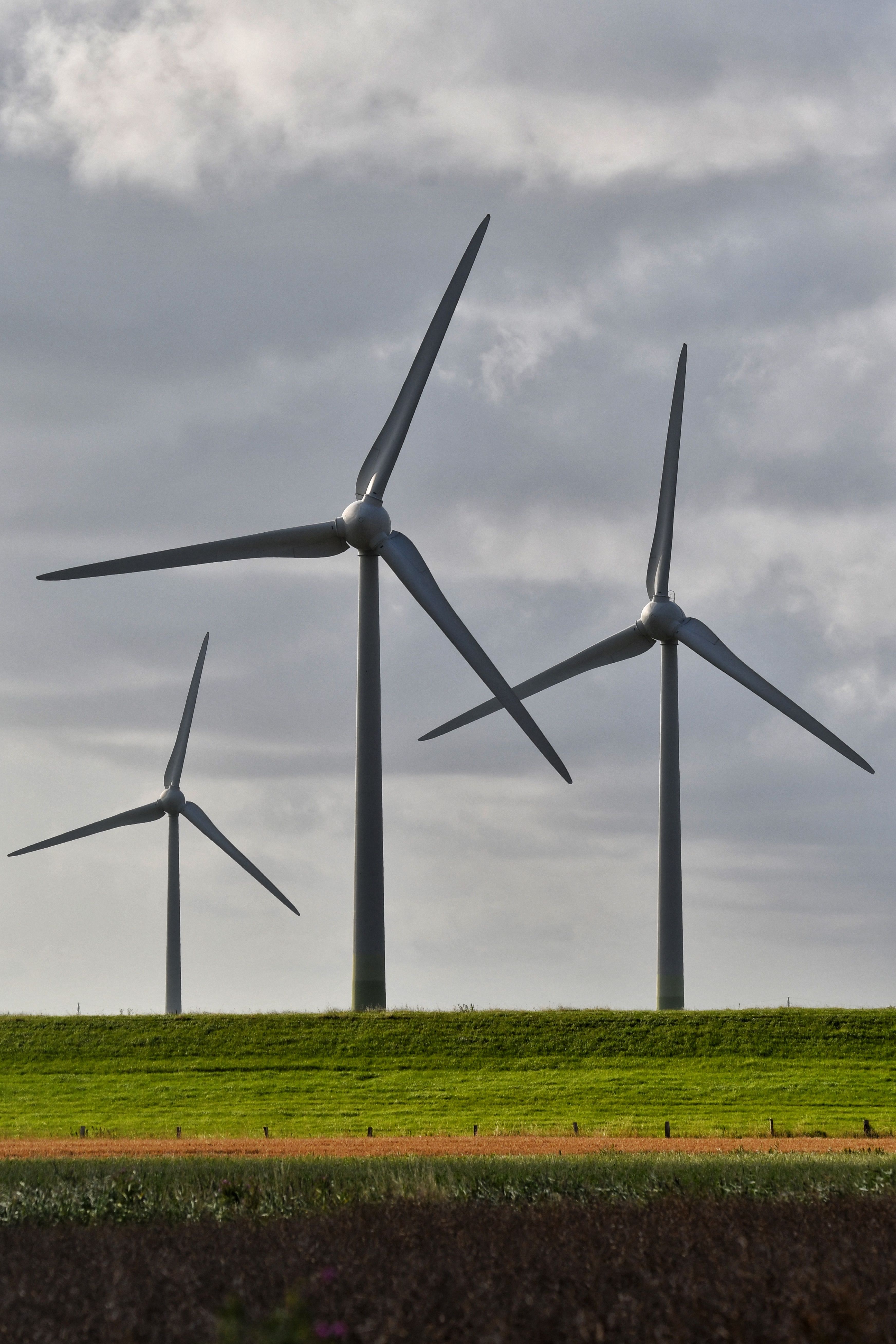
The domestic content bonus is the quiet workhorse of the Inflation Reduction Act. It gets less attention than the base credit rates or the transferability provisions, but for wind and solar producers claiming the production tax credit, it’s often the single largest incremental value driver on the project. A 10 percent bump on a per-kilowatt-hour credit doesn’t sound like much until you run the ten-year math on a utility-scale wind farm.
Then it’s tens of millions of dollars.
What most developers underestimate isn’t the size of the prize. It’s the specificity of the qualification test, the depth of the documentation burden, and the sourcing decisions that need to be locked in years before the project generates its first kilowatt-hour. The domestic content bonus rewards operators who treated procurement as a strategic function from day one. It punishes those who treated it as a cost minimization exercise.
Here’s how the mechanics actually work.
What the Bonus Actually Adds
For projects claiming the production tax credit, meeting the domestic content requirements adds 10 percent to the per-kilowatt-hour credit rate for the full ten-year production window.
The math translates roughly like this:
| Project Type | Base PTC Rate (with PWA) | With Domestic Content | Incremental Value on 200 MW / 700 GWh Annual |
| Wind | ~2.75¢/kWh | ~3.03¢/kWh | ~$1.9M per year, ~$19M over 10 years |
| Solar (PTC-elected) | ~2.75¢/kWh | ~3.03¢/kWh | ~$1.9M per year, ~$19M over 10 years |
These are 2026 approximate values adjusted for inflation from the statutory base. The point isn’t the exact number. The point is that the domestic content bonus stacks compounding value across the entire production window, not just at placed-in-service.
The Two-Part Qualification Test
The bonus requires meeting two separate thresholds simultaneously.
Steel and iron requirement. All steel and iron used in the project must be produced in the United States. This is an absolute test, not a percentage test. A single imported steel component in a qualifying category disqualifies the project.
Manufactured products threshold. A specified percentage of the total cost of manufactured products in the project must be attributable to domestic manufacturing. The threshold for solar and wind projects placed in service in 2026 sits at 45 percent for solar and follows the same schedule for wind, increasing on a defined ramp:
- 2024: 40 percent
- 2025: 45 percent
- 2026: 45 percent
- 2027 and beyond: 55 percent
Both tests are evaluated as of the placed-in-service date. The steel and iron rule doesn’t tolerate substitution. The manufactured products percentage is calculated against actual components installed, not planned or contracted.
Where Wind and Solar Diverge
The two technologies present different sourcing dynamics.
Wind projects. Steel and iron components (towers, nacelle housings, structural framing) are broadly available from domestic producers. The manufactured products test is where wind projects typically face challenges, particularly around permanent magnets for direct-drive generators, gearbox internals, and specific electronic control systems. Rare earth magnet supply chains remain concentrated overseas, and the cost weighting of those components can push a project below the 45 percent threshold if not managed carefully.
Solar projects: The steel and iron test is generally straightforward for racking, mounting structures, and support hardware, most of which is now widely available domestically. The manufactured products test is where solar faces its steepest climb. Modules, cells, wafers, and inverters carry heavy cost weightings, and the domestic manufacturing base for these components is still expanding. Projects that don’t lock in domestic module sourcing early often find themselves short of the threshold by 5 to 10 percentage points.
For both technologies, the sourcing decisions that determine bonus eligibility are made 18 to 30 months before placed-in-service. Late-stage procurement changes rarely fix a shortfall.
The Documentation Burden That Actually Matters
Claiming the domestic content bonus on the production tax credit requires substantiating the qualification against IRS scrutiny for the full ten-year production window plus the standard examination lookback.
The audit file needs to include:
- Bills of materials for every qualifying component
- Country-of-origin certifications from each supplier
- Cost breakdowns supporting the manufactured products calculation
- Steel and iron origin documentation for all applicable components
- Independent verification for high-cost or high-risk components
- Transfer election documentation if credits are being transferred under Section 6418
The IRS Notice 2024-41 provided a safe harbor election that lets developers use assumed cost percentages for certain component categories instead of computing actual costs. The safe harbor is useful but has strict eligibility requirements and specific documentation obligations that need to be met precisely.
Independent verification on high-risk components typically runs $50,000 to $150,000 per component category. That cost protects credit value worth multiples of that figure, so the economics generally favor rigorous verification for anything material.
FEOC Compliance And Sourcing Overlap
The domestic content bonus can’t be evaluated in isolation from FEOC restrictions. A component that meets the domestic manufacturing test but traces upstream ownership to a covered-nation entity can still disqualify the bonus claim.
This creates a two-layer sourcing analysis:
- Is the component manufactured domestically in a qualifying way?
- Does the supplier’s ownership structure clear FEOC thresholds?
Both tests must pass simultaneously for the bonus to hold. Sponsors who focused only on the domestic manufacturing test in 2023 and 2024 have occasionally discovered FEOC compliance gaps in 2025 diligence that unwound the entire adder claim.
Conclusion
For developers currently structuring wind or solar projects targeting the production tax credit, three actions deserve immediate attention.
Lock in domestic sourcing decisions during permitting, not during EPC negotiation. The lead times on qualifying components (particularly rare earth magnets for wind and premium domestic modules for solar) run 12 to 24 months.
Build the compliance file during construction. Bills of materials, supplier certifications, and cost documentation need to be tagged and indexed continuously, not reconstructed at credit-claim time.
Model the bonus conservatively in your project economics. The domestic content threshold is rising over time, and marginal projects that qualify in 2026 may not qualify in 2028 under the higher threshold. Underwrite the credit stack against the year of placed-in-service, not against current-year rules.
The domestic content bonus is one of the highest-return compliance investments available in the current credit stack. For a deeper look at how the production tax credit itself works and how it interacts with other IRA provisions, this walkthrough of the Section 45 production tax credit covers the underlying mechanics in detail.
The bonus rewards operators who treated procurement strategically. The projects collecting the full value in 2026 are the ones that made sourcing decisions three years earlier with this outcome in mind.




Leave a Reply