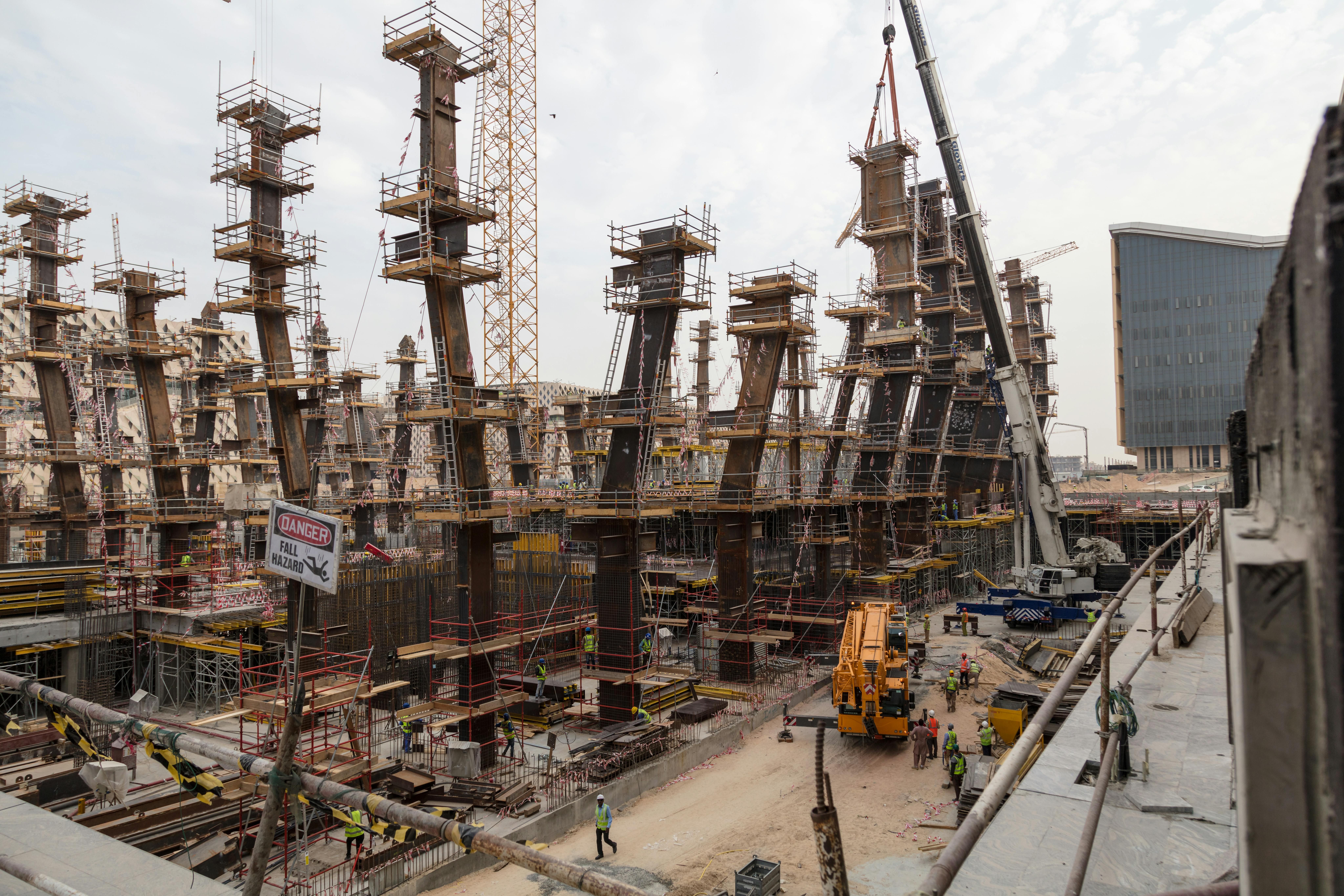
The construction industry stands at a pivotal crossroads where traditional methods meet cutting-edge innovation. Digital tools, real-time data systems, and automated processes are fundamentally altering how projects move from concept to completion. These technological shifts promise measurable gains in efficiency, safety, and collaboration across every phase of development. Yet adoption remains uneven, and many firms still grapple with integration challenges. Understanding which technologies deliver genuine value, and how to implement them effectively, separates industry leaders from those struggling to keep pace.
How Digital Transformation Is Reshaping Modern Construction
As construction sites across the globe integrate advanced technologies into their daily operations, the industry is experiencing its most significant transformation in decades. Building Information Modeling (BIM) enables teams to create detailed 3D models, reducing errors and improving collaboration before breaking ground.
Drones conduct site surveys in hours rather than days, providing real-time data for project managers. IoT sensors monitor equipment performance and worker safety, preventing costly downtime and accidents. Cloud-based platforms connect stakeholders instantly, eliminating communication delays that traditionally plagued projects.
Artificial intelligence analyzes vast datasets to optimize scheduling and resource allocation. This digital shift increases productivity by 30-45% while reducing project timelines and costs. Companies embracing these technologies gain competitive advantages, while those resisting face obsolescence in an increasingly tech-driven marketplace.
Improving Planning and Decision-Making With Real-Time Project Data
Real-time project data transforms construction management from reactive problem-solving to proactive strategy implementation. Project managers now access live information from connected sensors, equipment, and workforce tracking systems, enabling immediate responses to schedule deviations or resource constraints.
Data analytics platforms aggregate information from multiple sources, revealing patterns that inform strategic decisions. Teams identify bottlenecks before they impact timelines, adjust material deliveries based on actual consumption rates, and optimize crew allocation according to real-time productivity metrics.
Cloud-based dashboards provide stakeholders with synchronized project views, eliminating information silos that traditionally plagued construction sites. This transparency facilitates faster approvals, reduces miscommunication, and enables data-driven forecasting. Construction firms leveraging real-time data report improved budget adherence, shortened project durations, and enhanced collaboration across distributed teams.
Using Virtual Design Construction to Reduce Errors and Improve Coordination
Virtual Design and Construction (VDC) eliminates costly errors by enabling teams to build, test, and refine projects digitally before breaking ground. This approach integrates 3D modeling, scheduling, and cost data into a unified simulation, allowing stakeholders to identify conflicts and optimize workflows in advance.
VDC reveals clashes between structural, mechanical, and electrical systems that would otherwise surface during construction, causing delays and budget overruns. Virtual design construction also allows project teams to evaluate potential design conflicts early, helping prevent rework and costly adjustments during the building phase. Teams can experiment with alternative materials, construction sequences, and logistics strategies without physical consequences.
The technology enhances collaboration among architects, engineers, and contractors by providing a shared visual reference. Real-time updates guarantee all parties work from identical information, reducing miscommunication. Projects utilizing VDC report fewer change orders, accelerated timelines, and improved quality outcomes compared to traditional methods.
Streamlining Commercial Construction Through Connected Project Management Tools
Connected project management platforms centralize communication, documentation, and task coordination across dispersed construction teams, eliminating the fragmentation that plagues traditional workflows. These cloud-based systems enable real-time updates on schedules, budgets, and material deliveries, ensuring all stakeholders access current information simultaneously. Field workers can submit progress reports, safety observations, and change requests directly from mobile devices, reducing administrative delays.
The platforms integrate with accounting software, BIM models, and procurement systems, creating a unified data ecosystem. This connectivity minimizes duplicate data entry and reduces errors from manual transfers. For firms handling commercial construction in Dallas, connected project management tools can also improve coordination among local contractors, suppliers, and project stakeholders across complex developments.
Project managers gain extensive dashboards displaying key performance indicators, allowing proactive identification of potential delays or cost overruns. The result is improved accountability, faster decision-making, and enhanced collaboration between general contractors, subcontractors, architects, and owners throughout the construction lifecycle.
Increasing Jobsite Productivity With Automation and Mobile Technology
Beyond centralized management systems, automation and mobile technology are fundamentally reshaping how work gets executed on construction sites. Automated equipment like robotic bricklayers, autonomous bulldozers, and drone surveying systems accelerate project timelines while reducing human error. These technologies handle repetitive tasks with consistent precision, freeing skilled workers for complex problem-solving.
Mobile applications enable real-time communication between field teams and office personnel, eliminating delays caused by information gaps. Workers access blueprints, submit progress reports, and request materials directly from tablets or smartphones. Digital tools also facilitate instant quality checks and safety inspections, preventing costly rework.
Wearable technology monitors worker safety through environmental sensors and fatigue detection. GPS-enabled devices track equipment location and utilization, optimizing resource allocation. Together, these innovations create more efficient, safer, and data-driven construction operations.
Using Drones Sensors and Imaging to Improve Site Visibility and Safety
Construction sites present inherent visibility challenges, with multiple elevations, hazardous zones, and constantly changing layouts that make thorough monitoring difficult through traditional methods.
Drones equipped with high-resolution cameras now enable extensive aerial surveys, capturing real-time site conditions and progress documentation that would otherwise require scaffolding or costly equipment. Thermal imaging sensors detect heat signatures to locate workers in emergency situations and identify structural anomalies before they become critical failures.
Ground-based sensors monitor environmental conditions including air quality, noise levels, and structural stress, transmitting data to centralized dashboards for immediate analysis. Together, these technologies create a digital surveillance network that enhances safety protocols, reduces inspection time, and provides stakeholders with accurate visual records for quality control and dispute resolution.
Strengthening Collaboration Between Architects Engineers Contractors and Clients
Traditional project management methods have historically created communication silos between architects, engineers, contractors, and clients, leading to costly delays, design conflicts, and budget overruns.
Modern construction technology platforms now enable real-time collaboration through cloud-based project management systems. These digital tools provide centralized access to blueprints, specifications, and project timelines, ensuring all stakeholders work from identical information.
Building Information Modeling (BIM) software facilitates simultaneous design modifications, allowing architects and engineers to identify structural conflicts before construction begins. Contractors can input field data directly into shared systems, while clients monitor progress through mobile dashboards.
Video conferencing and augmented reality applications enable remote site inspections and design reviews, eliminating geographical barriers. This integrated approach reduces change orders by 40% and accelerates project completion by streamlining decision-making processes across all parties.
Measuring Cost Schedule and Performance With Construction Analytics
Data-driven analytics have transformed how construction firms track project performance, replacing estimation-based forecasting with precise, real-time metrics.
Advanced software platforms now consolidate data from multiple sources, including labor reports, material deliveries, equipment usage, and weather conditions, to provide extensive project visibility. These analytics tools identify cost overruns before they escalate, enabling proactive budget adjustments.
Schedule variance analysis detects delays early, allowing teams to reallocate resources and maintain timelines. Performance dashboards display key indicators such as productivity rates, safety incidents, and quality compliance across all project phases.
Machine learning algorithms analyze historical data to predict potential risks and optimize resource allocation. This predictive capability helps firms refine bidding accuracy, improve profit margins, and enhance competitive positioning. Construction analytics ultimately shift decision-making from reactive problem-solving to strategic, evidence-based planning.
Preparing Construction Teams for a More Technology-Driven Future
As the construction industry embraces digital transformation, workforce development has become a critical strategic priority. Organizations must invest in thorough training programs that equip workers with technical skills to operate drones, Building Information Modeling software, and robotic equipment. This requires partnerships with educational institutions to create curriculum aligned with emerging technology demands.
Successful implementation depends on addressing resistance to change through clear communication about technology’s role in enhancing rather than replacing human expertise. Companies should establish mentorship programs pairing experienced workers with digital natives, fostering knowledge transfer in both directions.
Leadership must allocate resources for continuous learning, recognizing that technology adoption is ongoing. By prioritizing workforce readiness, construction firms position themselves competitively while ensuring employees thrive in an increasingly automated industry.





Leave a Reply