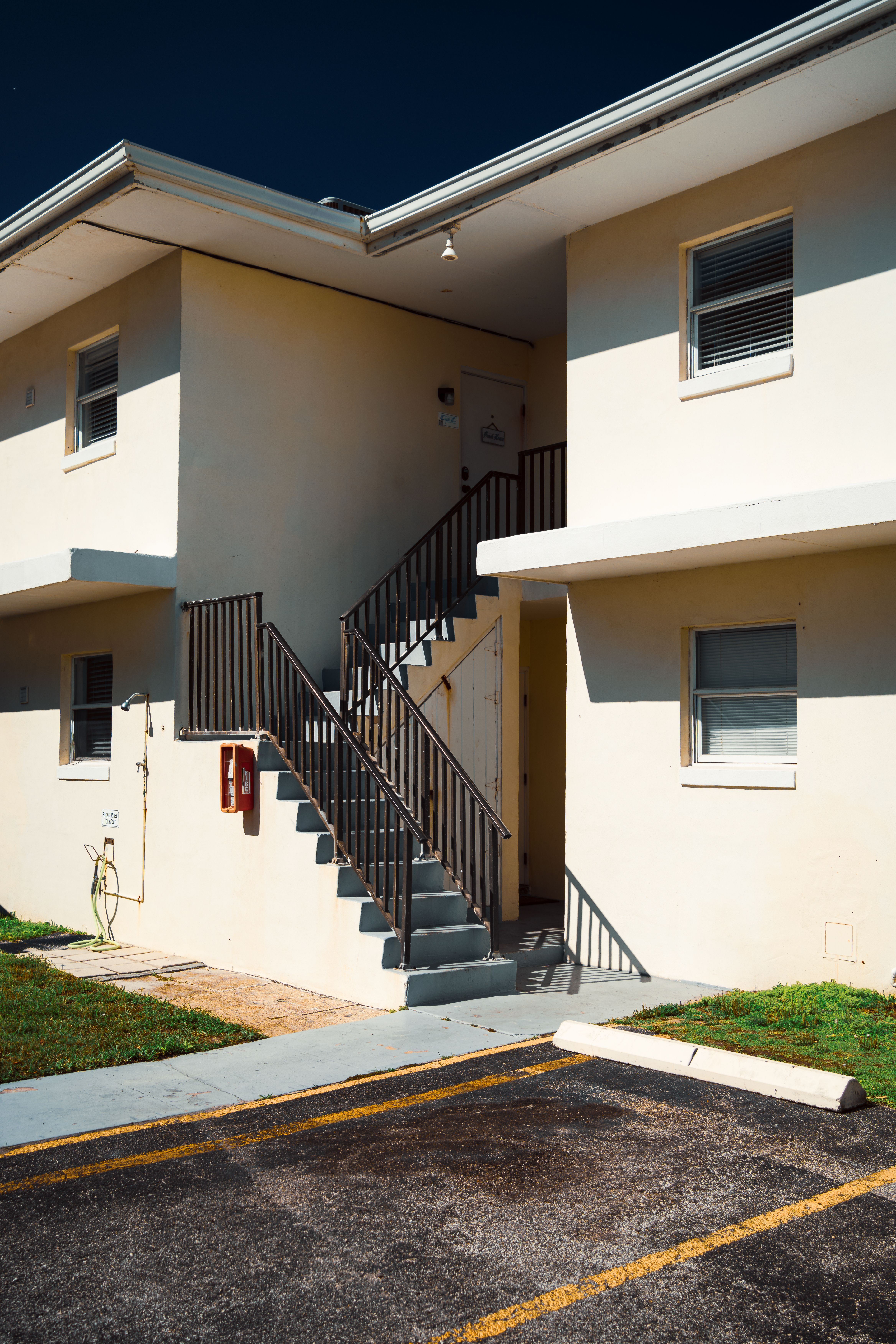
Acquiring a new rental property is an exciting milestone for any real estate investor. Whether you have purchased a distressed fixer-upper or a turnover-ready unit needing modern updates, the urge to jump straight into cosmetic improvements like painting or styling is strong. However, starting with the wrong project can quickly drain your budget, cause unnecessary delays, and lead to ruined finishes.
To maximize your rental yield, minimize vacancy rates, and protect your long-term investment, you must execute your renovation in a strategic sequence. Addressing structural issues and core infrastructure first ensures that cosmetic upgrades remain pristine and durable for future tenants. Here is the definitive roadmap for prioritizing your rental property renovation.
Phase 1: Secure Infrastructure and Tenant Safety
Before considering aesthetic upgrades, prioritize the core systems that ensure the property is safe, weather-tight, and fully functional. Neglecting baseline systems can result in catastrophic damage later on, erasing any value added by superficial updates.
- Roofing and Building Envelope: A leaking roof or compromised exterior can ruin new drywall, insulation, and interior paint during a single rainstorm. Fix water intrusion issues immediately.
- Plumbing and Electrical Systems: Outdated electrical panels, unsafe wiring, or corroded plumbing present significant liabilities and tenant complaints. Upgrading these systems requires opening up walls and floors, so this rough-in work must occur before installing any finish materials.
- HVAC Systems: Ensure heating and cooling systems are fully serviced or replaced. Performing HVAC overhauls and duct cleaning early prevents construction dust from recirculating across fresh finishes later.
Phase 2: Layout Alterations and Heavy Structural Work
Once essential mechanics are secured, move to major layout modifications and heavy construction tasks that generate substantial dust and debris.
- Wall Removals and Reconfiguration: Opening up sightlines between kitchens and living spaces can dramatically increase rental appeal. Complete all structural framing and drywall demolition during this stage.
- Windows and Exterior Doors: Replacing drafty windows improves energy efficiency, lowers utility costs, and secures the property.
- Durable Flooring: Rental floors must withstand tenant turnover and heavy foot traffic. Subfloor repairs and main surface installations should occur before bringing in appliances or furniture. For instance, investing in quality upgrades like hardwood flooring in Salt Lake City properties provides an elegant, long-lasting surface that commands higher monthly rent while holding up against wear and tear. Completing floor work before final wall painting also prevents sanding dust from settling on fresh coats.
Phase 3: Upgrade High-ROI Functional Spaces
Kitchens and bathrooms are the primary drivers of tenant decision-making and offer the highest return on investment.
- Kitchen Remodels: Install new cabinetry, durable quartz or granite countertops, backsplashes, and stainless steel appliances after rough plumbing and electrical inspections are passed.
- Bathroom Overhauls: Modernize bath spaces with clean tile work, updated vanities, and low-flow plumbing fixtures. If managing a multi-bathroom property, renovate them systematically to maintain efficiency.
Phase 4: Cosmetic Touches and Final Trim
With heavy construction complete, you can safely shift focus to visual finishes that create a polished look for showings.
- Drywall Patching and Paint: Patch wall imperfections and apply neutral, durable paint. Using semi-gloss or satin finishes allows tenants to easily clean walls without damaging paint. Professional contractors recommend painting before baseboards and final trim detailing are capped off.
- Lighting and Hardware: Install modern LED light fixtures, clean switch plates, cabinet hardware, and door locks. These minor details tie room designs together seamlessly.
Phase 5: Exterior Enhancements and Curb Appeal
First impressions directly influence prospective tenant interest during property showings.
- Exterior Surfaces: Apply a fresh coat of exterior paint or repair siding to protect the building envelope and enhance visual appeal.
- Landscaping: Tidy up lawns, trim overgrown trees, and install low-maintenance landscaping once heavy construction dumpsters and equipment have cleared the site.
Summary
Renovating a rental property efficiently is all about proper timing. By tackling structural infrastructure, heavy demolition, and high-wear flooring before moving to cosmetic details, you protect your investment, avoid costly rework, and create an attractive living space that yields consistent rental income for years to come.




Leave a Reply