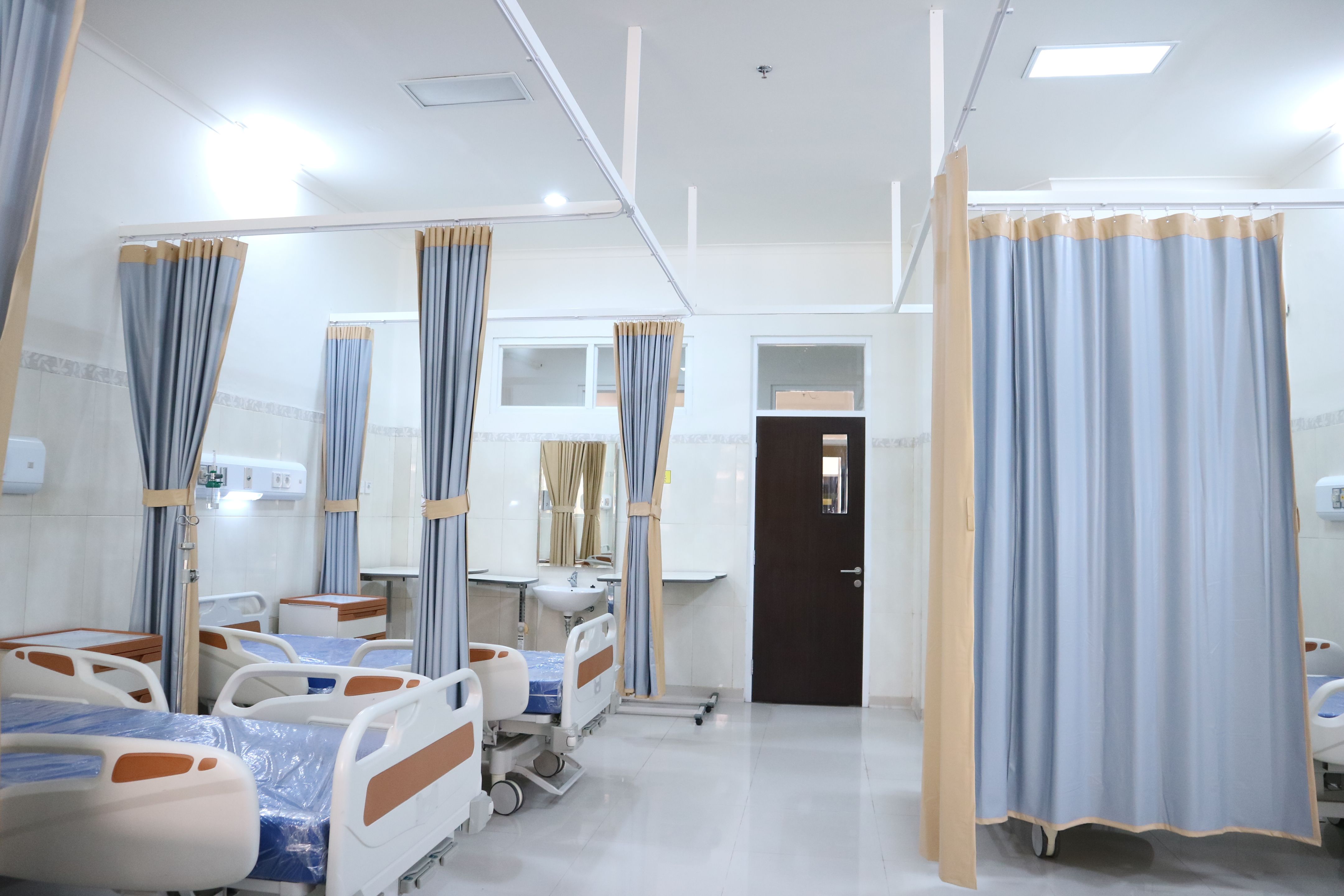
Families in Chautauqua and Cattaraugus counties who start looking for inpatient care often run into the same wall. The bed they need is not open, or the program nearby does not offer the level of care the assessment called for. At that point, the search for an addiction treatment provider widens, sometimes as far as New York City.
That decision is worth thinking through rather than defaulting into. What exists locally is checkable first, since the state Office of Addiction Services and Supports keeps a directory of licensed programs searchable by county, city, ZIP code and program type. Distance changes what treatment can offer and what it costs a person in other ways, and the tradeoffs run in both directions.
Why Distance Enters the Decision
In smaller communities, the number and type of available treatment programs may be more limited, and available services are not interchangeable. Withdrawal management, inpatient rehabilitation and outpatient care are separate services, and a program licensed for one is not necessarily licensed for another.
Timing compounds it. A person who is ready to go on a Tuesday may not stay ready until a local bed opens the following month, which is why some families widen the radius rather than wait.
Level-of-care recommendations are meant to reflect clinical need rather than simply proximity. The American Society of Addiction Medicine maintains the criteria used to guide level-of-care decisions, currently in their Fourth Edition.
What the Assessment Weighs
That assessment is broader than a list of substances. The framework considers factors such as a person’s health, substance-use risks, recovery environment, barriers to care and ability to engage in treatment. The Fourth Edition, released in 2023, added a person-centered dimension that considers factors such as patient preferences, goals, barriers to care and social determinants of health.
Two people can come out of the same evaluation pointed in different directions for that reason. Someone with stable housing and involved family may do well in a program close by. Someone whose daily environment is tied up with using may be better served somewhere else, at least at first.
Neither answer is automatically correct. The distance question is more than logistical, and it belongs in the assessment conversation rather than being decided afterward.
The Case for Staying Close
Proximity makes some things easier that are hard to replace. Family sessions are simpler to attend, the handoff to local outpatient care is shorter, and the people who will be part of daily life afterward can be involved while treatment is happening.
Co-occurring conditions complicate this. The National Institute of Mental Health notes that people with substance use disorders often experience other mental disorders, and describes integrated care as combining mental health and substance use treatment in one place rather than in parallel. A nearby program that treats only one of the two may not be the shorter path it appears to be.
The Case for Going
Going farther from home can provide access to services that may not exist within driving range, as well as separation from an environment that a person associates with using.
Downstate facilities may appear in these searches when families find services or availability that are not available closer to home. Before traveling, families can ask an experienced addiction treatment provider about its licensing, available levels of care, admission process and plans for continuing treatment after discharge.
That distance is a real consideration for family involvement during a stay, and a bigger one for what happens at discharge.
The Handoff Is the Weak Point
Treatment that ends several hours from home creates a coordination problem that a local program does not have. Outpatient follow-up, prescriptions and recovery supports all need to exist where the person is going, not where they were treated.
Questions worth asking any out-of-area program before admission:
- Who arranges outpatient care near my home, and when does that start?
- Will you coordinate directly with a provider in my county?
- How is continuing medication handled after discharge?
- What family participation is possible remotely?
- What happens if I need to leave early?
A program that can answer these specifically has thought about the problem. Whether discharge planning is handled by the program or left to the family is worth establishing before admission rather than during it.
Medication continuity deserves particular attention. If a person is stabilized on medication for opioid or alcohol use disorder during the stay, a prescriber needs to be identified near home before discharge rather than after. Arranging that across several hours takes more lead time than a local handoff would.
Where to Start Locally
Before widening the search, it is worth confirming what exists nearby. The state directory will show what Chautauqua and Cattaraugus currently have, including whether a given program is licensed for withdrawal management, rehabilitation or outpatient care.
SAMHSA also runs a national helpline at 1-800-662-HELP, free and confidential around the clock, that provides referrals to local treatment facilities and support groups.
County mental health and substance use offices can point toward regional options as well, including outpatient and intensive outpatient programs that may not involve travel at all. Not every assessment ends in an inpatient recommendation.
Starting there does two things. It establishes whether the local option genuinely does not fit, and it gives a family something concrete to compare against if the search does end up going downstate.
None of this makes the choice obvious. Families are usually deciding quickly, with partial information, and the option that is open is not always the one that fits best. Asking what happens after discharge tends to separate the two, wherever the program sits on a map.



Leave a Reply