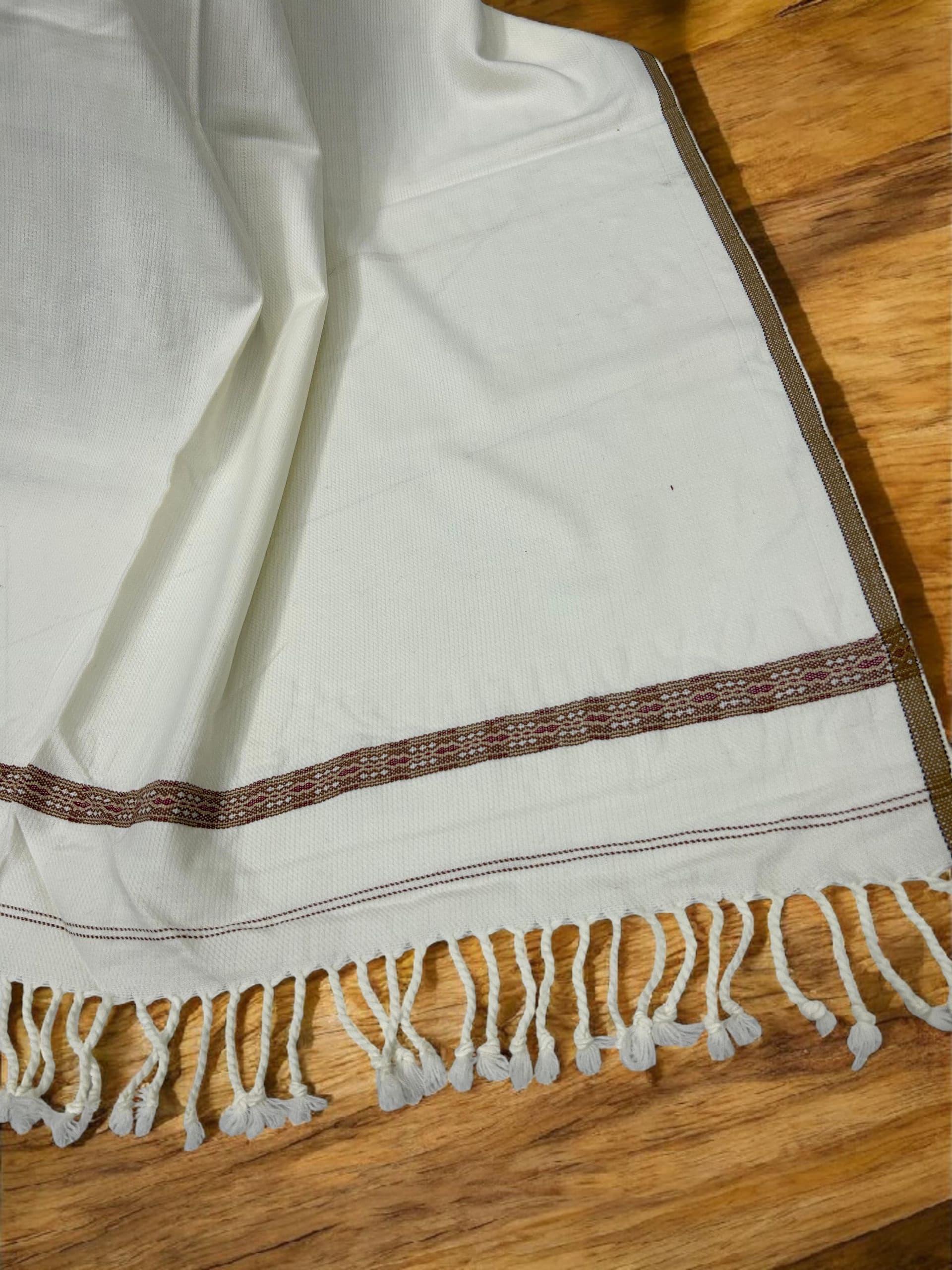
Men’s shawls are not remnants of grandfathers’ wardrobes. They have now become a more practical addition to Pakistan’s winter wardrobe. As 2026 started, more men are investing in them as an investment rather than a winter accessory.
During winter, temperatures regularly drop below 5 degrees Celsius across Punjab, Islamabad, and the northern belt, and a good shawl for men offers warmth, layering, and style in one. This guide explains fabrics and their costs, and Pakistani brands, so that it doesn’t take 10 trips to the shops to make the decision.
What Makes A Shawl For Men Worth The Money In 2026?
A shawl for men earns its price through reuse across formal, casual, and travel occasions within a single winter. A shawl can be used over a kurta, suit or plain sweater, and doesn’t have to be bought specifically for each occasion.
Unlike a padded jacket that takes up half a suitcase, it folds up flat and fits in a bag. As cotton and synthetic fill prices have increased each winter, so have the prices of jackets, and one shawl is used for several outfits without having to change it.
This versatility has seen the emergence of shawl usage among younger men in Lahore, Karachi and Islamabad, and has brought it out of the “elders only” realm. Office wear, Friday prayer, a platform at a late train in December- a shawl adapts to all three without changing clothes.
What Types Of Shawls Do Pakistani Men Actually Wear?
Pakistani men opt for wool, pashmina, acrylic blend, or dhussa shawls, each of which comes with a price tag and a climate preference.
- Wool: durable, mid-range price, everyday winter wear
- Pashmina: lightweight, premium price, formal and gift occasions
- Dhussa: thick double weave, suited to northern winters
- Acrylic blend: lowest price, shortest lifespan
These are some of the reasons why wool shawls are the most common fashion accessory for daily wear. Pashmina is at the high end and is prized for its lightweight yet high degree of warmth. Unlike regular wool shawls, Dhussa shawls are made with a double-layered weave with a thicker texture, inspired by the traditional weaving techniques of the Pashtun and northern Pakistani tribes.
Acrylic blends take the place of wool in the entry-level market, mimicking the appearance and feel of wool at a lower cost. Even in the present time, a significant portion of dhussa and pattu weaves is made in Peshawar, Swat, and Chitral, which are then sold in the markets of Lahore and Karachi.
Pashmina, Wool, Or Acrylic: Which Shawl For Men Wins On Value?
A wool shawl for men delivers the strongest value, balancing a three to five year lifespan against a mid range price.
Pashmina outlasts wool by several years when stored properly, but the entry price sits four to five times higher. Acrylic costs the least at checkout, then loses shape and pills within one or two winters, which pushes its true cost per wear above wool once the replacement cycle is counted.
| Fabric | Price Range (PKR) | Typical Lifespan | Best For |
| Acrylic blend | 1500 – 3,000 | 1-2 winters | Budget buyers, students |
| Wool | 4,000 – 8,000 | 3-5 winters | Everyday wear |
| Dhussa (double wool) | 4,000 – 12,000 | 4-6 winters | Northern climates, heavy cold |
| Pashmina | 9,000 – 25,000+ | 8+ years with care | Formal events, gifting |
A cheaper acrylic piece bought three times over five winters ends up costing close to a mid-range wool shawl bought once and cared for properly.
What Does A Men’s Shawl Cost In Pakistan In 2026?
Men’s shawl prices in Pakistan range from roughly Rs. 1500 for acrylic to over Rs. 25,000 for fine pashmina, with most everyday buyers spending between Rs. 2,000 and Rs. 6,000.
Online search interest in Pakistani men shawl categories climbs sharply in November and December, as temperatures fall across Punjab and Islamabad. The right shawl for men purchase depends more on how often it gets worn than on the sticker price alone. A shawl worn twice a week for five winters costs less per use than a cheaper piece replaced every season.
Price Changes In Every City For Men Shawls
The prices of Shawls remain more or less stable in different cities of Pakistan, and the availability of shawls and mix of fabrics varies from region to region.
Lahore and Karachi markets are inclined to buy ready-made, branded garments from the retail outlets at a premium due to the packaging and overheads of the retail outlets. The dhussa and pattu weaves are sold in the towns of Peshawar, Swat, and Northern towns which are closer to the source; the price of a fabric of similar weight is often lower. Islamabad is in the middle of these two, and both the boutique stores and the open markets such as Itwar Bazaar have wool and acrylic available. It is also observed that the buyers who come to buy raw wool and dhussa pieces from the north during winter get better prices than if the same wool or dhussa is available on a branded shelf in Lahore.
Which Pakistani Brands Stock Men’s Shawls In 2026?
In 2026, some of the most prominent Pakistani retailers of menswear shawls are Dressifie, Junaid Jamshed, Zellbury, Saleem Fabrics, and Royal Shawls.
A yarn specialist, Junaid Jamshed has compiled a list of wool shawls for everyday and formal occasions. Zellbury’s shawls are marketed as formal winter wear, to be worn with a kurta and waistcoat. Saleem Fabrics specialize in pashmina and pure wool and sell it to those who want something that will last a long time as opposed to something that will come and go with the seasons. Royal Shawls’ product line focuses on wedding and groom shopping, including the pure Australian wool lines. The dhussa shawls cost Rs. 2500 to Rs. 3000 at Subhay and Khan Culture. 1,500 and Rs. 6,000, for those who care more for warmth than brand.
| Retailer | Shawl Focus | Approximate Price (PKR) |
| Dressifie | Pashmina, Dhussa, Acrylic, Wool One Stop Shop for everything | 2,100 – 10,000 |
| Junaid Jamshed | Wool, everyday & formal | 3,000 – 8,000 |
| Zellbury | Formal wool shawls | 2,500 – 6,000 |
| Saleem Fabrics | Pashmina, pure wool | 6,000 – 20,000+ |
| Royal Shawls | Wedding & groom wool | 5,000 – 15,000 |
| Subhay / Khan Culture | Dhussa, acro-wool | 1,500 – 6,000 |
These figures reflect listed retail prices observed in 2026 and shift with embroidery, weight, and border detail. None of the brands above cover every price point equally, which is why fabric research still matters more than brand name alone.
Why Do Shawls Make A Common Wedding Season Gift For Men?
A shawl works as a wedding gift because it fits any build without sizing risk, unlike a suit or a shirt.
Pashmina and fine wool pieces carry enough perceived value for a groom’s side gift, while staying practical for daily use after the event ends. Wedding season in Pakistan runs heaviest from November through February, which overlaps directly with peak shawl buying months. Retailers such as Royal Shawls build entire product lines around this overlap, packaging shawls specifically for groom shopping and Baraat outfits. A shawl gifted at a wedding also tends to get more actual use afterward than formal wear bought for a single event, since it folds into regular winter rotation once the occasion passes.
How Should A Shawl Be Chosen For The Occasion?
Fabric weight should be similar to the event: Wool and Dhussa suit regular wear and use, whereas Pashmina is better suited for weddings and formal events.
The rule is the same for color. Grey, black, and beige are great for work or everyday use, and cream, maroon, and patterned borders are perfect for weddings and other special occasions. For men’s shawl for sale online, it is important to review the composition of the fabric on the product page, as “wool blend” and “pure wool” represent different price points and warmth levels for a shawl that is virtually the same pattern. There’s also a factor of height and build. A tall frame will have a longer shawl that will not drag, and a short frame will look sleeker when a narrow shawl is folded once over the shoulder.
What Should Buyers Check Before Ordering A Shawl Online?
The fabric description on the product page is more important than the picture because sometimes an acrylic and a wool will look the same in a “flat lay” photo.
If the weight is shown in grams per square meter, as it often is, it provides a good indication of how warm the product will be, with 200 GSM and below being lighter and best for mild evenings, but not deep winter. Return policy is important with shawls because sometimes colors can change slightly depending on the lighting in the room, as opposed to the photo of the product. When a seller specifies the exact dimensions, fabric percentage, and a definite return policy, it means the seller is more likely to offer a trustworthy deal than one just using marketing jargon.
- Check fabric percentage, not just the product name
- Look for GSM or weight if the listing includes it
- Confirm the return or exchange window before paying
- Compare dimensions, since shawl length varies by brand
What Upkeep Keeps A Woolen Shawl Looking New?
Woolen shawls can be maintained by dry cleaning or mild hand washing, flattening, and moth protection using cedar or neem.
- Clean pashmina and fine wool dry once or twice a year.
- Hand wash acrylic blends in cold water and lay flat to dry
- Do fold flat, not hang on a hanger, as this will cause them to stretch.
Replace naphthalene balls with cedar blocks or neem leaves.
Naphthalene balls are effective, but they leave a lingering odor in the fabric that can last for weeks; this is why many dry cleaners in Pakistan have advocated the use of neem leaves.
Bottom Line: Shawl vs Jacket
A mid range wool shawl priced between Rs. 5000 and RS. 9000. It covers more outfit combinations across a five year span than a jacket bought at a similar price. In general, a jacket will look good with 2 to 3 different looks before it begins to look the same. A shawl can be used in many ways, depending on what is worn underneath it: a plain kurta for everyday use, a sherwani for a marriage, a suit for a formal dinner.
Jackets wear out more easily at the cuffs and collar, whereas a shawl has no seams that can wear out like that. The same applies to the resale value. A good, clean wool or pashmina shawl still has a resale value several years after it is worn, and a used jacket has little resale value after two winters.
Shawls for men are no longer just stuck to older family members during weddings. It has transformed into an investment that pays off over a few winters in Pakistan, as long as the cloth is within the budget and the event is right. For most buyers, wool is the best place to begin, and dhussa for colder cities in the north and pashmina for style connoisseurs looking for long-term formal wear. It will last you for a long time if it’s stored properly and purchased at the same price as a jacket.



Leave a Reply