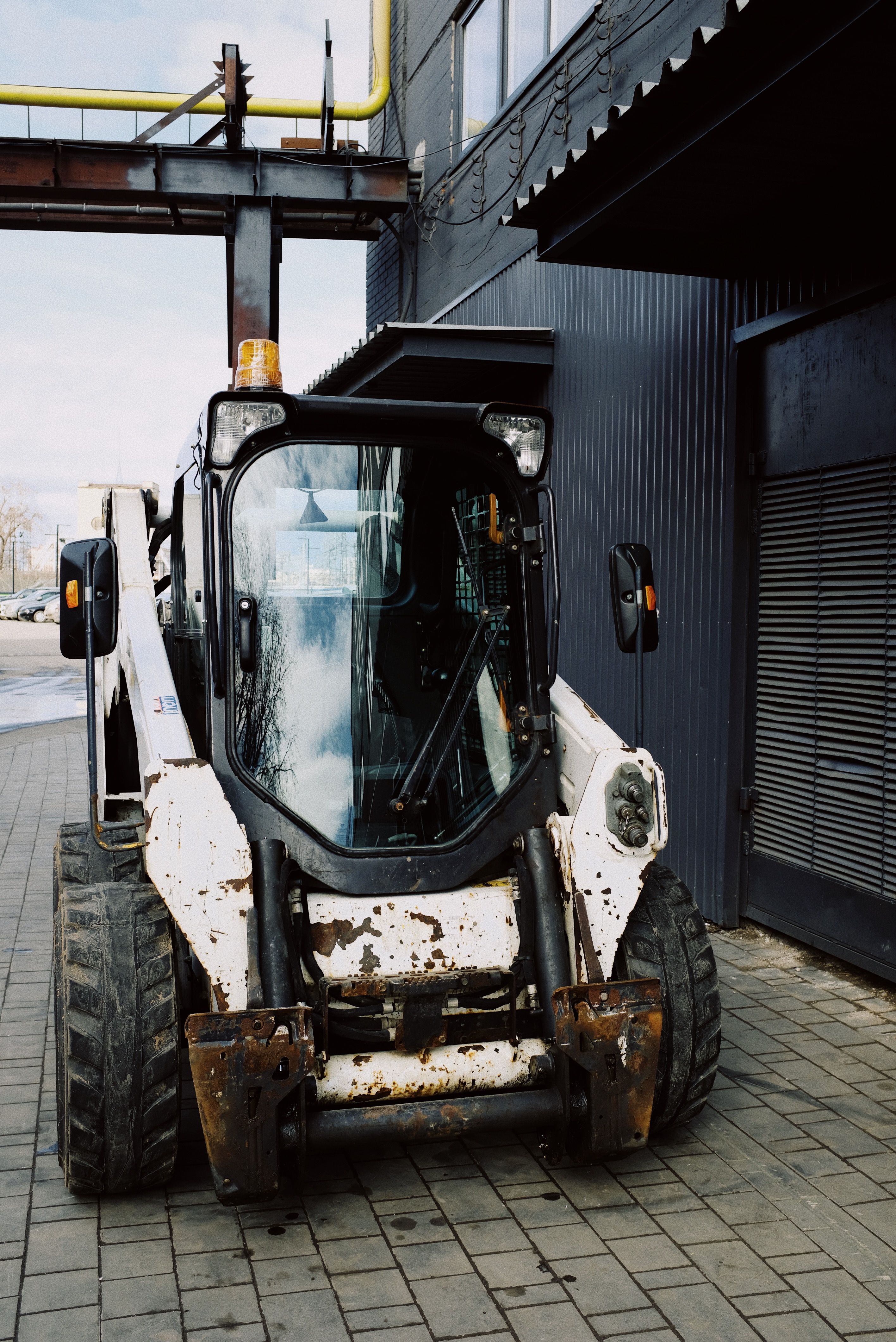
It’s 7 a.m. in late November, a band of lake-effect snow has parked itself over the Southtowns, and a pipe welder is standing next to a half-finished process unit, trying to decide whether today counts as a workday. A growing number of plant owners have stopped asking that question altogether: they build modular process skids in heated factory bays through the winter and truck them to site once the roads and the weather cooperate.
Anyone who has lived through a Buffalo winter already understands the appeal. But the details of why it works, and when it doesn’t, are worth a closer look.
What winter actually does to a job site
Snow is the obvious problem. The bigger problems are the ones you don’t see from the road.
Welding slows to a crawl. The structural welding code most U.S. contractors follow doesn’t allow welding when it’s below 0°F, and when the steel itself is below freezing, it has to be preheated to at least 70°F first. Welding also isn’t allowed on wet surfaces or in high wind. On a January job site, that means tents, propane heaters, torches and a lot of waiting.
Cranes stay parked. Wind off Lake Erie can shut down a lift even on a clear day. Depending on the crane and the load, many lifts are called off once gusts climb past 20 or 30 mph, and a big lift can wait days for a calm window.
The days are short. Buffalo gets only about nine hours of daylight in late December. Crews lose productive hours at both ends of the shift, and working under temporary lights in the cold is slower and riskier.
Testing gets complicated. Piping and vessels are usually pressure tested with water. In freezing weather, that water can freeze in low spots, and the steel needs to be kept warm enough during the test to avoid brittle behavior. Pressure-vessel rules typically call for the metal to be well above its rated minimum temperature during a hydrotest. Outdoors in February, that’s a project of its own.
And then there are the storms that stop everything. In November 2022, parts of the Southtowns got more than six feet of snow in a few days. Roads closed, deliveries stopped, and work on a lot of outdoor projects simply stopped with them.
The winter swap
The smartest thing about modular construction isn’t the factory. It’s the calendar.
On a traditional project, everything happens in sequence, on site: foundations, then steel, then equipment, then piping, then wiring, then testing. Any of those steps can land in the middle of winter.
With skids, the schedule splits into two tracks that run at the same time:
- On site, before the ground freezes: civil crews pour foundations and set anchor bolts in late summer and fall. In this region, footings typically go about four feet down to get below the frost line, so that work has to happen while digging is still practical.
- In the factory, through the winter: the process equipment, piping, valves, instruments and wiring are assembled on steel frames indoors, where the temperature, lighting and crane schedule don’t depend on the lake.
By spring, the foundations have cured and the skids are finished and tested. What’s left on site is setting the modules, bolting them down, and connecting them. Manufacturers commonly claim schedule savings of 40 to 60 percent this way, though the real number depends heavily on the project.
What happens in the factory while it snows
Inside a well-run fabrication shop, the work looks almost boring, and that’s the point.
Welds are made at comfortable temperatures, inspected, and recorded one by one. Pressure tests happen in heated bays, with water that isn’t about to freeze. Many skids get a full factory acceptance test (FAT) before shipping, meaning the pumps are run, the instruments are checked, and the control system is powered up while engineers watch. If a valve is installed backwards or a sensor reads wrong, it gets fixed in an afternoon rather than discovered during start-up, when every day of delay is expensive.
To give a sense of scale, Sharp Eagle, a process-equipment manufacturer that builds skids for petrochemical, clean energy and water treatment projects, works out of a 20,000-square-meter plant with overhead cranes rated up to 50 tons and inspects every weld before shipment. Shops like that can keep a skid moving through fabrication at the same pace in January as in July, which is exactly what a winter-bound site can’t do.
Getting it here is its own project
A finished skid still has to travel, and this is where a lot of first-time buyers get surprised.
- Size limits come first. The standard legal width for trucks is 8.5 feet. Anything wider needs oversize permits, and the widest loads need escorts, route surveys and sometimes utility crews to lift overhead lines. The time to check the route is during design, not the week before shipping.
- Spring roads have rules too. Some local roads in the region post seasonal weight limits during the spring thaw, right when many projects want to deliver. A heavy module might need a different route or a different week.
- Overseas builds add ocean time. If the skid is fabricated abroad, shipping can add several weeks. Good suppliers cap every opening, protect instruments from salt air, and often fill sensitive equipment with dry nitrogen so it arrives in the same condition it left.
When modular doesn’t make sense
Moving work indoors isn’t always the right answer.
- Some units are simply too big. If a system can’t be split into modules that fit transport limits, it has to be built on site.
- Some projects are mostly concrete and steel. If the job is largely buildings, tanks and foundations, there isn’t much process equipment to move into a factory.
- Small one-off jobs may not pay back. Modular design takes extra engineering up front. On a small, simple system, that effort can cost more than the time it saves.
- Some outdoor work never goes away. Foundations, final connections, and hookups to power and existing piping still happen on site. The trick is scheduling them for the good months, roughly May through October here.
Questions worth asking before you sign
If you’re a plant owner or project manager in Western New York considering this approach, a few questions will tell you a lot about a supplier:
- Will they run a factory acceptance test, and can you attend or watch it on video?
- Have they checked the module dimensions and weights against your actual delivery route?
- How will equipment be protected during shipping and storage?
- Can their schedule line up with your foundation work before the ground freezes?
- Who handles the final tie-ins on site, and when?
The bottom line
Western New York has never been able to negotiate with the lake. What it can do is stop scheduling critical work in the months when the lake is in charge. Building process systems indoors over the winter and setting them in spring won’t make the snow go away, but it can keep a project moving while everyone else is waiting for the next clear day.
Leave a Reply