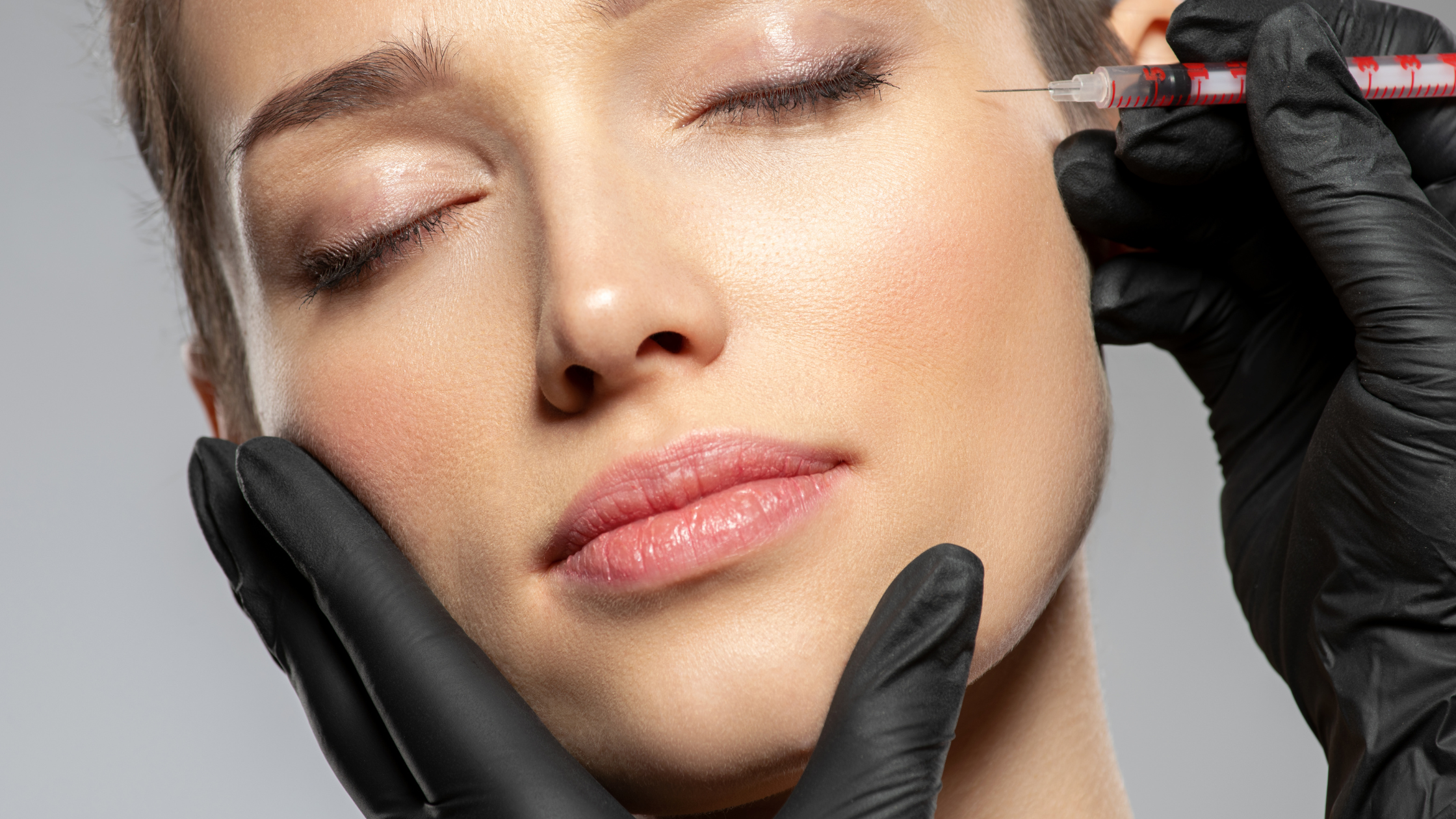
“This guide outlines essential safety considerations for choosing a Botox provider on the Upper East Side. It highlights New York state medical credentials, facial anatomy expertise, red flags to avoid, key consultation questions and the importance of conservative dosing.”
The Upper East Side is home to one of the highest concentrations of aesthetic practices in the world, offering patients unprecedented access to anti aging treatments and facial refinement. However, this high volume of options can make it challenging to separate high caliber medical care from commercialized cosmetic services. When seeking Botox Upper East Side specialists, it is essential to remember that botulinum toxin is an FDA regulated prescription medication, not a simple beauty treatment. Achieving subtle, refreshed outcomes while safeguarding your long term health requires a thorough evaluation of provider credentials, clinical safety standards and anatomical expertise.
Understanding New York Regulations and Injector Credentials
The strict regulations established by New York State in connection with cosmetic injectables are intended for the purposes of safeguarding the welfare of patients. Under the provisions set forth in the New York Education Law, the administering of neurotoxin injections has to be done only by accredited medical practitioners which may be MDs or DOs and other medical professionals such as nurse practitioners or physician assistants or registered nurses. Only authorized and certified healthcare providers can perform neurotoxin injections and practitioners without the licenses in aesthetic practice such as aesthetician, cosmetologists and unlicensed technicians cannot be allowed to carry our neurotoxin injections regardless of their certifications in private practice.
It is important to evaluate more than just licensure when evaluating a practice. Registered nurses performing injections have to be guided under the orders and supervision of a physician. It is advisable to choose a well established practice which has a dermatologist or a plastic surgeon as a Medical Director overseeing the procedure. This way, professional supervision will be provided if any unforeseeable complications arise during the process or after it is completed.
Clinical Evaluation and Facial Anatomy Mastery
An inexperienced practitioner may fail to account for subtle differences in muscle depth, vector pull, or inherent facial asymmetry. Inaccurate injection technique or incorrect unit dosage can lead to diffusion into unintended muscle groups. This can cause frustrating adverse outcomes, including eyelid ptosis (drooping), heavy or asymmetrical brows, or an unnaturally frozen expression. To prepare effectively and avoid preventable issues, review these 5 things to know before getting Botox in Upper East Side NYC. A skilled practitioner always conducts a thorough dynamic facial assessment evaluating muscle movement during laughter, frowning, and rest to create a tailored treatment plan.
Red Flags vs. Gold Standards in Aesthetic Practices
Navigating the aesthetic market requires a clear understanding of what constitutes high quality clinical care versus risky practice habits. Being aware of key indicators will help you select a safe, professional environment.
Critical Red Flags:
- Unusual Low Pricing: Bargain rates or excessive discounts per unit can suggest over diluted product, gray market neurotoxins from outside official supply channels, or counterfeit substances
- Rushed Medical Screening: If a practice skips taking a comprehensive medical history, checking for allergies, or following a formal informed consent protocol, they are skipping essential safety criteria
- Non Clinical Environments: Injecting in pop up events, private residences or non medical salons undermines sterility and leaves patients with no emergency medical equipment should a bad response occur
Clinical Gold Standards:
- Legitimate Sourcing: Legitimate practices only source items from certified manufacturers (such as Allergan Esthetics) and have transparent reconstitution processes (in strict accordance with the medical requirements)
- Sterile Environments: Injections should only be given in a clean, specialized clinical environment with appropriate sanitation instruments and procedures to address acute responses or complications
The Value of Conservative Dosing and Follow Up Care
The impressive feature of a good aesthetic clinic is its commitment to moderation in treatment philosophy. On average, neuromodulators take between 7 and 14 days to attach to the neuromuscular receptors and carry out their work. An experienced practitioner will recommend starting with a low quantity of the drug and having a follow up appointment in two weeks.
Conclusion
Choosing an aesthetic practitioner involves a balance between having an artistic eye and the ability to work clinically. In order to ensure both health and beauty, it is critical to use qualified healthcare workers, ascertain the source for the products they use, ask for anatomical specifications and require a sterile clinical facility for the procedure. Implementing this approach results in satisfactory, safe and beautiful results.
Disclaimer
This article provides general information about Botox treatments and does not offer medical advice. This information is for educational purposes and does not promise specific results. Consult a qualified medical professional like Beaute Aesthetics to determine suitable treatments and understand potential risks.



Leave a Reply