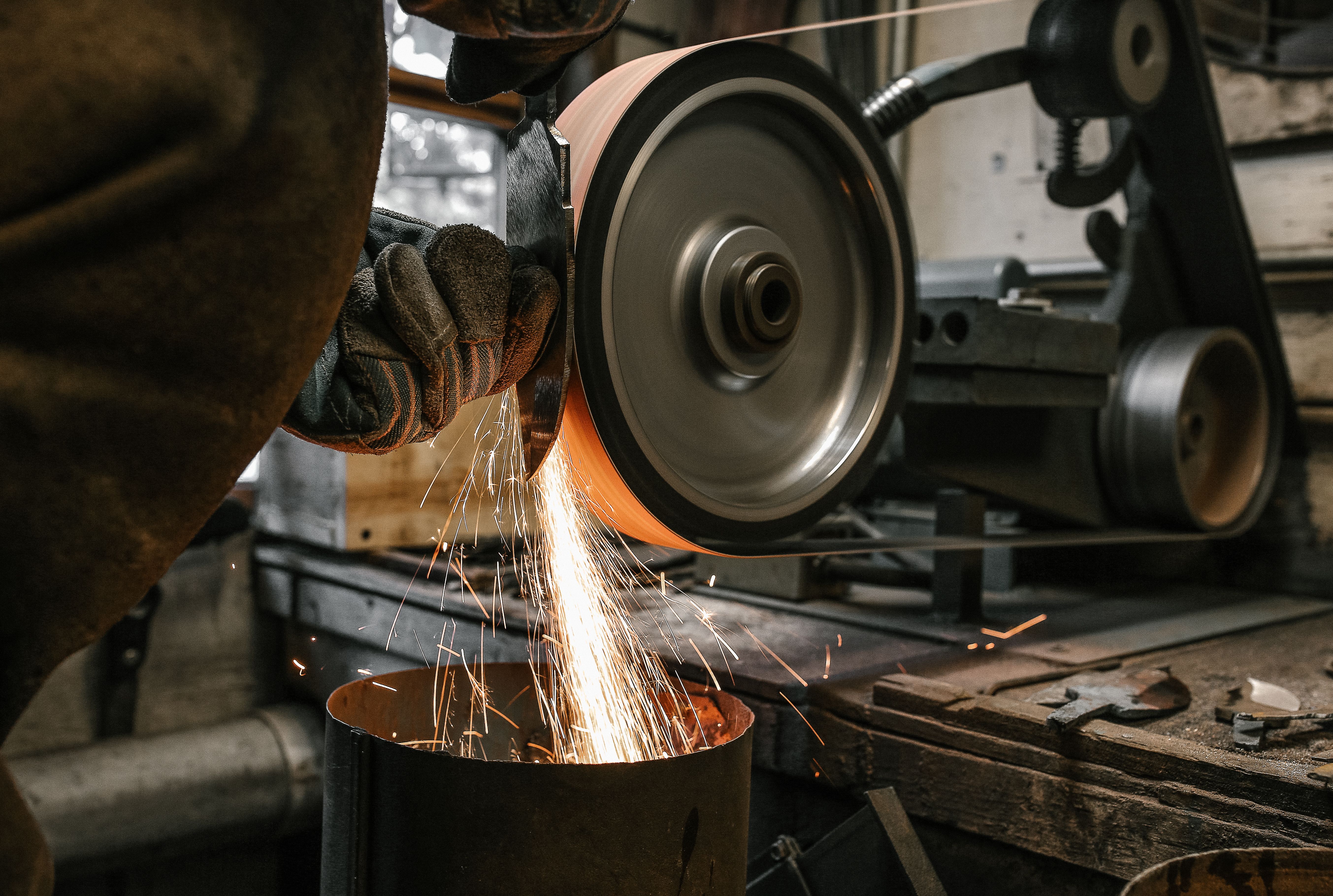
Metal production shapes the modern infrastructure around us, transforming raw material into structural components, artistic elements, and functional hardware. Navigating this industry requires a firm grasp of material choices, design principles, and regional structural requirements. Understanding the core elements of custom assembly ensures that projects proceed smoothly from early design phases through final delivery.
Understanding Primary Fabrication Methods
Transforming stock metals into completed structures relies on several fundamental manufacturing methods. Each technique alters raw stock using physical force, thermal processing, or precision cutting tools.
Cutting and Trimming Techniques
Cutting serves as the opening step in almost every custom manufacturing process. Modern shops utilize direct mechanical shear tools alongside advanced thermal techniques such as plasma setups and high-powered light beams. Plasma processing cuts through thick electrical conductors efficiently using ionized gas streams. Mechanical shearing provides quick straight-line trimming on flat sheet stock. Selecting the proper cutting tool depends on the required tolerance, material thickness, and overall production volume.
Bending and Forming Operations
Forming forces raw materials into specific curves, angles, or compound geometries without removing mass. Press brakes apply thousands of pounds of force to bend sheet goods along calculated axis lines. Roll forming passes flat material through progressive roller sets to create continuous uniform channels or rounded curved shapes. Proper calculations must account for material elasticity to prevent springback during forming operations.
Joining and Assembly Procedures
Joining permanently secures separate structural sections together into unified assemblies. Arc welding uses high electric current to melt base metals and filler materials together. Mechanical fasteners like heavy bolts, blind rivets, and specialized threaded inserts offer sturdy connections when structural disassembly remains necessary later. Thermal bonding methods like brazing or soldering create solid low-temperature connections for specific component groups.
Selecting the Right Raw Materials
Material selection determines structural capacity, environmental resistance, total weight, and project expenses. Matching specific physical alloys to practical end-use needs prevents premature structural failures.
Carbon and Alloy Steels
Carbon steel provides high tensile strength alongside cost-effective affordability across large structural builds. Standard mild steel welds easily and responds well to standard shop forming equipment. High-carbon options offer increased surface hardness but require specialized preheating procedures during welding. Applying protective outer surface treatments prevents standard structural steel from developing rust oxidation when installed outdoors.
Aluminum Alloys
Aluminum delivers an exceptional strength-to-weight ratio while offering continuous resistance against natural surface corrosion. Common sheet grades like 5052 form smoothly around tight radii without cracking along bend lines. Structural alloys like 6061 provide robust load-bearing performance after proper heat treatment. Its lightweight profile reduces transport overhead and overall structural dead weight.
Stainless Steel Variants
Stainless steel includes high chromium levels that generate an invisible protective oxide layer over the outer surface. Grade 304 provides excellent, reliable corrosion defense across general food processing and architectural builds. Marine-grade 316 contains added molybdenum to withstand harsh chemical contact and saltwater environments. While raw stainless steel carries higher upfront material expenses, it eliminates ongoing repainting tasks.
Key Planning and Design Considerations
Smart design decisions made during early planning stages directly affect overall production expenses, structural longevity, and fabrication timelines.
Tolerances and Design Specifications
Requesting excessively tight tolerances across non-critical dimensions inflates machining hours and drives up scrap rates. Designing within standard shop tolerances lowers processing expenses while maintaining crucial component fitment. Engineers should specify strict tolerances only on critical interface surfaces, alignment pins, or high-speed rotating mounts. Clear blueprinted specifications reduce shop misunderstandings during final assembly operations.
Local Environmental Requirements
Structural installations must withstand regional weather patterns, temperature swings, and chemical exposure. Selecting appropriate protective surface finishes extends physical service life significantly. Durable powder coatings, hot-dip galvanizing, and specialized chemical anodizing shield bare material surfaces from outdoor degradation. Proper custom metal fabrication in Utah requires careful planning for severe winter freeze-thaw cycles and high mountain elevation exposures.




Leave a Reply