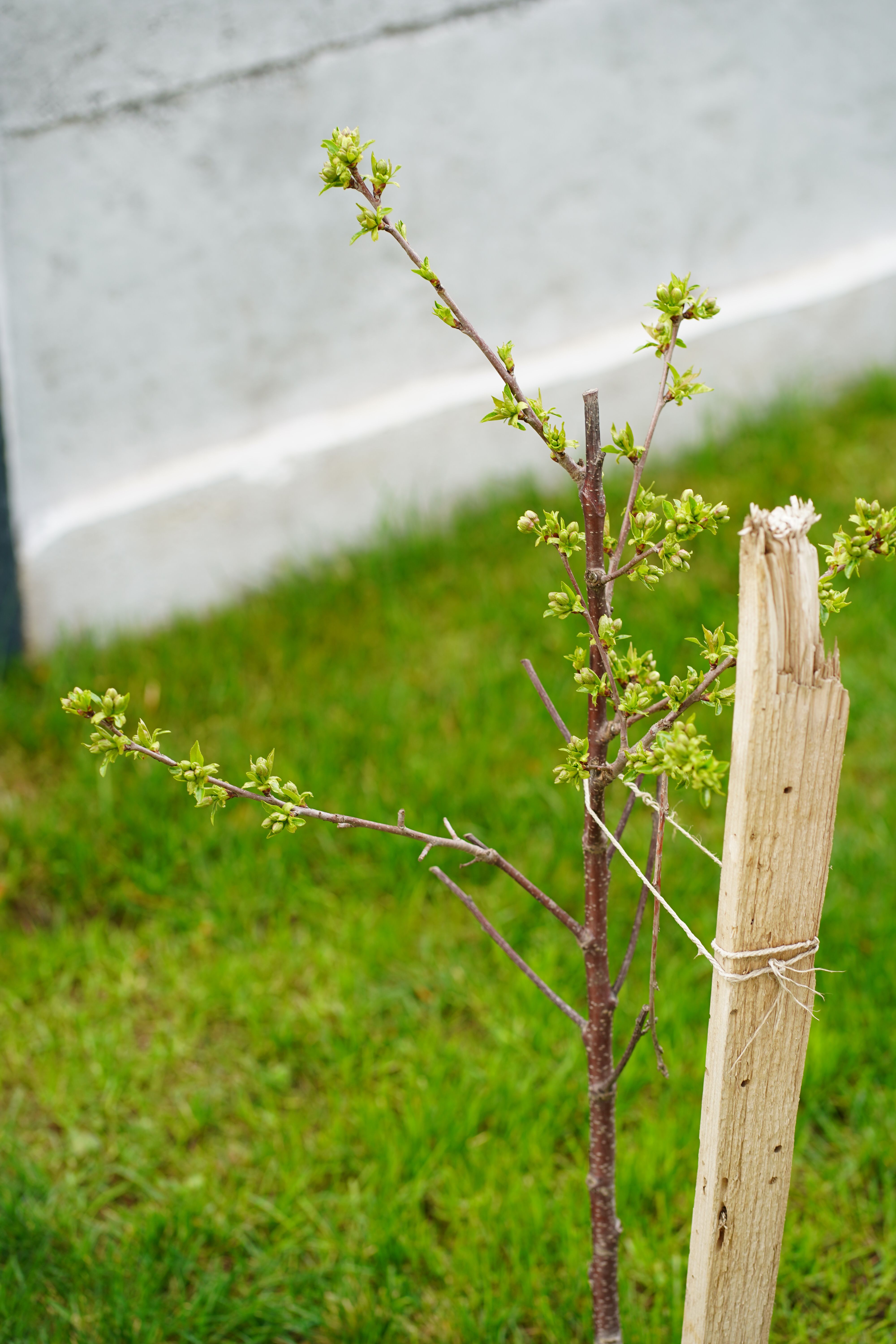
That small maple tree at the garden center is only three feet tall right now. In 20 years, it could be 60 feet tall and 40 feet wide. The roots may push up your driveway. The big limbs could hit your gutters when the wind blows.
Most tree issues that people pay to fix begin the day they plant. The key is to choose the right kind of tree from the start.
Plant for the Tree It Will Become
Every tree has its own big size, root growth, how fast it grows, and bugs it brings. If you don’t check these, you may end up doing a lot of pruning, cleaning, and fixing for many years. Before you dig, talk to a local group like Sure Wood Tree Service about how your soil, sunlight, and yard can help or hurt your tree over time. A short talk now can keep you from spending lots of money on trimming, fixing roots, or having to cut the tree down early.
The “Right Tree, Right Place” Rule
The Arbor Day Foundation has talked about this idea for a long time. The main tip is easy. You need to fit the tree’s full size to the place you want to put it. If you put tall trees next to power lines, the lines get cut by the power company. Big trees that are too close to buildings can get their branches on roofs and in gutters. If shade trees are put on the wrong side of your house, they stop winter sunlight from coming in when you may want it.
Five Questions to Answer Before You Buy
1. How big will it get? Check the full height and width it can reach when grown. Do not rely only on what the nursery tag says.
2. What’s overhead? Power lines, eaves, and trees next door all take up space above.
3. What’s underground?
Sewer pipes, septic areas, base work, and walk paths do not do well when tree roots are tough. Willows and silver maples are well known for this.
4. What’s your soil like? Heavy clay, sandy soil, and poor water flow can be good for some plants, but make others die.
5. Is it tough enough for the place you live? A tree that finds winters hard will feel stress. When this happens, pests can show up.
Species That Cause the Most Headaches
Some trees may look good at the nursery when you buy them. They can also end up costing a lot of money after that.
• Bradford pear. This tree grows fast. The branch angles are weak and can split when there is a storm.
• Silver maple. The wood breaks easily and the roots spread near the top of the ground.
• Ash. Many of these trees are at risk because of the emerald ash borer. This insect has killed millions of ash trees in North America.
• Cottonwood and willow. These trees have big roots that need lots of water and they drop stuff all the time.
None of these things are bad if you use them in the right place, such as on a large piece of land that is far from buildings. When they are close to a house, they can cause problems.
Better Choices for Most Yards
Look for trees that grow slow and’ be strong for where you live. Oaks, elms that’do not’ get sick easy, hackberry, Kentucky coffeetree, and serviceberry be good choices’ for many Midwest yards. If’ you’ need trees for small’ spaces, pick’ ornamental’ ones’ that’ grow’ less’ than’ 25 feet’ high. A local’ arborist’ or’ your’ [extension’ office](extension’ office’ can’ narrow’ the’ list’ for’ your’ exact’ conditions) can’ help’ you’ find’ what’ works’ best’ for’ your’ spot.
If you are new to planting, this guide on how to plant a tree that survives shares the basics you need. It tells you how to give a young tree a good start so it can grow well.
The Bottom Line
A tree will be part of your life for an extended period. You may think that it is only a temporary arrangement, but you will be binding yourself to the tree for about 50 years. Get the appropriate type of tree, depending on the environment, soil, and climatic conditions, and you will save money. Contact Sure Wood Tree Service prior to planting the tree. Ask for advice regarding the area that you want to plant.
Frequently Asked Questions
Which is the quickest-growing tree that is easy to maintain?
Fast-growing trees usually do not have tough wood. You need to get trees that grow at an acceptable pace and have tough wood. Get trees that suit your location.
Where should I plant my tree from my house?
Large trees should be planted 20 feet from the house’s foundation while small trees should be 10 feet from the house’s foundation.
When is the best time to plant a tree?
Early autumn and spring are great periods since the climate is moderate and favorable to roots’ growth.




Leave a Reply