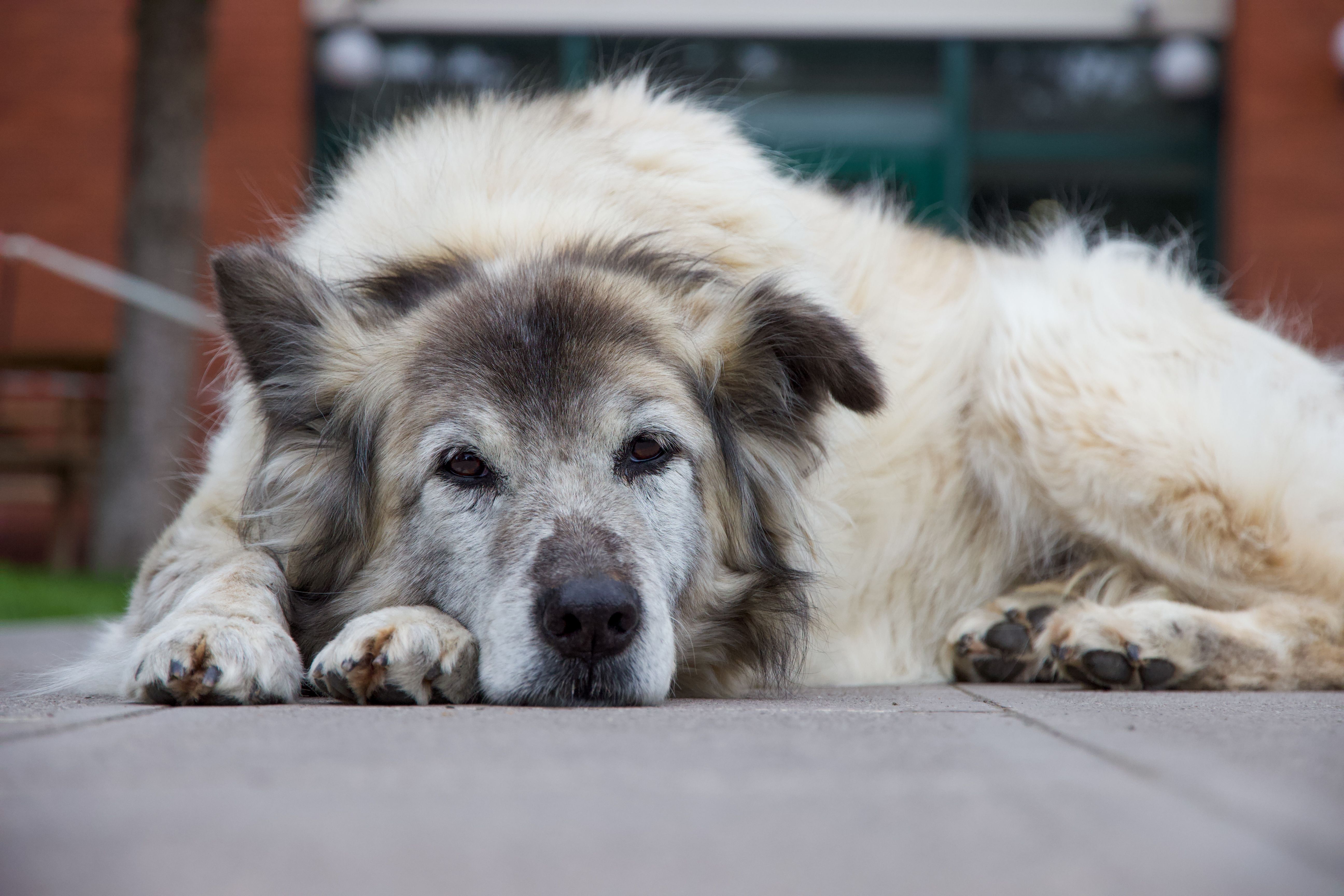
For many families, a dog is not just a pet. They are the one who greets you at the door, curls up beside you on hard days, and has been part of your routine for a decade or more. So when your dog grows old, one of the hardest questions you will ever face is also one of the quietest: Is it time?
There is rarely a single perfect moment, and there is no shame in not knowing. Veterinary professionals who guide families through this decision, including the team at Gentle Pet Passages, often say that the choice comes down to one thing: your dog’s overall quality of life. Here is how to look at it clearly and compassionately.
Why This Decision Feels So Hard
Dogs instinctively hide pain. Even a dog who is hurting may still wag their tail, eat a treat, or greet you at the door. That makes it easy to second-guess yourself. Many owners worry they are acting too soon, while others feel guilty for waiting too long.
The truth is that most loving owners wait because they care so deeply. The goal is not to find a perfect day, but to make sure your dog’s final days are comfortable and peaceful rather than painful or frightening.
Signs Your Senior Dog’s Quality of Life May Be Declining
No single sign tells the whole story, but a pattern of these changes is worth taking seriously.
1. Loss of appetite or refusing favorite foods If your dog regularly turns away from meals or treats they once loved, it can signal pain, nausea, or advanced illness.
2. Difficulty standing, walking, or climbing stairs Severe arthritis or muscle weakness can make even simple movement painful. If your dog struggles to get up, slips often, or needs help to stand, comfort may be slipping away.
3. Chronic pain that medication no longer controls Panting at rest, restlessness at night, whimpering, trembling, or hiding can all be signs of pain. If medications are no longer helping, it is time to talk with a veterinarian.
4. Incontinence and loss of dignity Frequent accidents are not just messy; they can be distressing and uncomfortable for your dog, especially if they cannot move away from them.
5. Withdrawal and loss of interest When a dog stops greeting you, no longer cares about toys, walks, or family time, or seems disconnected, it often means they are no longer enjoying life the way they once did.
6. Labored breathing or constant coughing Heart disease, lung disease, and some cancers can make breathing difficult. Struggling to breathe is frightening for a dog and should be addressed urgently.
7. More bad days than good days This may be the most useful sign of all. If you are keeping track and the hard days are outnumbering the good ones, your dog may be telling you something.
A Simple Way to Track Good Days and Bad Days
If you are unsure, try this for one or two weeks. Mark every day on a calendar with a smiley face for a good day (eating well, moving comfortably, showing interest in family) and a sad face for a bad day (pain, refusing food, distress, withdrawal).
Many veterinarians also use a quality-of-life scale that scores factors such as hurt, hunger, hydration, hygiene, happiness, mobility, and whether there are more good days than bad. These scales give you something concrete to look at when emotions make it hard to see clearly.
Talk to a Veterinarian Who Can Help You See the Full Picture
You do not have to make this decision alone, and you do not have to wait for an emergency. A veterinarian can review your dog’s medical history, discuss pain control options, and help you understand what is realistic. Some services even offer virtual quality of life consultations, allowing a veterinarian to talk through your concerns and observe your dog from the comfort of your home, without the stress of a car ride or a busy clinic.
It is important to remember that a virtual consultation is meant to provide guidance and support, not to replace a full in-person exam. If your dog needs diagnostic tests, treatment, or prescriptions, your regular veterinarian is the right place to go.
What If I’m Still Not Sure?
Many people say the same thing afterward: “I wish I hadn’t waited so long.” Very few say, “I wish I had waited another month.”
If you find yourself constantly wondering whether your dog is suffering, that uncertainty itself is worth listening to. Ask yourself:
- Is my dog still able to enjoy the things that make them them?
- Are their bad days becoming more frequent?
- Am I keeping them going for their sake, or because I am not ready?
Choosing a peaceful goodbye is not giving up. It is one final act of love, a way of sparing your dog pain when there is no longer a way to give them comfort.
Making Their Final Days Peaceful
If you decide the time is near, you can make the days that remain gentle and meaningful. Offer their favorite meal, give them a soft place to rest, take a short walk if they can enjoy it, and spend quiet time together. Many families find comfort in saying goodbye at home, where their dog feels safe and relaxed, surrounded by the people they love.
Final Thoughts
Saying goodbye to a senior dog is never easy, but it can be done with love, dignity, and peace. Watch for changes in appetite, mobility, comfort, and joy, track their good and bad days honestly, and lean on professionals who can guide you without judgment.
If you are facing this decision right now and need support, you can reach out to Gentle Pet Passages to talk through your options with a compassionate veterinary team.



Leave a Reply