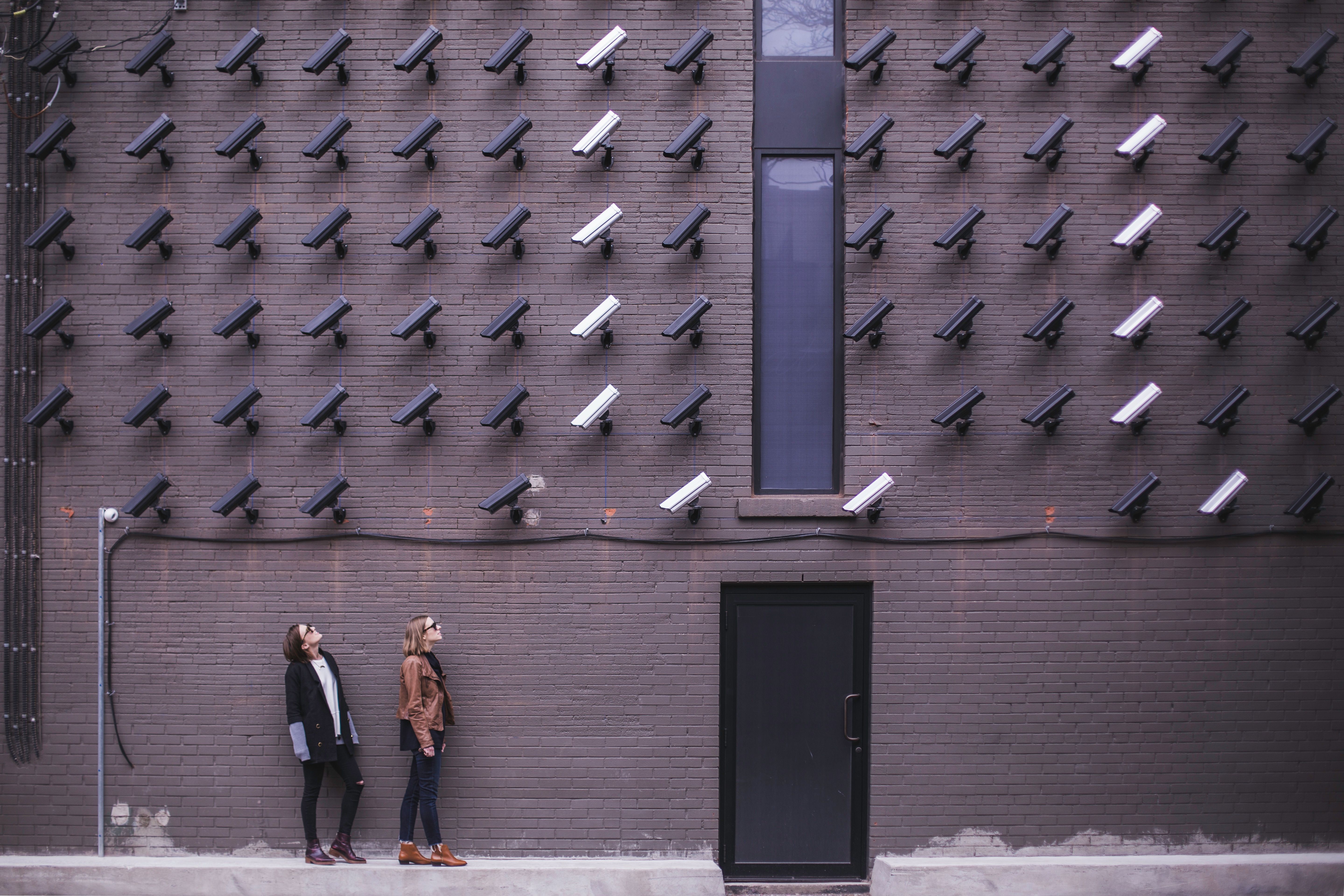
Cameras, access systems, sensors, analytics, and remote monitoring can observe a property around the clock. These tools improve visibility, preserve records, and notify responsible people when defined events occur.
However, technology does not understand every situation it records. Florida properties still need human judgment when an incident involves unclear behavior, public interaction, changing conditions, or an immediate response.
What Security Tasks Can Technology Handle?
Technology works well when the task involves continuous observation, identity verification, recordkeeping, or automatic notification. The value depends on correct placement, configuration, maintenance, and monitoring.
- Surveillance cameras can record entrances, parking areas, corridors, loading zones, and other defined locations.
- Access control systems can manage cards, codes, credentials, schedules, and permissions for approved users.
- Intrusion sensors can detect opened doors, broken glass, movement, or activity inside restricted areas.
- License plate systems can record vehicles entering and leaving parking areas or gated communities.
- Video analytics can flag selected events, such as line crossing, prolonged presence, or movement after hours.
- Intercom systems can connect visitors with staff, residents, tenants, or remote monitoring personnel.
- Digital logs can preserve access events, alerts, acknowledgments, and selected system activity for review.
- Remote monitoring can notify designated contacts when an alarm, camera, or access system requires attention.
These functions create useful information, but someone must decide what that information means. Properties can consult FCS Security Services to assess where technology can support security officers and where direct human coverage remains necessary.
Why Can Technology Not Fully Replace Security Guards?
Automated systems operate according to programmed rules. Security officers can observe context, communicate with people, adapt to changing conditions, and follow site-specific procedures.
Cameras Cannot Intervene
A camera may record trespassing, property damage, a dispute, or unsafe behavior. Recording alone does not change what is happening at the site.
An officer can assess the situation and follow approved instructions. Physical presence also gives occupants a visible person to approach when help is needed.
Alerts Need Human Interpretation
Motion, shadows, weather, animals, reflections, and ordinary activity can trigger automated alerts depending on system settings.
A person must compare the alert with the surrounding context. Human verification helps distinguish an actual concern from routine movement or a false alarm.
Visitors Ask Unplanned Questions
Delivery workers, contractors, customers, residents, and guests may arrive without complete instructions or encounter unexpected access problems.
An officer can explain procedures and contact an authorized person. Direct communication prevents confusion from becoming an avoidable confrontation.
Emergencies Change Quickly
A medical incident, fire alarm, evacuation, storm, power failure, or public disturbance may develop differently from the original alert.
Officers can observe changes and relay current details to management or emergency services. Real-time judgment supports a more informed response.
Visible Presence Can Influence Behavior
A clearly identifiable officer shows that access, conduct, and property conditions are being actively observed.
Businesses considering professional security guard services can combine visible coverage with cameras, access controls, and digital reporting.
Technology Can Fail
Cameras, readers, sensors, networks, power supplies, and monitoring platforms may stop working because of damage, outages, or poor maintenance.
An officer can identify a failed system and follow a temporary procedure. Operational redundancy matters when electronic safeguards become unavailable.
Florida Security Work Is Regulated
Florida regulates private security agencies and officers through the Florida Department of Agriculture and Consumer Services under Chapter 493.
Individuals performing security officer duties generally require a Class D license. Proper licensing remains important even when technology supports their work.
Where Do Guards and Technology Work Best Together?
The strongest security plan assigns each resource to tasks it can perform reliably. Technology provides reach and records, while officers provide interpretation, communication, and response.
- Gated Residential Communities
Access systems can verify credentials and record entry activity at gates used by residents, guests, vendors, and contractors.
Officers can address exceptions and explain community procedures. Combined gate coverage supports control without treating every entry problem as a threat.
- Commercial Office Buildings
Cards and mobile credentials can manage employee access while cameras observe entrances, elevators, reception areas, and restricted corridors.
A lobby officer can assist visitors and respond to irregular access. Layered building security supports both daily convenience and stronger oversight.
- Construction Sites
Cameras and sensors can monitor equipment, materials, fencing, storage areas, and access points after workers leave.
Officers can patrol areas cameras do not cover and report damage or hazards. Understanding what security guards check during patrols can help property managers ensure site conditions are monitored during weekends and shutdown periods.
- Retail Properties
Video systems can document activity around entrances, registers, stockrooms, loading areas, and parking spaces.
Officers can communicate with staff and respond according to store policy. Coordinated loss prevention depends on observation, documentation, and measured action.
- Hotels and Vacation Properties
Electronic locks can control guest rooms and selected amenities, while cameras monitor suitable public areas and entrances.
Officers can assist with disturbances, access disputes, or welfare concerns. Hospitality security must balance protection with respectful guest interaction.
- Events and Entertainment Venues
Ticket scanners, counters, cameras, and radios help teams monitor admissions, occupancy, queues, and restricted areas.
Officers can manage lines and communicate instructions when conditions change. Event security coordination becomes critical during arrivals, departures, or emergencies.
- Parking Areas
Cameras and plate systems can record vehicles, while call stations provide a way for people to request assistance.
Patrol officers can inspect blind spots, lighting faults, damaged barriers, or suspicious conditions. Mobile observation covers details fixed systems may miss.
How Should a Florida Property Choose the Right Balance?
A property should not begin by deciding between guards and technology. It should first identify assets, people, operating hours, access patterns, past incidents, and realistic response needs.
A risk-based plan can then assign automated tools, onsite officers, mobile patrols, or remote monitoring according to the purpose of each security measure.
- Identify the people, assets, information, and operations that require protection.
- Map entrances, exits, parking areas, blind spots, public spaces, and restricted locations.
- Review previous incidents, repeated complaints, unauthorized access, and system failures.
- Decide which events require recording, notification, verification, intervention, or emergency escalation.
- Confirm whether existing cameras, sensors, lighting, and access controls operate as intended.
- Define officer duties through clear post orders, reporting rules, and site-specific response procedures.
- Verify applicable Florida agency, officer, and firearm licensing requirements before assigning personnel.
- Review results regularly and adjust coverage as occupancy, operations, threats, or property layouts change.
Conclusion
Technology can watch, record, detect, and notify, but it cannot replace security guards in every Florida setting. Guards interpret context, communicate with people, follow site procedures, and respond as a situation changes. The stronger approach assigns technology to continuous observation and officers to judgment and action. Each property should build that balance from an onsite risk assessment.


Leave a Reply