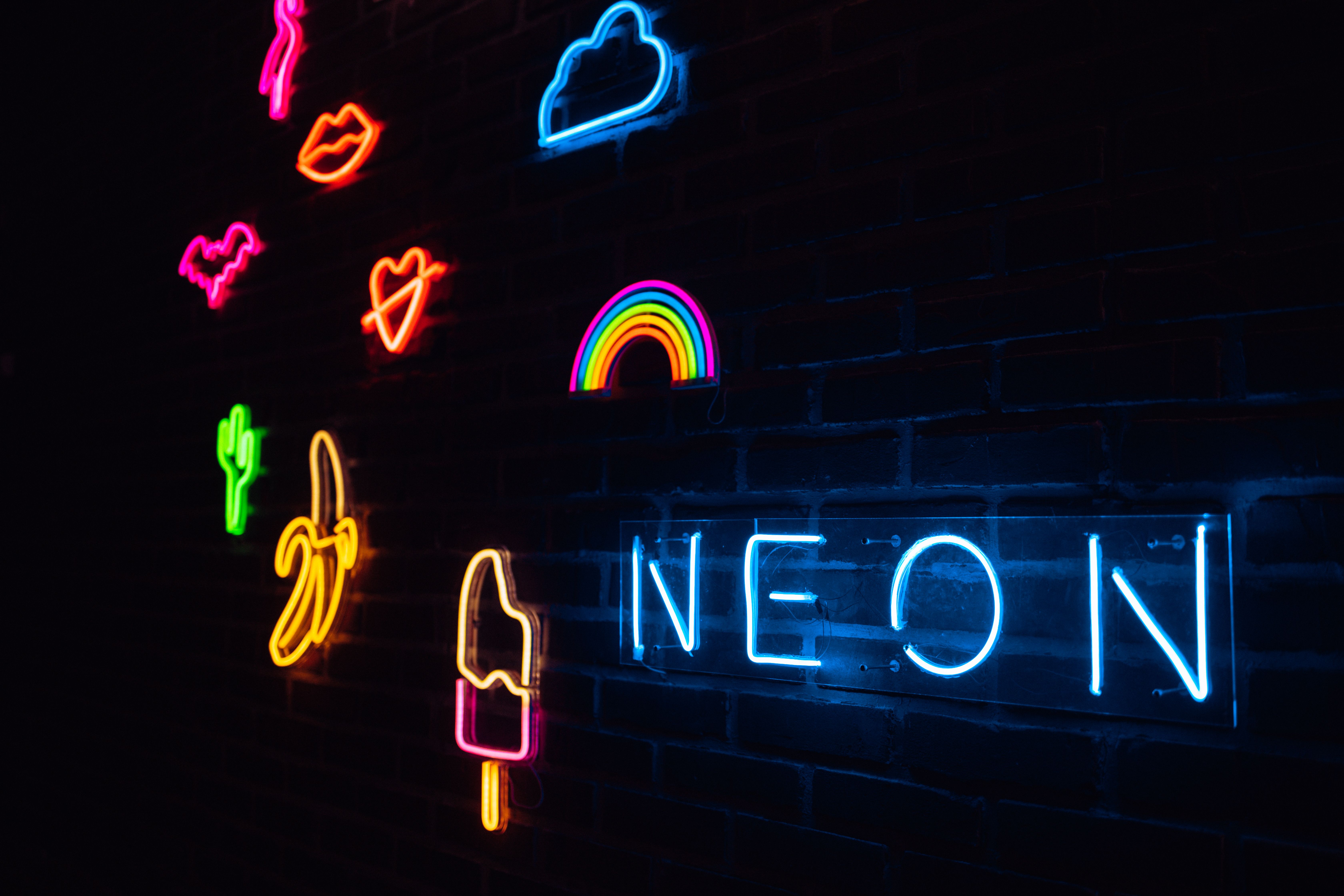
Bar owners compete on more than drinks and prices. Interior design, brand recognition, and customer experience all influence how people perceive a venue. Signage connects these elements by making a business easier to recognize and giving its space a distinctive identity.
Custom neon signs offer a practical way to achieve this. They combine illumination with visual branding, helping bars establish a recognizable atmosphere while supporting marketing efforts. Their value depends on thoughtful design, suitable materials, energy use, and placement.
How Neon Signs Strengthen Bar Branding
A bar’s visual identity should be consistent across its physical space, website, and social media profiles. Signage can reinforce that identity through a logo, brand name, slogan, or distinctive graphic. Unlike generic wall decorations, a custom sign can reflect the venue’s personality and target audience.
For example, a cocktail lounge might use warm lettering to support an intimate atmosphere. A sports bar could choose bold typography and brighter colors. A neighborhood pub might display a recognizable name or emblem that customers associate with the venue.
Businesses considering custom neon bar signs can tailor the wording, dimensions, colors, and design to suit their interiors. The goal is not simply to add light. It is to create a recognizable visual feature that supports the brand.
Consistent branding also makes marketing materials easier to coordinate. A sign that appears in customer photographs, promotional videos, and online listings can reinforce recognition across multiple channels.
Improving Customer Experience Through Lighting
Lighting affects how people perceive an interior. Brightness, color temperature, contrast, and positioning all influence visual comfort and atmosphere. Neon-style lighting provides an additional layer of design without requiring extensive structural changes.
A well-positioned sign can establish a focal point behind the bar, distinguish a seating area, or draw attention to an entrance. It can also help organize a large room visually by giving customers a clear reference point.
However, visibility requires more than brightness. Owners should consider the following factors when planning a sign:
- Viewing distance: Lettering must remain readable from the entrance and main seating areas.
- Contrast: The sign’s colors should stand out against the wall without clashing with surrounding finishes.
- Placement: Avoid locations where furniture, bottles, fixtures, or customers regularly obstruct the design.
- Glare: Position illuminated elements to reduce reflections on mirrors, windows, and glossy surfaces.
- Scale: Match the sign’s dimensions to the wall and the room’s overall proportions.
These details affect whether a sign works as an effective design feature or becomes visual clutter. A clear, appropriately sized installation usually delivers more value than an oversized design that competes with other elements.
Managing Energy Use and Operating Costs
Operating expenses influence every business decision, including decorative lighting. Bar owners should compare a sign’s power consumption, expected operating hours, maintenance requirements, and purchase price before committing to a design.
LED neon-style signs use light-emitting diodes rather than the gas-filled glass tubes used in traditional neon signs. They typically operate at lower temperatures and offer flexible shapes, making them suitable for many indoor branding applications. Traditional glass neon remains an option where its characteristic glow is part of the intended design.
The U.S. Department of Energy provides guidance on energy-efficient commercial LED lighting. Its recommendations emphasize evaluating efficiency, light output, and operating requirements rather than choosing fixtures on appearance alone.
For bar operators, the same principle applies to decorative signage. Request the sign’s rated power consumption and use it to estimate electricity costs. Multiply the wattage by daily operating hours and the number of operating days, then divide by 1,000 to calculate kilowatt-hours. Multiply that figure by the local electricity rate to estimate the running cost.
This calculation helps owners compare options and avoid unexpected expenses.
Supporting Social Media and Local Marketing
Distinctive interiors can provide customers with natural opportunities to photograph their visits. A recognizable illuminated logo or phrase can become a recurring feature in customer-generated content, particularly when placed near a suitable background or seating area.
That exposure is not guaranteed. The design must fit the audience, and the overall experience must give customers a reason to return. Still, signage can support a wider marketing strategy by creating a consistent visual element across in-person visits and online promotion.
Businesses can extend its usefulness by incorporating the sign into:
- Promotional photographs for social media campaigns.
- Images used on websites and local business listings.
- Event announcements and themed evenings.
- Brand materials for private bookings and special occasions.
A consistent visual identity makes promotional content easier to recognize. Owners should ensure that the sign remains legible in photographs and does not produce excessive glare or color distortion.
Choosing Materials, Installation, and Placement
Technical specifications matter as much as appearance. Before ordering a sign, owners should confirm its dimensions, mounting method, power requirements, cable routing, and suitability for the intended environment.
Bars present specific challenges. Humidity, cleaning chemicals, accidental impacts, and frequent changes to furniture layouts can affect installation decisions. Signs positioned near sinks, outdoor patios, or other damp locations require products rated for those conditions.
Measuring the Value of the Investment
Custom neon signage should serve a defined business purpose. Before purchasing, owners can establish a budget and identify what success looks like, whether that means stronger brand consistency, a more distinctive interior, or better promotional photography.
Review the sign after installation. Check visibility from key areas, inspect its condition, and gather customer feedback. If the sign appears in marketing materials, monitor engagement with those campaigns without assuming that every interaction results from the signage alone.
The value comes from combining design with practical execution. A well-planned sign can strengthen a bar’s identity, improve its visual atmosphere, and support ongoing marketing. When its cost, specifications, and placement align with the business’s needs, it becomes a functional branding asset rather than simply another decoration.




Leave a Reply