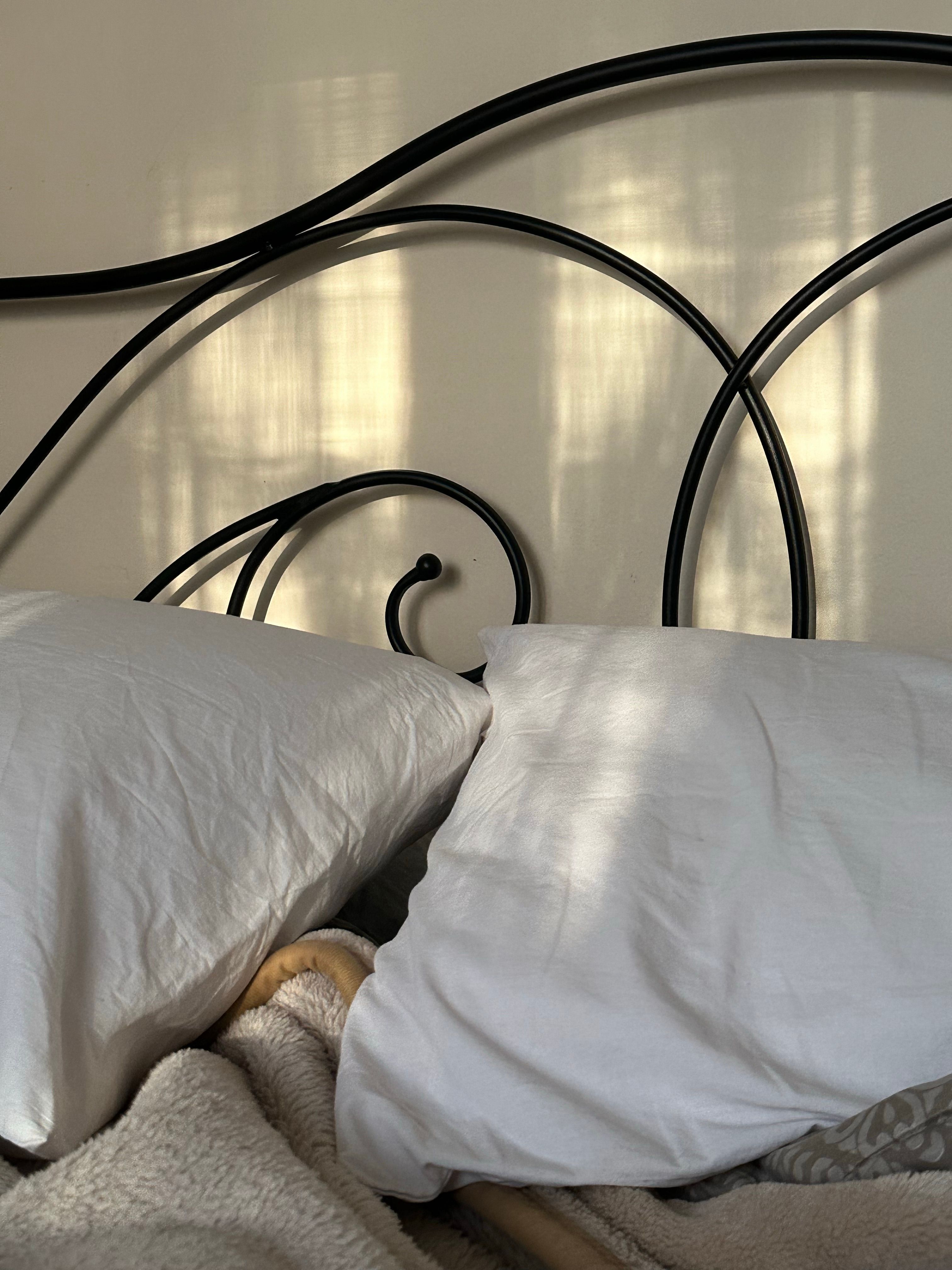
You change the bedsheets, straighten the pillows, and give the bedroom floor a quick vacuum. Everything looks fresh until you glance behind the headboard and notice a grey line of dust against the wall. A closer look reveals lint around the bed legs, hair caught along the frame, and small particles gathering beneath the mattress supports. These areas are easy to overlook because the bed itself hides much of the buildup.
Bedrooms collect dust even when they’re kept tidy. Bedding releases fibres, clothing contributes lint, and ordinary household particles settle on surfaces throughout the day. Dusting bedroom furniture and cleaning the floors around it, both part of the residential work of Yall Maid Austin Cleaning Services, address the surfaces where that dust settles.
The difficulty is that bed frames and headboards vary considerably in construction. A fabric-covered headboard holds dust differently from a polished wooden one, and a storage bed presents cleaning challenges that an open metal frame does not. For households arranging house cleaning services, understanding these differences can help identify which areas need routine attention and which require careful, material-specific treatment.
Why Dust Accumulates Around the Bed
A bed sits at the centre of several everyday activities that produce loose particles. Bedding is unfolded, straightened, and moved during sleep. Clothes are changed nearby, and people walk around the frame throughout the day.
Sheets, blankets, pillowcases, and clothing can release small fibres through ordinary use. Hair and skin particles also contribute to household dust. As air moves through the bedroom, some of this material settles on furniture and flooring.
The shape of a bed creates sheltered areas where particles remain undisturbed. A narrow space behind the headboard can catch dust moving along the wall. The underside of the frame may be difficult to reach with a standard vacuum attachment, allowing debris to collect around supports and bed legs.
Air movement affects the pattern. A fan, open window, or heating and cooling system can shift fine particles across the room. Dust may settle on the headboard’s upper edge or gather along the floor where the bed frame restricts airflow.
You may also notice that one side of the bed collects more dust than the other. Furniture placement, nearby textiles, and how frequently each side is used can all influence where particles accumulate.
The presence of dust does not automatically mean the bedroom is unusually dirty. It means that some areas are collecting material faster than regular cleaning reaches them.
Understand How Different Headboards Hold Dust
The headboard is often the most visible part of the bed, but its upper edge, rear surface, and decorative details may receive little attention.
Before cleaning, determine whether the headboard is upholstered, wooden, metal, or made from a combination of materials. The right method depends on its construction and finish.
Upholstered Headboards Trap Fine Particles
Fabric headboards are comfortable to lean against, but their fibres can hold dust, lint, and hair. Tufted designs create additional recesses around buttons and stitched sections.
A soft upholstery attachment may remove loose particles, provided the furniture manufacturer permits vacuuming. Use a suction level and tool suitable for the fabric.
Move gently along seams rather than forcing the nozzle into them. Strong suction can pull on loose stitching or disturb delicate coverings.
Pay attention to the top edge, where dust may remain even when the front panel looks clean. Fabric headboards positioned close to a wall can also collect particles on their rear surface.
Avoid spraying an upholstered headboard with ordinary furniture polish or all-purpose cleaner. The fabric may have specific care instructions, and excess moisture can reach padding that takes much longer to dry.
Wooden Headboards Need Finish-Safe Cleaning
Wooden headboards usually have smooth surfaces, but carved details and decorative panels can trap dirt.
Start with a soft, dry cloth to remove loose dust. For an intact finish that permits damp wiping, use only a small amount of a suitable cleaning solution and dry the surface afterward.
Water should not collect along joints or damaged edges. Veneered headboards may be particularly vulnerable where the decorative layer has started lifting.
Abrasive sponges can scratch wood finishes, while unsuitable polish may leave a coating that attracts more dust.
Metal Headboards Collect Dust Around Joints and Rails
Metal frames often have narrow bars and connecting pieces that make broad wiping awkward.
Use a soft cloth or brush to remove loose particles around accessible rails and decorative joints. Avoid products that could affect painted, plated, or polished finishes.
Check for loose fittings or corrosion while cleaning. These conditions require maintenance rather than stronger household chemicals.
If the frame is unstable or a decorative component is damaged, avoid pressing against it until the problem has been assessed.
Remove Dust Beneath the Bed Without Damaging the Frame
The space under a bed is often large enough for dust to accumulate but too low for an ordinary vacuum head to move freely.
Begin by looking underneath with a torch. Check for loose objects, forgotten clothing, cables, and other items that could obstruct cleaning equipment.
Remove accessible belongings before vacuuming. Avoid pushing items farther beneath the bed with a long attachment.
For an open bed frame, use a low-profile vacuum tool suitable for the flooring. Work carefully along the edges and move the attachment slowly enough to collect loose debris.
Pay attention to the legs and supports. Dust and hair can wrap around these areas, especially where the frame has crossbars close to the floor.
A storage bed requires a different approach. Drawers and lift-up compartments should be handled according to the furniture manufacturer’s instructions. Don’t force a heavy mattress platform open or reach beneath a raised section unless its support mechanism is secure and designed for that use.
For scheduled house cleaning services, the accessible floor around a bed may be a straightforward task, while compartments beneath the mattress or areas blocked by heavy furniture need different handling. The bed’s design determines how much of the space can be cleaned safely without moving or dismantling anything.
Avoid dragging bed legs across the floor to create access. Heavy frames can scratch wood and laminate, damage carpet, or place strain on their joints.
If the bed must be repositioned for a more thorough clean, use suitable help and follow any safety requirements for the furniture.
Watch for Dust Along the Wall Behind the Headboard
A headboard positioned against a wall creates a narrow gap where lint and fine dust can collect. Depending on the design, this space may be only a few centimetres wide.
Use a suitable soft vacuum attachment to collect accessible debris near the upper edge. Do not force a rigid tool behind the headboard, particularly if the wall has delicate paint or decorative wallpaper.
The wall itself may show marks that resemble dirt. Some are ordinary dust outlines, while others result from furniture rubbing against the paint.
If the finish allows gentle wiping, use the manufacturer’s recommended method on accessible sections. A dark patch that remains after appropriate cleaning may be scuffed or worn paint rather than removable residue.
Avoid introducing water into the gap. Moisture trapped against unfinished wood, upholstery backing, or a painted wall can create another problem.
Inspect the area for signs of dampness. Peeling paint, a persistent musty smell, or visible staining can indicate moisture that needs investigation before further cleaning.
If the headboard is attached to the wall, do not remove its mounting hardware merely to reach dust. Wall-mounted furniture may have safety fixings that must remain secure.
The sensible approach is to clean the accessible edges regularly and arrange deeper access only when it can be done without damaging the wall or furniture.
Keep Bedding and Nearby Textiles From Adding Unnecessary Dust
Much of the loose material around a bed comes from everyday textile use. That doesn’t mean bedding should be washed constantly, but caring for it appropriately can prevent avoidable buildup.
Wash sheets and pillowcases according to their care labels and household needs. Shake out or handle dusty fabrics carefully rather than sending large amounts of lint into the room.
When changing bedding, avoid dragging blankets across the floor. Place clean items on a suitable surface while removing used linens.
Decorative throws and cushion covers can also collect lint. Their washing frequency should depend on use and material, not simply whether they are displayed on the bed.
Curtains near the sleeping area may contribute loose dust, especially when they’re moved frequently. Clean them according to their material rather than assuming every fabric can be machine-washed.
The floor beside the bed deserves attention because loose fibres may gather there after changing clothes or bedding.
Yall Maid Austin Cleaning Services includes bedroom furniture dusting and suitable floor cleaning in its house-cleaning work. These tasks complement routine bedding care because dust on the headboard, bedside furniture, and floor can gradually move between nearby surfaces.
Keeping the areas around the bed clean is more manageable when textile care and ordinary dust removal happen regularly, rather than waiting until a thick layer has formed.
Recognise When Dust Is Accompanied by Another Problem
Not every mark around a bed is ordinary dust.
A dark patch behind the headboard could be a scuff, moisture stain, or a change in wall paint. A powdery deposit near damaged wood may come from deteriorating material rather than airborne household particles.
Inspect the bed frame if you notice loose joints, flaking coatings, or crumbling components. Cleaning cannot restore damaged supports or repair unstable furniture.
Unpleasant smells deserve attention too. Dust alone may not explain a persistent musty odor. Moisture trapped behind a headboard or beneath a storage bed can affect nearby surfaces and stored belongings.
Avoid covering the smell with fragrance before looking for its source. If staining or dampness is present, investigate the cause and arrange appropriate repair or assessment.
Evidence of pests requires a separate response. If you notice unusual spotting, shed insect skins, or live insects around the mattress and frame, identify the problem before applying cleaning chemicals. Suspected bed bugs, for example, require pest-specific inspection and treatment rather than ordinary dusting.
Never spray insecticides onto bedding or furniture unless the product is approved for the exact use and its label instructions are followed. For suspected infestations, qualified pest-control assistance may be necessary.
The aim is to recognise when a bedroom needs something other than surface cleaning. Repeated vacuuming will not correct moisture damage, structural problems, or a pest infestation.
Create a Simple Routine for Bed Frames and Headboards
Cleaning around the bed becomes easier when the work is divided into areas that need frequent attention and places where dust builds up more slowly.
During ordinary bedroom cleaning, vacuum or sweep accessible floor sections and wipe suitable bedside surfaces. Check the visible headboard edge for loose dust.
Periodically, inspect underneath the bed and behind the accessible parts of the frame. Remove forgotten objects and collect lint before it becomes tangled around legs or supports.
For upholstered headboards, follow the manufacturer’s instructions for vacuuming. Wooden and metal designs can receive gentle dusting as their finishes allow.
A practical routine doesn’t need to involve moving the entire bed every week. How often deeper attention is necessary depends on the amount of dust, the bed’s construction, and whether the room is used for activities beyond sleeping.
For households receiving house cleaning services, the usual bedroom maintenance can concentrate on accessible floors, furniture, and other agreed surfaces. Tasks that involve lifting a heavy mattress platform or dismantling furniture should be handled only when suitable arrangements and safe methods are available.
It’s also useful to keep the cleaning tools themselves in good condition. A vacuum with a clogged filter or dirty attachment may perform poorly and can transfer old debris onto freshly cleaned surfaces.
Change or clean vacuum attachments as recommended, particularly when moving between flooring and upholstered furniture.
Reduce Dust Without Turning the Bedroom Into a Constant Cleaning Project
A bedroom will continue collecting some dust because people sleep, dress, and move through it every day. The goal is not to eliminate every particle but to prevent heavy buildup in places that are difficult to reach.
Keep the floor beside the bed reasonably clear so vacuuming doesn’t require moving piles of clothing or storage boxes. Avoid storing loose fabrics directly beneath the frame if they make access difficult.
Where under-bed storage is necessary, use suitable containers that protect their contents and can be moved safely. Check that they don’t interfere with ventilation or the bed’s moving components.
Replace worn furniture pads that trap grit or scratch the flooring. Inspect decorative headboard details for loose components before brushing around them.
If the bedroom becomes dusty unusually quickly, look at obvious contributing sources. Frequently disturbed textiles, nearby renovation activity, and neglected ventilation filters may increase the amount of settled material.
A routine based on visible conditions is usually easier to maintain than one requiring every hidden corner to be cleaned on a rigid schedule.
The result should be a bedroom that remains comfortable to use without unnecessary scrubbing, damp cleaning, or heavy furniture movement.
Keep Bed Frames and Headboards Clean With Gentle, Regular Care
Dust gathers around bed frames because textiles release fibres, household particles settle from the air, and furniture creates sheltered spaces that are difficult to reach. Upholstered headboards trap material within their fabric, while wooden and metal designs tend to collect it along edges, joints, and decorative details.
The most practical approach is to identify the furniture material, remove loose debris with suitable tools, and clean only the areas that can be reached safely. Following the manufacturer’s instructions helps protect delicate upholstery, wood finishes, and moving bed mechanisms.
Routine house cleaning services can support the floor and furniture maintenance that keeps bedroom dust under control. Yall Maid Austin Cleaning Services provides bedroom cleaning that includes dusting furniture and caring for suitable floors, while damaged fittings, persistent moisture, and pest concerns require different attention.
A clean bedroom doesn’t depend on pulling the bed apart every few weeks. Regular care around the visible frame, occasional inspection of hidden spaces, and sensible textile maintenance can prevent dust from becoming a larger job.




Leave a Reply