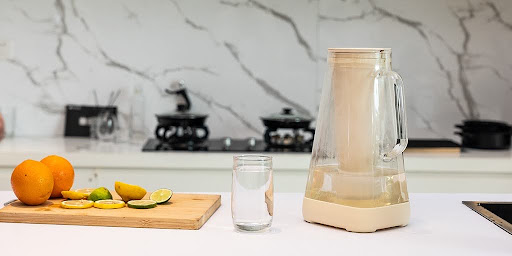
Access to clean and refreshing drinking water is an important part of everyday life. However, many households rely on bottled water because they prefer its taste or want a convenient alternative to tap water. Although bottled water can be useful in certain situations, regularly purchasing it may increase household expenses and create unnecessary plastic waste. A glass water pitcher offers a practical way to keep drinking water readily available at home while reducing the need to purchase single-use bottles. With a suitable filtration system, households can enjoy filtered water more conveniently and develop more sustainable hydration habits.
The Growing Need for Alternatives to Bottled Water
Bottled water has become a common choice for people who want drinking water that is easy to carry and store. However, depending on it every day can create several challenges. Regular purchases add to grocery expenses, while empty plastic bottles require proper disposal or recycling. Even when bottles are recyclable, their collection and processing require additional resources.
For families that consume several bottles daily, these costs and waste can accumulate over time. Choosing a reusable glass water pitcher with filter provides an alternative that can be refilled whenever needed. Instead of purchasing multiple bottles each week, households can prepare drinking water at home and store it in the refrigerator. This simple change can make everyday hydration more convenient while helping reduce household plastic consumption.
How Water Filter Pitchers Improve Everyday Convenience
One of the main advantages of a water filter pitcher is its ease of use. Most models are designed for simple filling, filtration, and storage, making them suitable for busy households. Users can pour tap water into the reservoir and allow it to pass through the filter before serving. This process provides a convenient way to keep filtered water available without installing a complicated system.
Many pitcher filters use activated carbon to reduce chlorine taste and odor. Some models also include ion-exchange materials or other filtration media designed to address specific substances. However, performance depends on the filter technology and its tested capabilities. Checking product specifications and certifications helps consumers understand which contaminants a particular model is designed to reduce.
Reducing Plastic Waste Through Reusable Water Storage
Reducing single-use plastic consumption is another reason households consider water filter pitchers. Bottled water often comes in disposable containers that may be used briefly before being thrown away or placed in recycling bins. When people purchase bottled water frequently, the number of containers they use can become significant.
A reusable pitcher supports a different routine. Families can fill it with tap water, keep it in the refrigerator, and refill it throughout the day. This reduces the need to open a new bottle whenever someone wants a drink. Over time, using reusable water storage can help households make more environmentally conscious choices.
The benefits also extend to daily activities. Filtered water can be used for filling reusable bottles before work, school, exercise, or travel. This makes it easier to avoid purchasing packaged water when leaving home.
Making Household Water Costs More Manageable
The cost of bottled water may seem small when considered one purchase at a time. However, buying several bottles every day or week can increase monthly grocery expenses. Households with multiple family members may notice these costs even more.
A pitcher filtration system involves an initial purchase and periodic replacement filters. Although these expenses should be included in the household budget, they may offer a more manageable alternative to frequent bottled water purchases. The overall savings depend on the price of bottled water, household consumption, pitcher capacity, and replacement filter costs.
Consumers should compare these expenses before choosing a product. Selecting a pitcher with an appropriate capacity and reasonably priced replacement cartridges can help create a practical long-term routine.
Choosing the Right Water Filter Pitcher
Not every water filter pitcher offers the same features or filtration performance. Before purchasing one, consumers should consider household size, storage space, capacity, material, and replacement filter availability. A smaller pitcher may work well for an individual or couple, while a larger household may prefer a model that holds more water.
Filtration claims also deserve attention. Buyers should review the manufacturer’s information and look for relevant independent testing or NSF/ANSI certifications. Different standards apply to different filtration claims, so it is important to confirm that the certification covers the specific contaminant reduction being advertised.
Maintenance is equally important. Filters should be replaced according to the manufacturer’s recommended schedule or capacity. The pitcher and its components should also be cleaned as instructed to maintain good hygiene and reliable performance.
Building Better Hydration Habits at Home
Keeping filtered water within easy reach can encourage family members to drink water throughout the day. A pitcher placed in the refrigerator provides a convenient option during meals, work breaks, and everyday activities. Preparing reusable bottles in advance can also make it easier to stay hydrated while away from home.
These small habits can gradually reduce dependence on packaged drinks. Families can also involve children in refilling reusable bottles, helping them understand the value of reducing waste and making thoughtful everyday choices.
Conclusion
Water filter pitchers offer a convenient alternative for households looking to reduce their reliance on bottled water. They can make filtered drinking water easier to access, help limit single-use plastic consumption, and potentially reduce recurring beverage expenses. By selecting a suitable model, following replacement guidelines, and using reusable bottles, households can establish practical habits that support convenience and more responsible water consumption. Over time, these simple changes can make everyday hydration easier while reducing the need for frequently purchased bottled water.



Leave a Reply