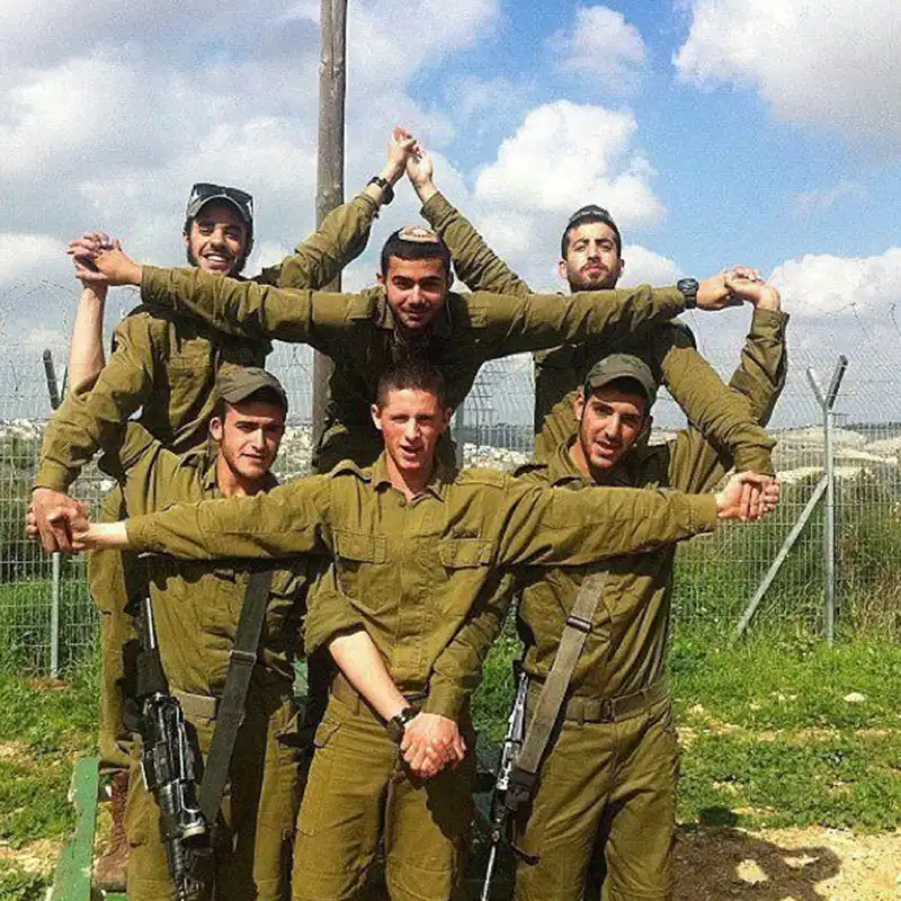
Israeli army uniforms receive a lot of praise online from soldiers and buyers, but in pictures, they look much like other military clothes. You may also wonder if this praise is just hype and has little to do with how well the clothing works. This uncertainty can make it difficult to select a uniform that you can feel good about for work, training, or outdoor activities.
The answer becomes clear when you look at how these uniforms are used. Soldiers wear them in hot weather, around fire, on long marches, and during tough daily tasks. For this reason, every component is created to handle actual challenges. These features are what make them different from regular military clothing.
This article will help you understand what sets these uniforms apart from others in the military, and why each is important to you.
1. Fire Resistance is Treated as a Core Military Requirement
Fire is one of the biggest risks a soldier can face, so safety begins with the fabric used to make the uniform. Many Israeli army uniforms use fire-resistant materials tested to meet standards approved by the IDF. This means the clothing is made to resist flames rather than catch fire and spread them across the body.
Even if you never work on a battlefield, this feature can still be useful. The same fabric can handle sparks, heat, and tough work better than regular cotton. This gives you an extra level of safety when working or training around hot tools and open flames.
Most everyday uniforms do not offer this feature because testing takes extra time and costs more money. Fire-resistant fabric must also remain comfortable, as soldiers need to wear it for many hours. This balance between safety and comfort is one clear reason these uniforms stand out from other military clothing.
2. Ventilation is Built In For Hot Conditions

While safety is a priority, comfort in hot weather is equally important. Israel has long and hot summers, and soldiers often spend many hours training outdoors. That is why makers incorporate features that allow air to pass through clothing.
Some shirts, for example, have small ventilation holes under the arms. These openings allow heat and sweat to escape from areas where your body gets warm quickly. Moisture-wicking fabric also helps by allowing moisture to flow away from the skin, which allows it to dry more quickly.
A hot uniform can make even the simplest of tasks difficult and slow you down. Good airflow helps prevent this problem during long days outdoors or inside warm buildings. This is why ventilation is considered an important design feature and not an added extra.
3. Joint Protection Is Built Into the Uniform Itself
Heat is not the only challenge soldiers face, as constant movement can also put pressure on the body. Soldiers kneel, crawl, and climb throughout the day, which puts extra stress on their knees and elbows. To deal with this, many uniforms have an extra layer of fabric around the knee area.
Some sets also come with elbow and knee pads for added protection on hard and rough surfaces. You won’t need to purchase any extra gear or worry about securing it in place. Rather, the protection is actually a part of the uniform and travels with your body as you work.
Extra support in areas that face the most pressure also helps the uniform last longer. This means the fabric does not wear thin as quickly in important areas. You receive clothing that is suited for everyday use and remains looking nice after all those wears.
4. Hybrid Fabrics Combine Strength With Stretch

Extra padding and fabric layers provide protection, but they can also make a uniform feel stiff if the material is not chosen carefully. To solve this problem, some modern uniforms use a mix of woven and knitted fabrics in one design. Woven sections provide strength, while knitted sections offer the stretch needed for easy movement.
This mix allows you to bend, reach, and run without feeling restricted. At the same time, the fabric can resist rubbing and damage from rough surfaces such as rocks and bushes. The result is clothing that can handle the demands of a full day.
Uniforms that focus on only one of these features may force you to choose between comfort and strength. A mixed design gives you both in one piece of clothing. Over time, this can make a big difference in how your body feels after a long and busy day.
5. Reinforced Waistbands And Closures Support Long Missions
Strong fabric is not enough if the small details of a uniform are poorly designed. A reinforced and padded waistband helps spread pressure, keeping the pants comfortable under a belt and heavy gear. Secure fasteners, such as Velcro and elastic, also help keep everything in place while you move.
Pocket design is important too, because you need to reach your tools easily. Deep hip pockets and chest pockets give you space to carry small items without using bulky bags. Utility loops also provide places to attach gear, keeping your hands free for the task.
Each of these features may seem small when you look at it alone. However, together, they can decide whether a uniform feels useful or uncomfortable after twelve hours of wear. This is why careful makers give small details as much attention as the main features.
6. Battlefield Testing Shapes The Final Design

All these design features come from one simple idea: learning from real use. Israeli soldiers wear their uniforms during training and active duty, giving makers direct feedback. If a seam tears or a pocket is in the wrong place, designers can change the design before making the next version.
Repeated testing and improvements help build uniforms around real needs instead of guesses. Some brands say their latest designs were made for IDF fighters and tested in the field. This helps ensure that the final product reflects what soldiers need in their daily work.
Every improvement made during testing helps make the next version of the uniform better. These designs are also useful for hikers, security staff, and outdoor workers who need strong and reliable clothing. This focus on real-world use makes these uniforms different from clothing made only to look like military wear.
Conclusion
Israeli army uniforms stand out because each feature is designed to meet a real need. Their main difference is not how they look on a hanger, but how they are designed, tested, and improved over time.
The next time you shop for a uniform, check how well it handles heat, daily wear, and movement before making your choice. These simple checks can help you find clothing that remains useful long after the first day. A good uniform should feel as if it was made to handle the demands of your busy day.


Leave a Reply