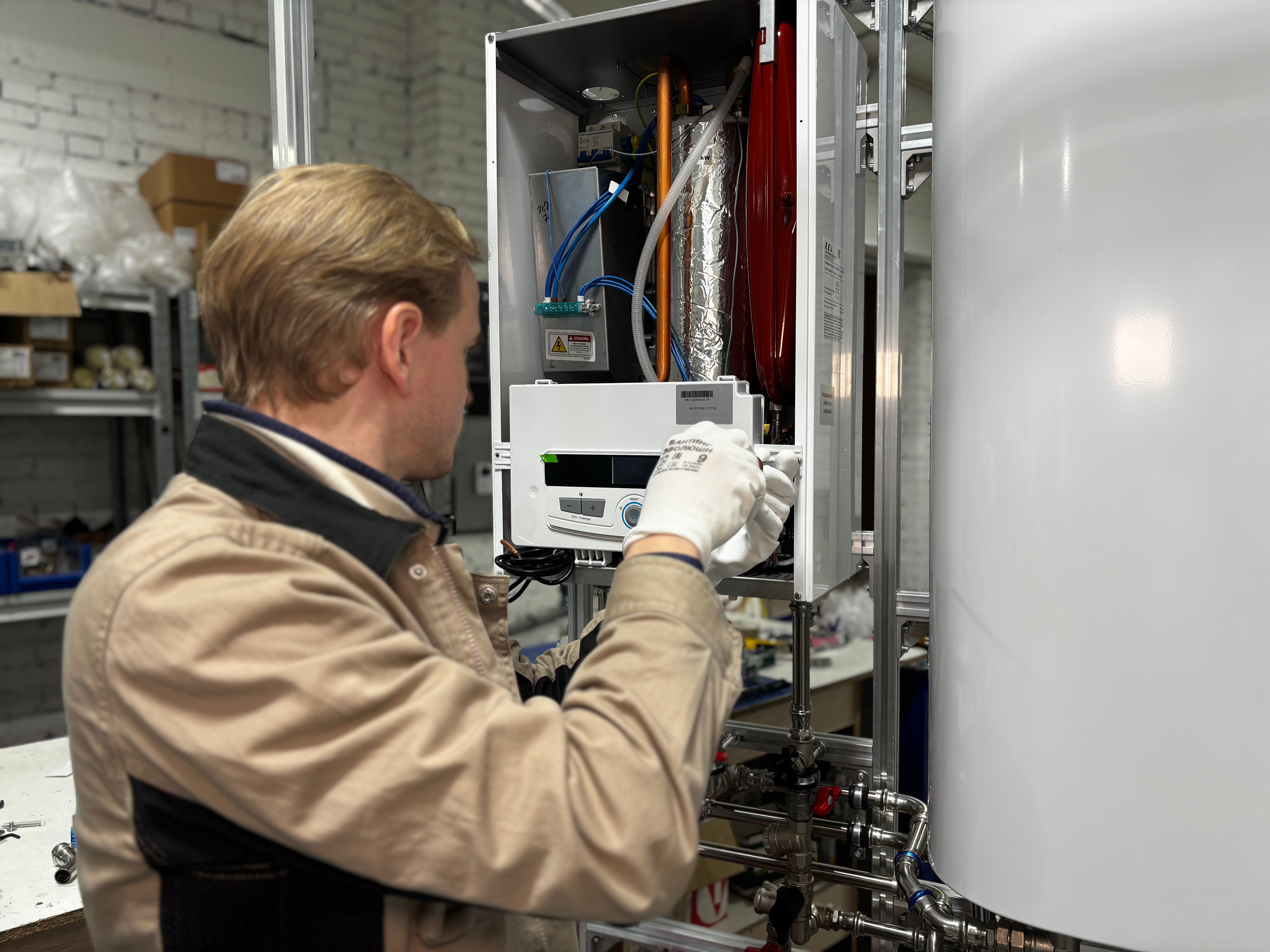
Your water heater works every day, quietly supplying hot water for showers, laundry, and dishes. Eventually, every unit wears out. Knowing how long water heaters last and recognizing the warning signs helps you plan for replacement before a sudden failure leaves you without hot water or causes a leak. When problems arise, professional plumbing repair can help you decide whether to fix or replace your unit.
Average Water Heater Lifespan by Type
Lifespan depends largely on the type of water heater:
- Traditional tank water heaters: Typically last 8 to 12 years.
- Tankless water heaters: Often last 20 years or more with proper care.
- Heat pump water heaters: Usually last around 10 to 15 years.
Factors That Shorten a Water Heater’s Life
Several conditions can cause a water heater to fail earlier than expected.
Hard Water and Sediment Buildup
Many parts of Florida have hard water, which contains high levels of calcium and magnesium. These minerals settle at the bottom of the tank, forming sediment that reduces efficiency, causes overheating, and accelerates corrosion.
Lack of Flushing and Maintenance
Without annual flushing, sediment continues to build up. Failing to inspect the anode rod, which protects the tank from rust, can also shorten its lifespan significantly.
Signs Your Water Heater Is Going Out
Most units give warnings before they fail completely. Watch for these signs water heater is going out and plan ahead:
- Hot water runs out faster than usual.
- Rusty or discolored hot water.
- Popping, rumbling, or banging sounds from the tank.
- Water pooling around the base of the unit.
- Fluctuating water temperatures.
Repair or Replace: How to Decide
Minor issues such as a faulty thermostat, heating element, or valve can often be repaired. However, water heater replacement is usually the better choice if the unit is more than 10 years old, the tank is leaking, or repair costs are approaching the price of a new unit.
Tankless vs. Tank Water Heater: Which Is Better?
When comparing tankless vs tank water heater options, consider your household needs. Tankless models heat water on demand, save space, and last longer, but they cost more upfront. Tank models have lower installation costs but use energy to keep stored water hot. Your water usage and budget will help determine the best fit.
How to Extend the Life of Your Water Heater
- Flush the tank once a year to remove sediment.
- Inspect and replace the anode rod as needed.
- Set the temperature to around 120°F.
- Consider a water softener in hard water areas.
- Schedule professional inspections.
When to Call a Plumber
Call a licensed plumber if you notice leaks, rusty water, strange noises, or inconsistent hot water. Prompt attention can prevent water damage and help you choose the most efficient replacement for your home. A plumber can also check the temperature and pressure relief valve, inspect connections, and confirm that a new unit is sized correctly for your household’s hot water needs.
Leave a Reply