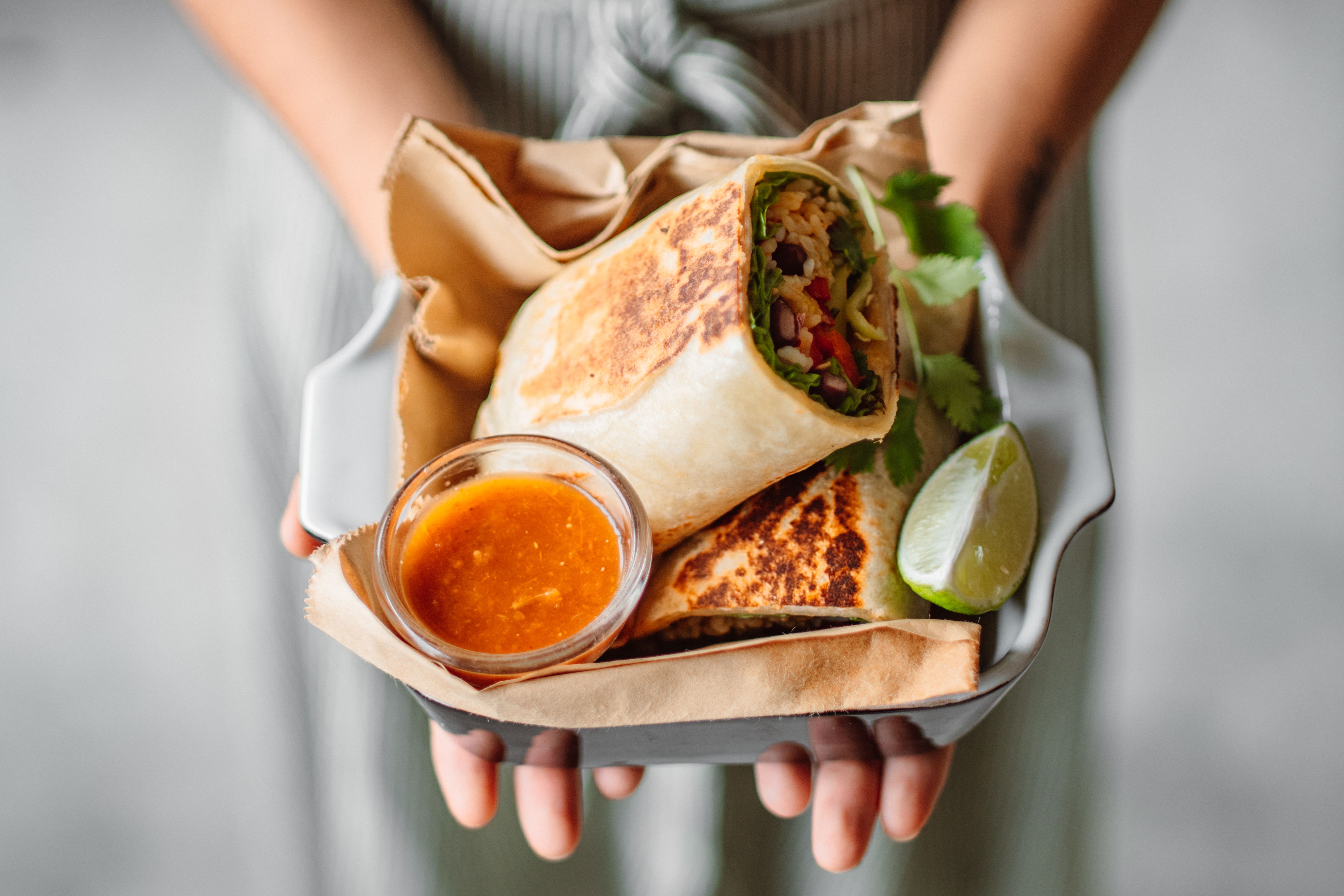
Seven dollars and forty minutes. That’s roughly what a single burrito bowl costs you when you order delivery on a Tuesday, and it’s the reason so many weeknights turn into a sad rotation of the same three takeout spots. There’s a faster move most people never try: build the bowl at home from a refrigerated Latin meal, add two or three fresh things from your own kitchen, and be eating in under ten minutes.
The trick isn’t finding a magic product. It’s knowing which components carry the flavor so you don’t have to. A bowl built around guajillo chicken already has the rice, beans, corn, and a chile salsa doing the heavy lifting, which means your job shrinks to texture, freshness, and heat. That’s a much smaller ask than cooking a whole bowl from raw ingredients on a weeknight.
Here’s what this guide covers: how to shop the refrigerated aisle without guessing, how to dress up a pre-built bowl so it tastes like you made an effort, and the reheating mistakes that turn a good bowl into a mushy one. You’ll also get a simple framework for building bowls your household will actually request again.
Why refrigerated Latin meals fit the way people eat now
The prepared and refrigerated meal category has grown because households got smaller, schedules got stranger, and cooking every night stopped being realistic for a lot of people. According to the U.S. Census Bureau, a large share of American households now consist of one or two people, which changes portion math completely. A full from-scratch burrito bowl recipe makes four to six servings. A single refrigerated bowl makes one, and that’s often exactly right.
I’d pick a refrigerated bowl over a frozen one almost every time for a weeknight dinner. The texture holds up better after a short reheat, the vegetables keep some bite, and you’re not waiting on a 45 minute oven cycle. Frozen wins on shelf life. Refrigerated wins on Tuesday.
What matters is reading the label like a shopper instead of skimming it. Look at the protein number first, then the sodium, then the ingredient list. If chicken or pork shows up early and the list reads like food rather than a chemistry set, you’re in decent shape.
Where to actually find these bowls
Most refrigerated Latin meals live in the deli or prepared foods case, not the freezer aisle, and that’s where people lose them. Walk past the rotisserie chickens and look for the grab-and-go section near the salad kits. If your store buries them near the cheese wall, ask a deli clerk. Nine times out of ten they’ll point you straight to it.
Store-brand versions exist and they’re fine, but flavor tends to flatten out. A bowl with a named chile in the sauce, like guajillo or ancho, usually carries more depth because the pepper isn’t just a color additive. Buy one of each the first time, taste them side by side, and let your own tongue settle the argument. That’s a twenty minute experiment with a permanent payoff.
One more shopping note: check the sell-by date and buy the bowl you’ll eat within two days. Refrigerated meals are meant to be eaten fresh, and a bowl that’s been sitting in your fridge for a week won’t reward you.
The Three-Layer Bowl framework
This is the part I’d tape to the inside of a cabinet. Every good burrito bowl, whether it comes from a restaurant line or your own kitchen, hits three layers. Miss one and the bowl feels flat, no matter how good the base is.
- Base: the grain, protein, and sauce already in the bowl. Don’t touch it.
- Fresh layer: something raw and cold with acid or crunch. Diced tomato, shredded cabbage, quick-pickled red onion, a squeeze of lime.
- Finishing layer: something rich or salty that hits at the end. Crumbled cotija, a spoon of sour cream, crushed tortilla chips, pickled jalapeno.
You only need one item from each of the last two layers. Two fresh things and one finishing thing is plenty. I keep pickled onions in the fridge for exactly this reason; they take fifteen minutes to make and they last a couple weeks, and they single-handedly make a store-bought bowl taste like a restaurant one.
Reheating without wrecking the texture
Microwave on high for three minutes and you’ll get rubbery chicken and gummy rice. The fix is lower power and a splash of water. Peel the film back, add a teaspoon of water, cover loosely, and run it at 70 percent power for about two and a half minutes. Stir once, then finish for another thirty seconds if needed.
According to the U.S. Food and Drug Administration, leftovers and reheated prepared foods should reach an internal temperature of 165 degrees Fahrenheit to be safe to eat. That’s a number worth keeping in your head, and a cheap instant-read thermometer takes the guesswork out of it.
If you’ve got an air fryer, use it. Empty the bowl into the basket, drizzle a little oil, and run it at 350 for about four minutes, shaking once. The rice crisps at the edges and the corn chars a bit, which is closer to what you get from a restaurant line than anything a microwave will do.
A weeknight scenario that actually works
Picture a Wednesday. You got home at 6:40, the kids are circling the kitchen, and nobody has the patience for a recipe. You pull two bowls from the fridge, reheat them while you chop half a tomato and pull a jar of pickled onions out, and set out a small dish of sour cream and a bag of chips. Dinner’s on the table in nine minutes, and everyone builds their own bowl at the counter.
That last part matters more than it sounds. Letting people assemble their own bowl turns a reheat into a meal, especially with kids who want to control how much heat they get. Set out the jalapenos separately and let the spice-averse crowd skip them. You just made dinner a small event instead of a chore.
Common mistakes to skip
Don’t dump extra salsa on top before reheating. The sauce is already balanced, and more liquid pushes the rice toward mush. Add fresh salsa after the bowl comes out of the heat, if you add it at all.
Don’t skip the rest time. Pull the bowl out, let it sit for two minutes, then stir. That’s when the sauce redistributes and the rice stops steaming.
And don’t buy five bowls at once thinking you’ll eat them all week. Refrigerated meals have a short window. Buy two or three, eat them within a couple days, and go back for more. Stockpiling is how good food goes bad in the back of the fridge.
Why this beats a takeout habit
You’re not just saving money, though you are. You’re cutting the decision fatigue that makes people order the same bowl from the same app four times a month. A stocked fridge with two or three refrigerated bowls, a jar of pickled onions, and a bag of chips gives you a fallback dinner that doesn’t require scrolling, waiting, or tipping.
And the flavor ceiling is higher than people expect. A bowl with a real chile sauce, fresh crunch, and a salty finish holds up against most of what’s on a fast-casual menu.
Start smaller than you think you should. Buy one bowl, one lime, and one jar of pickled onions this week. Build it, taste it, and adjust. Then tell me what finishing layer you’d add that I didn’t mention.




Leave a Reply