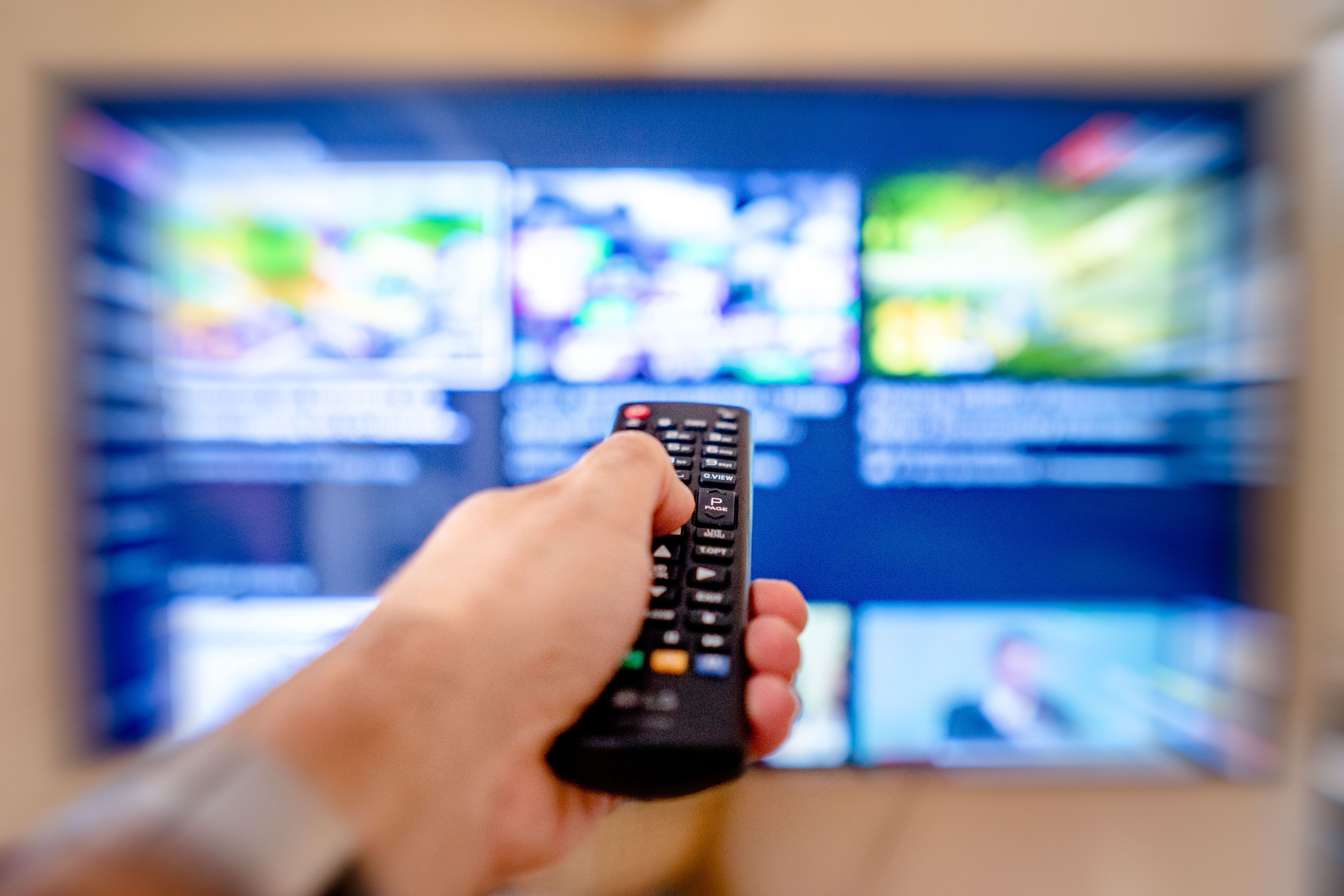
Introduction: The Evolution of Television Shopping
Television has always played an influential role in shaping consumer interests. From introducing new fashion trends to showcasing innovative kitchen appliances, beauty products, and everyday lifestyle essentials, television programs have long helped audiences discover products they might not have encountered otherwise.
What has changed is the way viewers respond to these recommendations. Instead of simply watching a product demonstration and visiting a local store later, consumers can now research featured products, compare prices, read customer reviews, and complete purchases online. This connection between television entertainment and digital shopping has created a more interactive shopping experience.
TV shopping is no longer limited to traditional shopping channels. Morning shows, daytime talk shows, lifestyle programs, and product-focused segments have become additional discovery points for brands and consumers. As shopping habits continue to evolve, television remains an interesting part of the modern retail landscape.
1. The Evolution of Television Shopping
Television shopping has undergone a significant transformation over the years. What began with dedicated home-shopping channels and televised product demonstrations has expanded into mainstream entertainment and lifestyle programming.
Traditional television shopping relied heavily on direct selling. Presenters introduced products, explained their features, demonstrated how they worked, and encouraged viewers to place orders through telephone numbers displayed on screen. This format gave consumers an opportunity to see products in action before making a purchase.
Over time, shopping became a more integrated part of television programming. Rather than dedicating entire broadcasts to selling products, many lifestyle and entertainment shows began incorporating product recommendations into their regular content.
Today, viewers may discover a skincare product during a morning show, learn about a kitchen gadget during a lifestyle segment, or see a new fashion accessory featured in a daytime television program.
The internet has made this experience even more convenient. Viewers can search for a product immediately after seeing it on television, explore additional details, and decide whether it suits their needs.
This shift demonstrates how television shopping has adapted to changing consumer expectations without losing its original appeal: helping people discover useful products through demonstrations and recommendations.
2. How Television Shows Influence Consumer Buying Decisions
Television shows can influence shopping decisions by introducing products in familiar and engaging environments.
Unlike conventional advertisements that focus primarily on selling, product segments within entertainment and lifestyle programming often provide additional context. Viewers may see how an item works, understand its intended purpose, and learn about the problems it is designed to solve.
Several factors contribute to this influence.
- Product visibility: Television gives brands an opportunity to introduce their products to audiences who may not actively be searching for them. A viewer watching a morning program, for example, might discover a useful household accessory or beauty product unexpectedly.
- Demonstration and explanation: Seeing a product in use can help consumers understand its practical value. A kitchen appliance demonstrated during a cooking segment may be easier to evaluate than one described through a written advertisement alone.
- Familiarity with presenters: Regular television personalities can create a sense of familiarity with their audiences. When they introduce a product, viewers may become interested in learning more about it.
- Convenient product discovery: Television segments can introduce several products within a short period, allowing viewers to explore different categories without having to search for every item independently.
However, television exposure should be considered a starting point rather than a guarantee of product quality. Consumers still benefit from researching specifications, checking independent reviews, and comparing available purchasing options.
3. The Power of Product Demonstrations and Expert Recommendations
One of the strongest advantages of television shopping is the ability to demonstrate a product visually.
A photograph can show what a product looks like, and a written description can explain its features. A demonstration can provide another layer of understanding by showing how the product functions in a real-world situation.
Consider a multi-purpose kitchen appliance. A television segment might demonstrate how it handles different ingredients, explain its available settings, and show how easily its components can be cleaned. These details can help viewers decide whether the appliance offers practical value for their household.
Beauty and personal-care products also benefit from demonstrations. A presenter might explain how a product is applied, describe its texture, or discuss the features that distinguish it from similar options.
Expert commentary can add useful context as well. When a knowledgeable guest explains product materials, design considerations, or practical applications, viewers receive information that may help them ask better questions before purchasing.
Nevertheless, consumers should distinguish between a demonstration, a personal recommendation, and independently verified product performance. A positive presentation does not replace checking ingredients, product specifications, warranties, or suitability for individual needs.
The most useful product segments encourage curiosity and provide enough information for viewers to continue their research.
4. Why Morning Shows Have Become Popular Shopping Destinations
Morning television programs occupy an interesting position between entertainment, news, and lifestyle content. Their programming often covers subjects that naturally connect with everyday purchasing decisions.
Fashion, home organization, cooking, beauty, wellness, and seasonal lifestyle trends are common subjects across daytime programming. These categories also include products that viewers may want to explore further.
Shopping segments fit naturally into this format because they offer practical information alongside entertainment.
For example, a morning show might introduce:
- Home and kitchen accessories designed to simplify everyday tasks.
- Beauty and skincare products from emerging or established brands.
- Fashion accessories suitable for different occasions.
- Travel essentials for people planning upcoming trips.
- Household products that address common organizational challenges.
- Seasonal gift ideas for holidays and special occasions.
Some television programs also feature special shopping segments that highlight selected products and provide information about where viewers can find them.
For consumers, these segments can serve as an introduction to brands and products that might otherwise remain outside their usual shopping searches.
The important distinction is that viewers should treat featured products as recommendations worth investigating, not automatic purchasing decisions.
5. From Television Screens to Online Shopping
The relationship between television and online shopping has become increasingly convenient.
In the past, viewers often needed to remember a product’s name, search for a retailer, or wait until the next day to find more information. Today, a quick online search can help identify a featured product and lead consumers to additional product information.
This is particularly useful for viewers who miss a segment or want to revisit a product after a program has ended.
Websites that organize information about television shopping segments provide another way to explore these products. For instance, consumers looking to find today view your deal can use View Your Deal Today to explore products and shopping offers associated with popular television segments, including those featured on daytime programs.
Having access to this information online can make it easier to revisit product discoveries, identify featured items, and explore available purchasing options at a convenient time.
However, consumers should always verify current prices, product availability, shipping costs, and promotional conditions directly with the retailer before placing an order. Television offers and product promotions may change after their original broadcast.
6. How Consumers Can Research Featured Products Before Buying
Discovering an interesting product on television can be exciting, but making a well-informed purchase requires a little additional research.
A few simple steps can help shoppers separate genuinely useful products from purchases that may not meet their expectations.
- Start with the product’s intended purpose. Before considering the price, identify what the product is designed to do. Think about whether it addresses a genuine need or simply looks appealing during a demonstration.
- Compare specifications and features. Check the product’s dimensions, materials, included accessories, technical specifications, and any relevant usage requirements. For electronics and appliances, compatibility and warranty coverage may also be important.
- Read independent customer reviews. Customer feedback can reveal practical details that may not be covered during a television presentation. Look for recurring comments about durability, ease of use, performance, and customer service.
- Compare prices across retailers. A product featured during a television segment may also be available through other retailers. Comparing prices can help determine whether an advertised promotion represents meaningful savings.
- Understand promotional conditions. Some offers may involve limited-time discounts, digital coupons, membership requirements, or additional purchasing conditions. Read the terms carefully rather than relying only on the advertised price.
- Check the seller before ordering. Make sure the purchasing website is legitimate and provides clear information about shipping, returns, refunds, and customer support.
These habits allow consumers to enjoy television-inspired product discovery while remaining in control of their purchasing decisions.
7. The Growing Connection Between Lifestyle Content and Online Deals
The growing connection between lifestyle entertainment and digital shopping reflects a broader change in how consumers discover products.
People no longer depend on a single source when deciding what to buy. They may first see an item on television, search for it online, watch additional demonstrations, compare retailers, and read reviews before making a final decision.
This process creates opportunities for lifestyle publishers, product discovery websites, and retailers to provide useful information at different stages of the shopping journey.
For publishers, the most valuable approach is to go beyond simply repeating promotional messages. Readers benefit more from content that explains what a product does, who might find it useful, what features deserve attention, and what questions should be answered before purchasing.
For retailers and brands, television exposure can introduce products to new audiences, while digital platforms give interested consumers a convenient way to continue researching.
The combination of entertainment, product education, and online accessibility is likely to remain an important part of modern shopping experiences.
It also highlights why transparency matters. Consumers should be able to distinguish editorial recommendations from paid promotions, understand whether an offer is still available, and identify where a purchase will actually take place.
8. Conclusion: The Future of Television-Inspired Shopping
Television shopping has evolved from a direct-selling format into a broader product discovery experience that connects entertainment with digital commerce.
Morning shows and lifestyle programs continue to introduce audiences to fashion, beauty, home, kitchen, and everyday lifestyle products. Their demonstrations and discussions can inspire viewers to explore unfamiliar brands and consider products they might not have discovered through conventional shopping searches.
At the same time, online resources make it easier to revisit featured products, research their specifications, compare prices, and review purchasing options after a broadcast has ended.
For modern consumers, the best approach is to combine the convenience of television-inspired discovery with careful online research. By evaluating product quality, checking independent feedback, and understanding promotional conditions, shoppers can make decisions that reflect their actual needs rather than the excitement of a television presentation.
As entertainment and digital retail continue to intersect, television will remain an interesting starting point in the journey from product discovery to an informed purchasing decision.




Leave a Reply