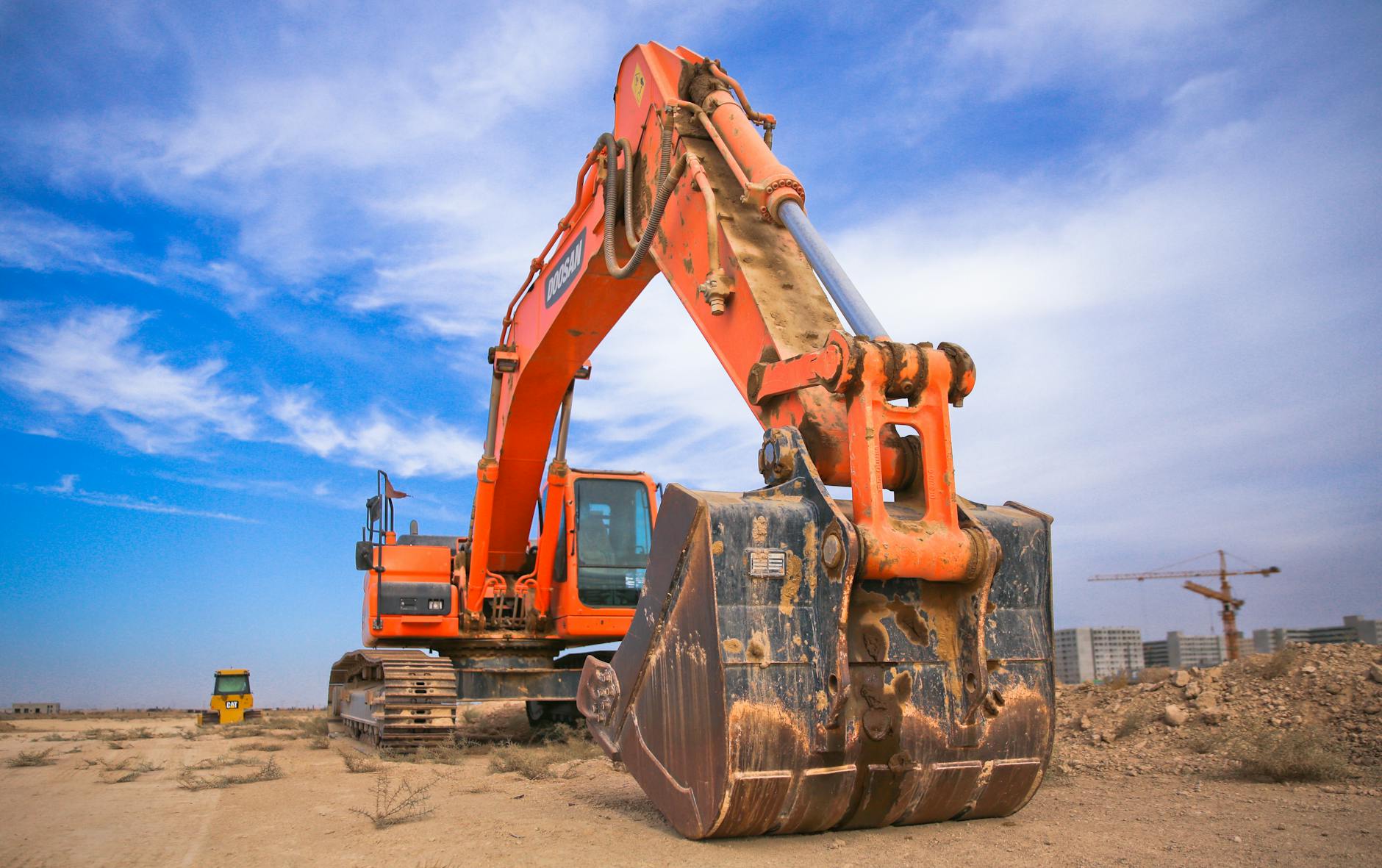
Over the years, technology has completely transformed how ports operate, revolutionizing the handling and transportation of goods. Gone are the days of relying solely on manual labor. Today, cranes and conveyor systems have become indispensable tools in port logistics, marking a significant shift in efficiency and speed. As we explore these transformations, consider exploring a guide on writing reflection papers by EssayPro to master this field effectively.
In the past, ports depended heavily on manual labor for loading and unloading cargo. Stevedores worked tirelessly, managing every aspect of logistics by hand. This labor-intensive approach often led to delays and inefficiencies.
However, with the introduction of cranes, everything changed. These towering machines brought a new era of efficiency, swiftly moving heavy cargo between ships and ports. By reducing the need for manpower and speeding up operations, cranes have revolutionized the logistics landscape.
As demands for efficiency grew, conveyor systems emerged as a game-changer in port logistics. These systems use belts, rollers, and motors to automatically move goods around the port. They’ve significantly boosted the speed and accuracy of handling cargo, leading to higher throughput and lower labor costs.
But the evolution of port logistics didn’t stop there. Digital technologies have reshaped operations further. Ports now leverage automation and data analytics to streamline tasks. Automated guided vehicles (AGVs) are commonplace, autonomously ferrying containers between areas, reducing manual work and enhancing efficiency.
Internet of Things (IoT) devices have also played a pivotal role. Sensors on containers, cranes, and equipment gather real-time data on location, status, and performance. This data empowers port operators to make informed decisions and optimize processes effectively.
The Role of Technology in Modern Port Logistics
Let’s delve deeper into how various technological advancements are transforming the landscape of port management:
- Smart Port Technologies: Ports are increasingly adopting smart technologies to optimize resource allocation and energy consumption. Smart grids manage electricity distribution more efficiently, while smart lighting systems adjust brightness based on environmental conditions. Additionally, automated mooring systems and berth planning software optimize berth occupancy and reduce waiting times for vessels.
- Data Analytics and Predictive Maintenance: Advanced analytics tools analyze vast amounts of operational data to identify patterns and predict maintenance needs. Predictive maintenance programs reduce downtime by preemptively addressing equipment failures before they occur, ensuring continuous operation and minimizing disruption to port activities.
- Environmental Monitoring and Sustainability Initiatives: Technology also supports ports in achieving sustainability goals. Environmental monitoring systems track air and water quality, helping ports comply with environmental regulations. Furthermore, innovations in alternative fuels and energy-efficient technologies contribute to reducing carbon footprints and mitigating environmental impact.
- Cybersecurity Measures: With increased digitization comes the need for robust cybersecurity measures. Ports invest in cybersecurity solutions to protect sensitive data and operational systems from cyber threats, ensuring uninterrupted operations and safeguarding against potential disruptions.
The Future of Technology in Port Logistics
Looking ahead, the future of technology in port logistics promises even greater advancements and innovations that will further revolutionize how ports operate and serve global supply chains. Here are some key trends and developments expected to shape the future:
- Artificial Intelligence (AI) and Machine Learning: AI and machine learning algorithms will play a pivotal role in optimizing port operations. These technologies can analyze vast amounts of data to predict demand patterns, optimize resource allocation, and improve overall efficiency. AI-powered systems will also enhance decision-making processes, such as route planning for vessels and predictive maintenance for equipment.
- 5G Connectivity and Edge Computing: The rollout of 5G networks will enable faster and more reliable communication between devices and systems within ports. This high-speed connectivity will support real-time data processing and enable edge computing, where data is processed closer to its source, reducing latency and improving response times for critical operations.
- Blockchain Technology: Blockchain has the potential to transform supply chain transparency and efficiency. In port logistics, blockchain can streamline documentation processes, enhance traceability of goods, and improve trust and security in transactions between stakeholders. Smart contracts based on blockchain technology can automate payment settlements and reduce administrative overhead.
- Autonomous Shipping and Drones: The development of autonomous ships and drones will reshape cargo transport and logistics within ports. Autonomous vessels equipped with AI navigation systems can optimize routes, reduce fuel consumption, and enhance safety. Drones can be used for surveillance, inspection of infrastructure, and monitoring of environmental conditions in and around ports.
- Augmented Reality (AR) and Virtual Reality (VR): AR and VR technologies will enhance training programs for port personnel and improve operational efficiency. AR can provide real-time information overlays for maintenance tasks, while VR simulations can be used for virtual training scenarios in complex operational environments, enhancing safety and reducing training costs.
- Environmental Sustainability Innovations: Continued focus on environmental sustainability will drive innovation in green technologies within ports. This includes the adoption of alternative fuels, such as LNG (liquefied natural gas) and hydrogen, for maritime vessels and equipment. Renewable energy sources like solar and wind power will further reduce carbon emissions and operational costs.
- Predictive Analytics and Continuous Improvement: Advancements in predictive analytics will enable ports to move towards predictive maintenance and continuous improvement strategies. By leveraging historical data and machine learning algorithms, ports can anticipate equipment failures, optimize maintenance schedules, and enhance overall reliability and uptime.
- Cybersecurity and Data Protection: As digitalization expands, cybersecurity will remain a critical priority. Ports will continue to invest in robust cybersecurity measures to safeguard sensitive data, operational systems, and critical infrastructure from cyber threats and attacks.
Challenges and Opportunities in Technological Transformation
While the benefits of technological transformation in port logistics are undeniable, they are not without challenges. Addressing these challenges is crucial to ensure a smooth transition and maximize the benefits of technology.
One of the challenges is the need for significant investments in infrastructure and technology upgrades. In order to fully embrace automation and digitalization, ports must be equipped with the necessary hardware, software, and networking capabilities. This requires a substantial financial commitment from port operators and stakeholders.
However, with challenges come opportunities. Seizing the opportunities presented by technological advancements can lead to significant competitive advantages. Ports that embrace technology and adapt to changing market demands can position themselves as hubs of innovation, attracting increased business and enhancing their global standing.
To overcome the challenges associated with technological transformation, collaboration and strategic partnerships play a vital role. Port operators, technology providers, and other stakeholders must work together to develop innovative solutions that address the specific needs and requirements of the industry.
Furthermore, governments and regulatory bodies also play a crucial role in fostering technological advancements in port logistics. Creating a conducive environment for innovation through policies and incentives can encourage investments and ensure a smooth transition to a technologically-driven future.
Seizing Opportunities in the Technological Era
Ultimately, the successful transformation of port logistics lies in the hands of those involved in the industry. Embracing technology, investing in infrastructure, and fostering a culture of innovation are key steps towards seizing the opportunities presented by the technological era.
Port operators must stay abreast of emerging technologies and proactively explore how these advancements can improve their operations. By harnessing the power of technology, ports can streamline processes, enhance efficiency, and ultimately drive the growth of the global supply chain.
Last Thoughts
In summary, technology has revolutionized port logistics, from cranes to conveyors. Moving from manual labor to automation and digital tools has boosted efficiency, visibility, and productivity. Looking ahead, predictive analytics and robotics will drive even more progress. Yet, overcoming challenges and seizing opportunities are crucial in this journey. By uniting and embracing technology, the port logistics sector can thrive, adapting to the ever-changing demands of global trade effectively.




Leave a Reply