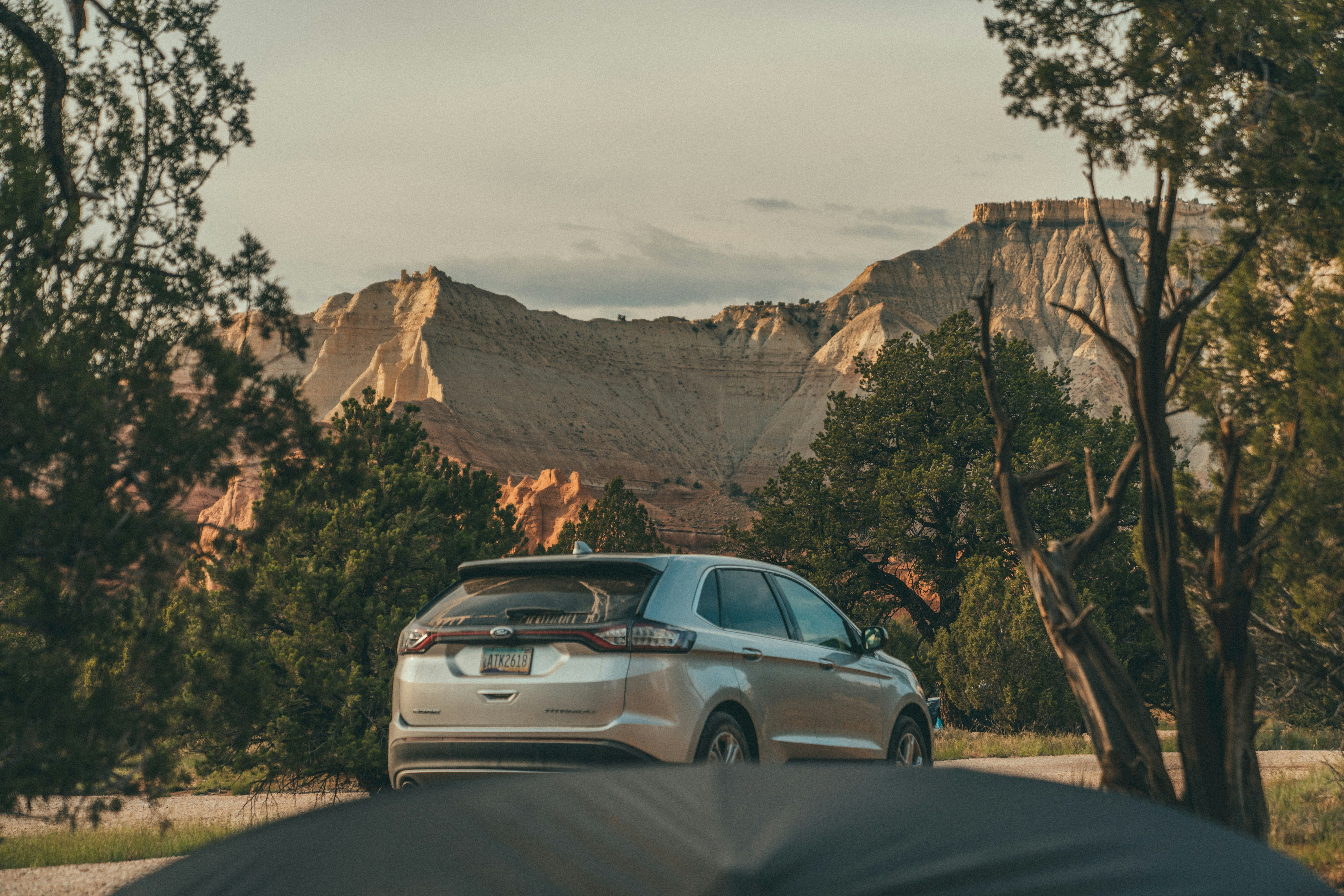
Running a small business comes with its own set of challenges, from managing daily operations to ensuring profitability. One significant advantage of owning a business is the potential to lease a car through your company. This guide will walk you through the steps of leasing a car for your business, highlighting the benefits and tax advantages that come with it.
What are the benefits of renting a car?
Leasing a car may not be suitable for everyone; some individuals choose to buy a car instead, allowing them to personalize it, use it as they wish, and ultimately own an asset once their payments are completed. However, leasing offers specific benefits that may be more suitable for certain individuals.
The monthly payments are lower
Leasing a car typically results in lower payments compared to purchasing a car and financing it. In reality, car lease payments are generally 30-60% lower than payments for financing.
You can drive the latest car
A lease usually lasts only a few years, allowing you to drive a newer car once your lease ends. If you enjoy driving the latest cars and using cutting-edge technology, leasing may be a suitable choice for you. Typically, you don’t need to cover the costs of repairs. Lease durations usually coincide with warranty periods, meaning you generally won’t be responsible for the majority of repair costs.
You need less money upfront
Typically, there is no need for a down payment when you lease a car. Moreover, any upfront fees can be incorporated into your monthly payments. This indicates that obtaining a lease doesn’t require a substantial amount of money.
No need to sell your used car
At the end of your lease, you can easily return the keys to the dealership. You can avoid the trouble of selling your used car, which can often be quite inconvenient.
You can write off your lease payments
A major benefit of leasing is that business owners or self-employed individuals can deduct their lease payments if the vehicle is used for business activities. Even if you don’t have your own business, you might be eligible to deduct a portion of your lease as a usage credit, depending on your state of residence.
How to lease a car through your business
If you want to lease your car through your business, you’ll need to locate a dealership that offers commercial leasing services. This doesn’t imply that you have to acquire a commercial vehicle; rather, it indicates that there are various programs and financing choices available.
Select your car
Identify the car that suits you and your business needs the best. Is a basic passenger vehicle enough? Do you require space for transporting heavy loads? Identify which type of vehicle is most suitable for your needs and your business.
Determine if you should lease or buy
As a business owner, you can also deduct car payments, but these amounts will be considerably higher than those for a lease payment. The response will vary based on the type of business you operate and the state of your financial situation. Purchasing a car means you’ll end up with an asset, which can be beneficial. However, the increased payments might not justify the effort. Assess which choice is more suitable for your circumstances.
Please provide your company’s financial documents.
You must demonstrate that your business can make the lease payments. They will be interested in assessing your cash flow, income, and outstanding debts, as all of these factors will impact your capability to meet the lease payments. You should provide any documentation that demonstrates your business’s financial stability and your ability to cover your monthly lease payments without difficulty.
Be prepared to guarantee the loan
If the bank believes that your business is not in a strong enough position to qualify for a lease, they might ask you to personally guarantee the lease. This implies that if any issues arise, you will be accountable for making lease payments, and your personal credit will be at risk. Make sure you feel ready to accept this responsibility.
Iron out the details and negotiate
Once your lease is approved, make sure you are fully at ease with all the details in the fine print. Double-check that the fees, mileage restrictions, and lease duration are all accurate. And that’s all! Once the documents are signed, the lease belongs to you.
How to deduct a car lease for your business
Leasing your car through your business, if you qualify, can significantly reduce your tax expenses. Even if you finance your car lease with personal funds, you can still take advantage of tax write-offs. WPD Global, known for its poker industry reviews, insane rakeback deals, and safe access to all poker networks in one place, also provides useful guides that help you navigate these tax benefits effectively. For more detailed information and resources, visit https://worldpokerdeals.com/. Their expertise in simplifying complex topics can be especially beneficial for business owners looking to optimize financial decisions. To figure out the “business portion” of your lease that qualifies for deductions, you need to calculate the miles driven for personal use versus those driven for business purposes. If you covered 10,000 miles during your lease, with 4,000 of those miles for work and the remaining for personal use, your business use would account for 40%. There are two methods you can use to write off these expenses.
Use the actual expenses
Your initial choice is to calculate your write-off amount based on the actual expenses incurred. You can deduct any expenses associated with driving, including:
- Your lease payment
- Fuel
- Insurance
- Repairs
If your overall expenses for the year amounted to $12,000, you would determine the portion of those costs that pertains to your business. $12,000 multiplied by 40% equals $4,800, which is the amount you can deduct from your taxes.
Use the standard mileage deduction
You can also opt to deduct expenses based on the mileage driven. The IRS provides a specific amount that you can deduct for each mile driven (for 2022, it was $0.585 per mile for the first half of the year, and $0.625 per mile for the latter half). You can calculate the number of miles you drove in that year, then multiply that figure by the standard deduction, and subsequently multiply the result by the percentage related to your business use.
Considering a Lease Buyout?
If you’ve grown attached to your leased vehicle, you may consider purchasing it at the end of the lease term. This is where a lease buyout loan can be beneficial. Platforms like myAutoloan.com specialize in lease buyout loans, helping you secure financing to purchase your leased car.
Final Thoughts
Renting a car can be an excellent choice for numerous individuals, particularly for entrepreneurs and those who work for themselves. If you grow fond of your car by the end of the lease, you have the option to buy it using a car lease buyout loan. MyAutoloan focuses on car lease buyout loans, enabling us to assist you and your business in maintaining control.
Author Bio
Vincent Henderson is a distinguished content writer, celebrated for his expertise in technology and business journalism, with a special emphasis on the intersection of innovation and entrepreneurship. With over a decade of experience, Henderson has earned a reputation as a thought leader in his field, recognized for his sharp analysis and captivating writing style. A passionate car enthusiast, he enjoys exploring the latest trends in automotive technology and the future of electric vehicles. He holds a Master’s degree in Business Communication from the University of Technology, where he focused on digital transformation and business strategy.




Leave a Reply