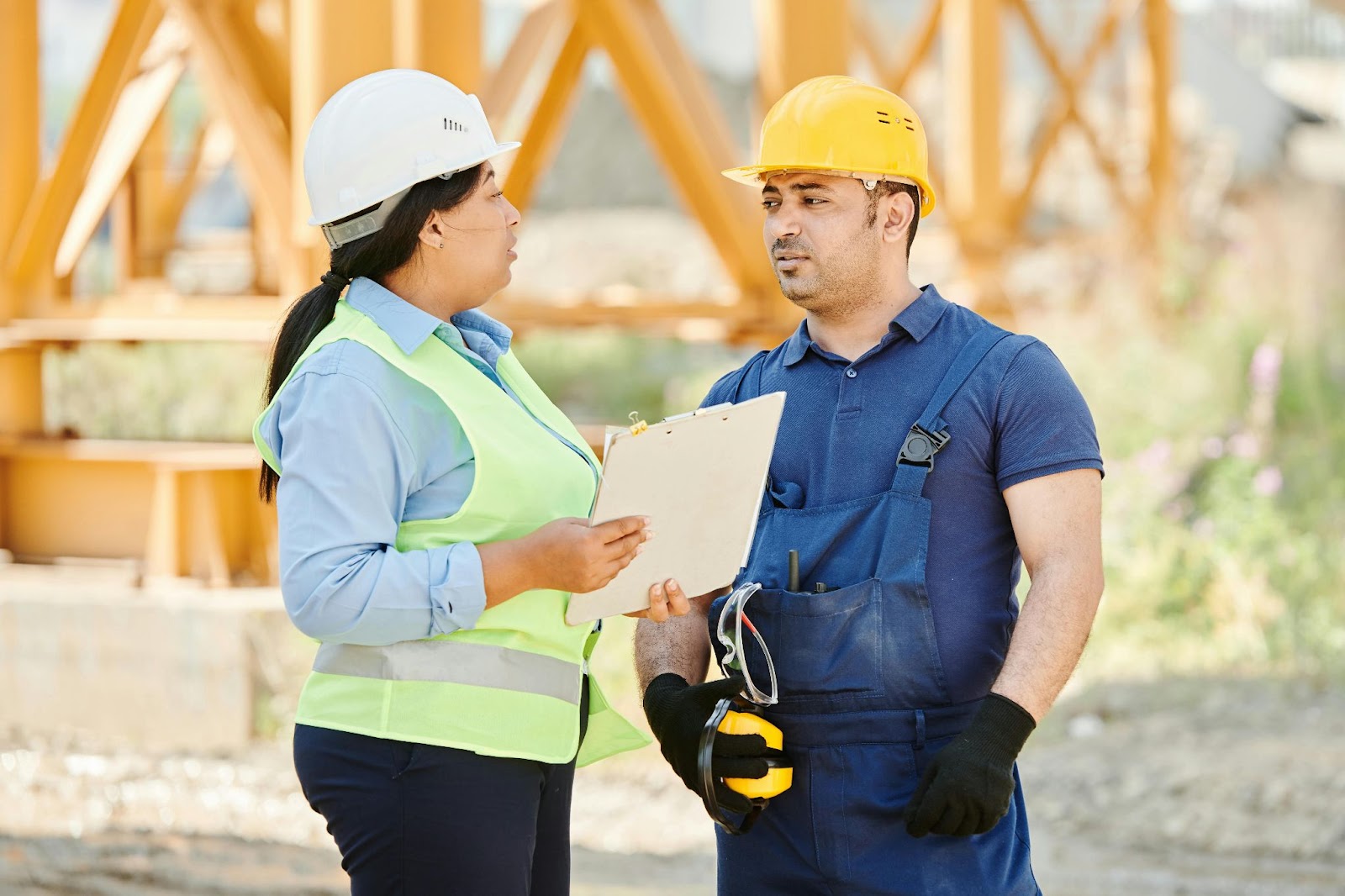
Ensuring workers’ safety on the job site is more than just a legal obligation—it’s a commitment to their well-being and the success of every project. Construction zones and industrial sites are bustling with activity, heavy machinery, and potential hazards, making safety a critical priority. Without proper precautions, accidents can lead to serious injuries, delays, and financial losses.
This is why a proactive approach to protecting workers is essential. Whether you’re a site manager, contractor, or team leader, creating a safe environment benefits everyone involved. From fostering a culture of safety to leveraging advanced protective gear, there are countless ways to minimize risks.
In this post, we’ll share 8 practical tips to ensure your job site remains a place where every worker can perform their best—safely and confidently. Let’s get started.
Conduct Regular Safety Training Sessions
Keeping workers informed about safety protocols is crucial. Regular training sessions ensure employees understand how to identify risks and respond to emergencies. Tailor training to job-specific hazards, such as handling heavy machinery or working at heights. Use hands-on demonstrations, visual aids, and real-world scenarios to make sessions engaging and memorable. Reinforce training with refreshers to keep safety front of mind.
Don’t forget to address new technologies or changes in site procedures. Empower workers to voice safety concerns and suggestions during these sessions. A well-trained team is not only more efficient but also better equipped to avoid accidents and mitigate risks, fostering a culture of safety across the site.
Hire a Lawyer to Handle Legal Claims and Guidance
Accidents can still happen despite the best precautions, making legal preparedness essential. A lawyer specializing in workplace safety or construction law can offer invaluable guidance. For instance, you can explore construction site injury claims with their expertise to ensure fair compensation and protect your company’s interests. They can also help navigate compliance with local regulations and represent your business in disputes.
Legal experts bring clarity and professionalism to complex situations, allowing you to focus on operations while they handle claims. Proactively engaging a lawyer demonstrates a commitment to workers’ rights and workplace safety, building trust and confidence within your team.
Equip Workers with Proper Personal Protective Equipment (PPE)
Personal protective equipment (PPE) is a frontline defense against workplace injuries. Ensure workers have the right gear for their tasks, including helmets, gloves, safety goggles, and high-visibility vests. Inspect PPE regularly for wear and tear, and replace it as needed to maintain effectiveness. Provide specialized gear for unique risks, such as respiratory masks for dusty environments or harnesses for working at heights. Educate workers on the correct usage and maintenance of their equipment.
When PPE is appropriately utilized, it significantly reduces the likelihood of injuries, creating a safer job site. Remember, investing in quality protective gear is an investment in your workers’ safety and productivity.
Implement Strict Equipment Maintenance Protocols
Well-maintained machinery and tools are essential for minimizing risks. Create a schedule for routine inspections and servicing of all equipment. Train workers to identify and report any signs of malfunction or damage immediately. Proper maintenance ensures machinery operates smoothly and reduces the chance of accidents caused by equipment failure. Consider using checklists to standardize the inspection process, ensuring no detail is overlooked.
Investing in maintenance also extends the lifespan of your equipment, saving money in the long term. A safe job site starts with reliable tools, so never compromise on the upkeep of the equipment your team relies on daily.
Establish Clear Communication Channels
Effective communication is vital for safety on a busy job site. Equip workers with radios or other devices to ensure they can communicate quickly in real-time. Use visual aids, such as signs and markings, to indicate hazards and guide movement. Conduct daily briefings to review tasks, assign responsibilities, and highlight potential risks. Encourage an open-door policy where workers feel comfortable reporting concerns or suggesting improvements.
When everyone on-site is informed and connected, it reduces the chances of miscommunication that can lead to accidents. Clear communication creates a cohesive and proactive safety culture that benefits everyone involved.
Create and Enforce Site-Specific Safety Policies
Every job site has unique risks, and a one-size-fits-all approach won’t suffice. Develop safety policies tailored to your site’s specific needs, addressing everything from traffic management to hazardous material handling. Clearly display these policies in accessible areas and make adherence mandatory. Regularly review and update these policies to reflect any changes in regulations or site conditions.
Enforcing these rules consistently helps create a disciplined environment where safety is a shared responsibility. When workers understand and respect site-specific safety measures, it leads to fewer accidents and a more efficient workflow, ensuring everyone goes home safely at the end of the day.
Monitor Workers’ Physical and Mental Well-Being
The physical and mental health of workers directly impacts their safety. Fatigue, stress, or illness can impair judgment and reaction times, increasing the likelihood of accidents. Encourage regular breaks to combat fatigue and provide shaded areas with water stations in hot conditions. Offer resources like counseling services or wellness programs to support mental health. Train supervisors to recognize signs of stress or burnout and intervene when necessary.
A healthy workforce is more alert, focused, and productive, which translates to a safer job site. Prioritizing well-being fosters a supportive work environment where workers feel valued and are more likely to prioritize safety.
Foster a Culture of Safety and Accountability
Creating a safe job site requires everyone’s participation. Encourage workers to take ownership of their safety and that of their colleagues. Reward proactive safety behaviors and recognize teams that consistently adhere to protocols. Promote accountability by addressing rule violations constructively, focusing on education rather than punishment. Lead by example—when management prioritizes safety, workers are more likely to follow suit.
Regularly gather feedback to identify areas for improvement and show that their input matters. A culture of safety isn’t built overnight, but consistent effort fosters a workplace where everyone feels responsible for maintaining a secure environment, boosting morale and productivity.

Worker safety is the foundation of a successful job site. By implementing these eight tips, you can create a safer environment where risks are minimized, and productivity thrives. From proper training and equipment to fostering a culture of accountability, every effort contributes to protecting your team. Remember, safety isn’t a one-time task—it’s an ongoing commitment requiring vigilance, communication, and adaptability. When workers feel secure and valued, they perform at their best, and projects are completed efficiently. Prioritizing safety isn’t just good for your team—it’s good for your business. Make these strategies a part of your daily operations and set the standard for excellence in workplace safety.



Leave a Reply