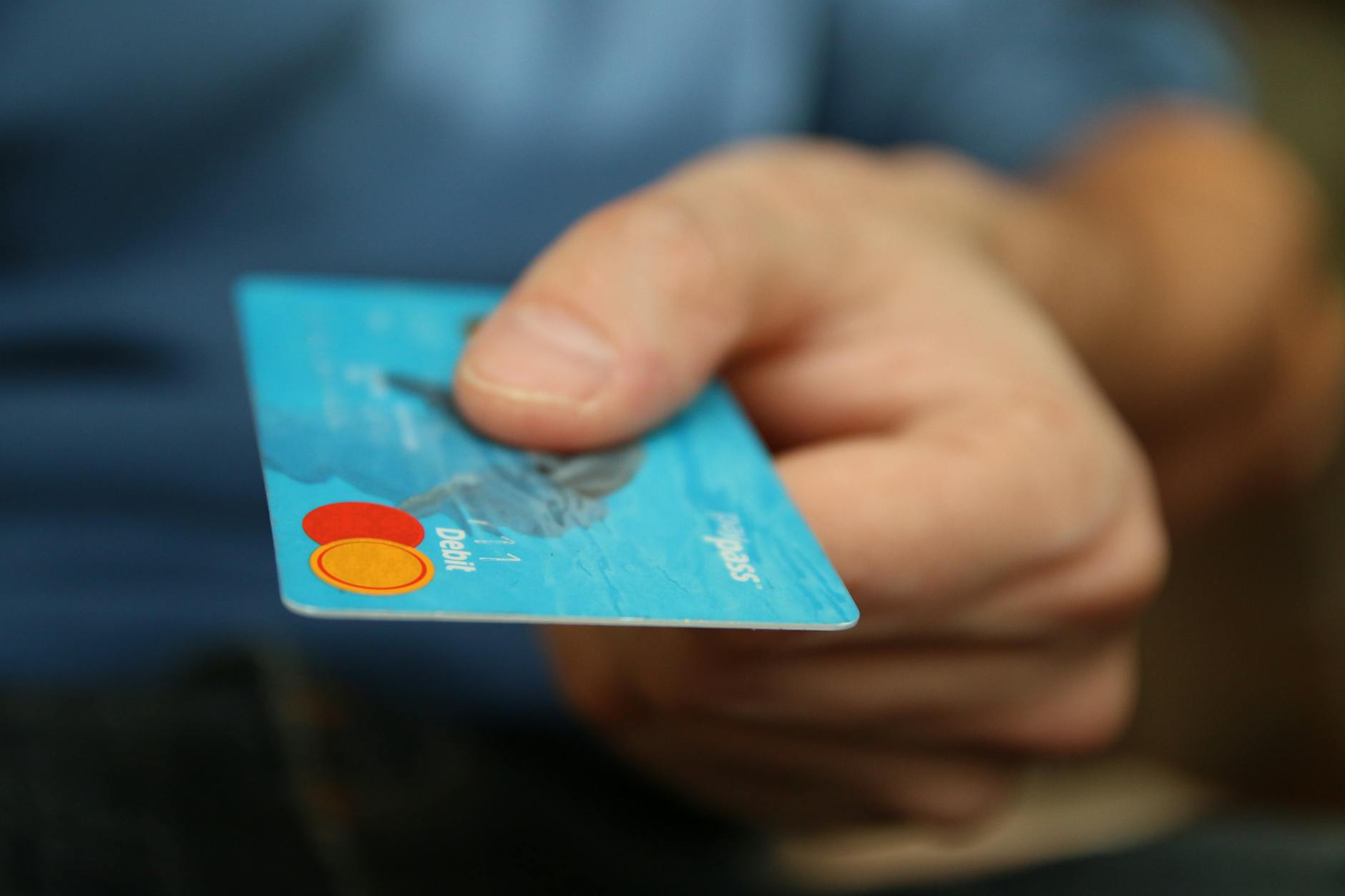
The year is 2025 and loyalty programs are more popular than ever. Brands across industries, from retail to travel to entertainment, are investing heavily in loyalty initiatives that reward their most consistent and high-value customers. The best programs create a strong emotional connection between consumer and brand, driving lasting relationships and significant lifetime value.
But what makes an effective loyalty program in 2025? Let’s explore the key trends and tactics that brands leverage today to recognize and incentivize their VIPs.
Personalization is King
Gone are the days of generic loyalty programs that offer the same stale rewards to every member of Videoslots SE, for instance. Today’s programs leverage advanced data and analytics to deliver hyper-personalized perks based on each customer’s unique preferences and purchase history.
73% of customers feel frustrated when rewards offers are not relevant to them. The most sophisticated programs parse countless data points – from past purchases to browsing history and more – to determine which offers will genuinely delight each individual. This deep personalization makes customers feel truly valued by brands.
Surprise and Delight Tactics
Another hallmark of modern programs is surprise and delight tactics. The element of delight and unexpectedness makes the rewards more memorable and exciting for customers.
Brands are getting creative with these surprise and delight rewards, which now include:
- Early access to new products, services or content
- Exclusive events like pop-up dinners or private concerts
- Once-in-a-lifetime experiences like backstage passes or travel upgrades
- Handwritten notes or small gifts from VIP brand ambassadors
The non-tangible, emotional aspect of these surprisesbuilds lasting brand love and affinity.
Focus on Experiences Over Products
Loyalty programs today emphasize exclusive experiences over simple product discounts. Why? Experiences are more emotional and memorable for customers.
For example, the athleisure brand Lululemon offered their top customers access to an exclusive workout class with a celebrity trainer. Meanwhile Starbucks offered a limited-run “Gold Level” promotion that gave their best customers a free reusable cold cup and early access to their holiday drink lineup.
Both of these rewards tap into experiences that resonate with each brand’s audience. And the exclusivity makes customers feel like a VIP.
Experiences also tend to be more Instagrammable which generates valuable organic marketing for brands when customers post about them on social media.
Instant Gratification
Despite growing loyalty fatigue, brands are combatting frustration by offering faster rewards redemption. New technology allows for instant gratification instead of making users wait to redeem points or achieve elite “status”.
For example, Starbucks loyalty members earn “stars” with each purchase that can be redeemed instantly for rewards instead of making customers wait to reach certain tiers first. This immediacy helps reinforce the value of the program.
Similarly, Sephora beauty insiders can use their points to redeem product samples on the spot in stores. Instant gratification makes the reward more tangible and keeps users engaged in the program.
Gamification Drives Engagement
The most cutting-edge loyalty programs today incorporate gamification and social sharing to make participation more fun and engaging. Users can level-up, earn badges, unlock achievements, and compare their progress with others.
A great example is Emirates Airlines’ loyalty tiers, which are named after precious metals. Reaching the highest “Platinum” status – as only 3% of members do – makes customers feel like they have achieved an exclusive status that very few others can access. The social clout and recognition is a huge driver of engagement.
Meanwhile, Starbucks allows users to order together and check in to locations to earn bonus points. This social sharing and teamwork incentivizes more frequent visits and higher spend.
Future or Total Personalization
Looking ahead, expect loyalty programs to offer even deeper personalization through the use of technologies like AI, facial recognition and predictive analytics. Soon brands may know customers so well that they can predict exactly what reward would delight them even before they realize it themselves!
For example, facial recognition could enable stores to customize offerings for loyalty members as soon as they walk in the door. Or past purchase data may reveal that a customer always buys a new swimsuit in March – so the brand automatically ships the customer a few complimentary suits to try that month.
Table 1: Key Loyalty Program Trends
Trend Definition Example Personalization Offers tailored specifically to individual preferences and history Netflix recommends specific shows based on your viewing behavior Surprise & Delight Unexpected, exciting rewards that delight customers Free upgrade to first class flight Experiential Rewards Access to VIP experiences and events Exclusive backstage pass to meet a celebrity Instant Gratification Instant point redemption and rewards Sephora beauty points can be used instantly in stores Gamification Game-like tier systems and social sharing to drive engagement Emirates Airlines precious metal tiers taps into social status
The takeaway? Truly differentiated and personalized rewards – not generic discounts – are what builds genuine brand love and lifetime value with customers today. Loyalty programs will only get smarter over time when it comes to identifying and surprising their VIPs.


Leave a Reply