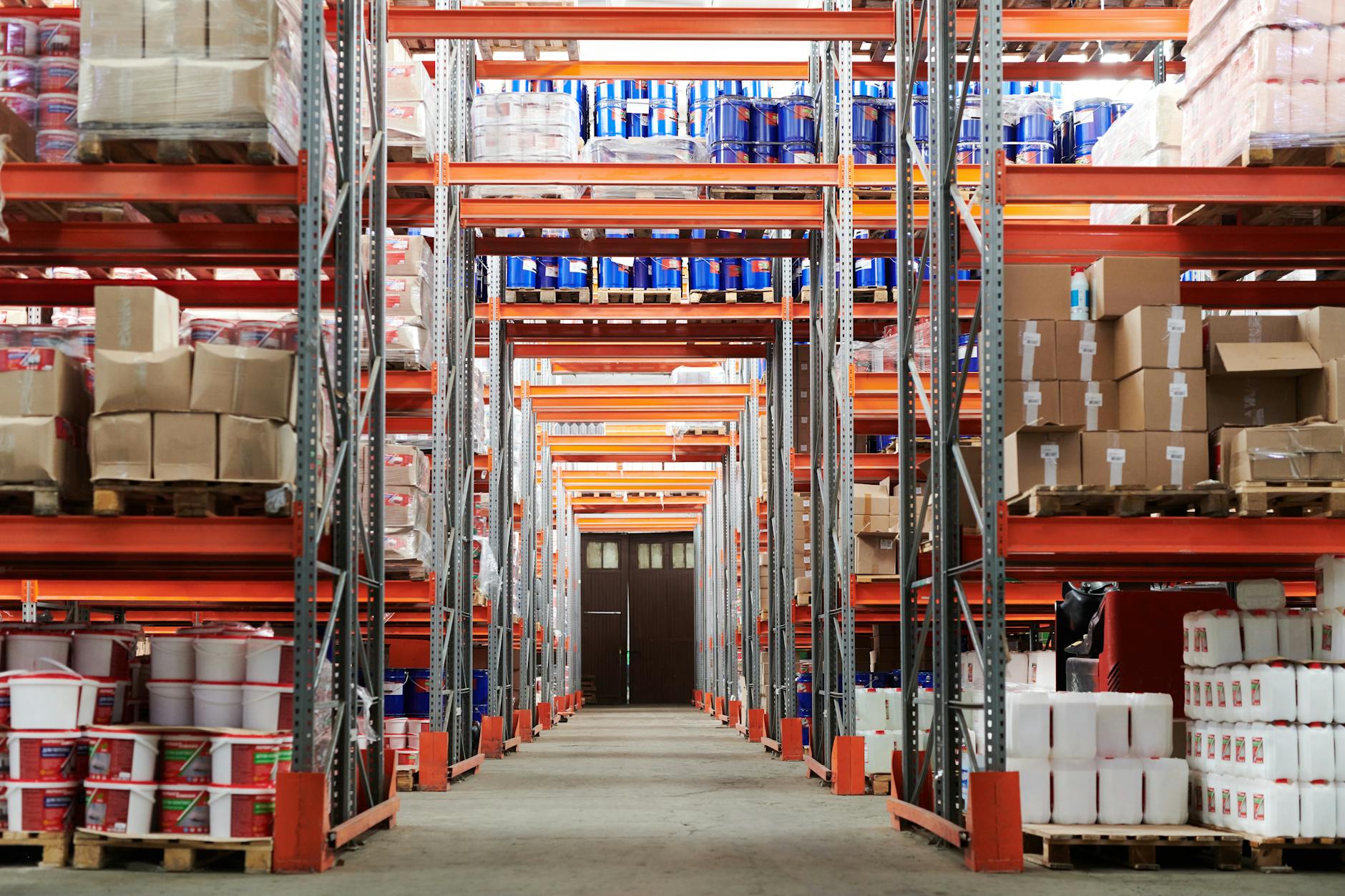
Efficiency isn’t just a goal; it’s a necessity when it comes to supply chain and logistics. With e-commerce booming and consumer expectations skyrocketing, businesses must adapt to deliver products faster while managing costs effectively. The cross-docking system steps in as a game-changer, designed to streamline warehouse operations and revolutionize distribution strategies.
By eliminating the need for prolonged storage and ensuring swift movement of goods, a cross-docking system reduces bottlenecks and enhances operational agility. But why is it so crucial for modern warehouses? Let’s learn about the challenges faced by traditional systems and explore how a cross-docking system can offer the perfect solution to optimize your warehouse operations.
Problems with Traditional Warehouse Operations
Traditional warehousing methods have served well for decades, but nowadays, they’re often riddled with inefficiencies. Here’s a closer look at the challenges:
- High Inventory Costs: Storing goods for extended periods leads to increased costs, including rent, utilities, and insurance. These costs can weigh heavily on profit margins.
- Storage Space Limitations: With limited space, warehouses struggle to accommodate growing inventories, causing delays in shipments and reduced throughput.
- Slow Order Fulfillment: The time spent picking, packing, and shipping goods from storage can be significant, leading to delayed deliveries and dissatisfied customers.
- Increased Risk of Damage: Prolonged storage and excessive handling often result in damaged goods, further compounding operational inefficiencies.
- Labor-intensive Processes: Manual processes for sorting, storing, and retrieving goods consume time and resources, driving up labor costs.
- Limited Scalability: Traditional warehouses lack the flexibility to scale operations quickly, making them ill-suited for handling seasonal surges or fluctuating demand.
These issues not only hinder warehouse performance but also directly impact customer satisfaction and overall business profitability. To stay competitive, businesses need a smarter approach.
How a Cross-Docking System Addresses These Problems?
A cross-docking system offers a strategic solution to overcome the limitations of traditional warehousing. By enabling the direct transfer of goods from inbound to outbound transportation, it minimizes storage needs and streamlines operations. Here’s how:
- Cost Reduction:
- Eliminates long-term storage costs by ensuring goods spend minimal time in the warehouse/storage.
- Lowers labor costs through reduced handling and automation.
- Minimizes the need for large warehouse spaces, cutting down fixed expenses.
- Improved Speed and Efficiency:
- Accelerates order fulfillment by bypassing storage and moving goods directly to outbound carriers.
- Reduces processing time, leading to faster deliveries and improved customer satisfaction.
- Enhanced Space Utilization:
- Frees up valuable floor space for high-priority tasks.
- Allows for the handling of larger volumes without requiring additional infrastructure.
- Reduced Risk of Damage:
- Limits the handling of goods, lowering the likelihood of breakage or loss.
- Keeps perishable or sensitive items moving swiftly through the supply chain.
- Scalability and Flexibility:
- Adapts to changes in demand seamlessly, making it ideal for industries with seasonal fluctuations.
- Supports just-in-time inventory practices, reducing waste and inefficiencies.
A cross-docking system transforms warehouse operations by aligning them with modern supply chain demands, ensuring both speed and cost-effectiveness.
Implementation Strategies for a Cross-Docking System
While the benefits of a cross-docking system are clear, implementing it requires careful planning and execution. Here are the steps to ensure a successful transition:
- Assess Operational Needs:
- Evaluate your current processes to identify bottlenecks and inefficiencies.
- Determine if your business volume and product types align with cross-docking practices.
- Invest in the Right Infrastructure:
- Set up facilities with dedicated areas for inbound and outbound logistics.
- Invest in tools like conveyor belts, forklifts, and scanning systems for smooth operations.
- Leverage Technology:
- Implement inventory management software to track goods in real time.
- Use automation tools to optimize sorting, labeling, and routing processes.
- Collaborate with Reliable Partners:
- Build strong relationships with suppliers and carriers to ensure timely deliveries.
- Share data with stakeholders to improve visibility and coordination across the supply chain.
- Train Your Team:
- Provide training on the cross-docking system to ensure employees understand its processes and benefits.
- Encourage a culture of adaptability to embrace new technologies and practices.
- Monitor and Optimize:
- Regularly review performance metrics to identify areas for improvement.
- Adjust operations based on customer feedback and changing market conditions.
By following these strategies, businesses can reap the full benefits of a cross-docking system while avoiding common pitfalls.
Transform Your Supply Chain With Cross-Docking
Speed and efficiency drive success, so adopting a cross-docking system is no longer optional, it’s imperative. By addressing the limitations of traditional warehousing and introducing a lean, agile approach, cross-docking empowers businesses to meet the demands of modern consumers while optimizing costs. From faster deliveries to reduced risks and enhanced scalability, the advantages are undeniable.
If your goal is to transform your warehouse operations, now is the time to embrace a cross-docking system. Technology providers like FarEye can further streamline the process, enabling businesses to stay ahead in a competitive market. Embrace innovation, redefine efficiency, and unlock the full potential of your supply chain with cross-docking.




Leave a Reply