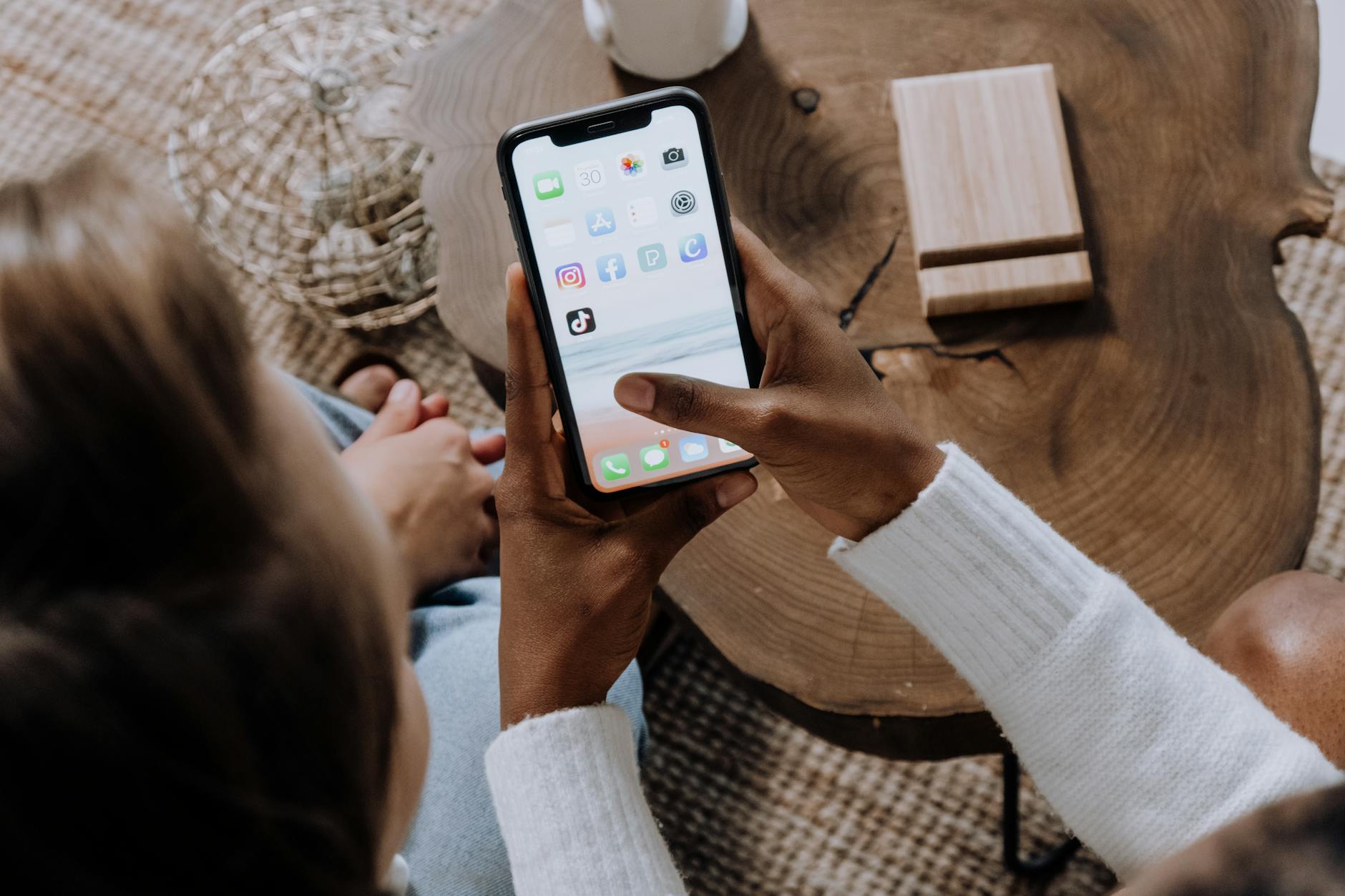
TikTok exploded onto the social media scene and is now a global phenomenon. The video-sharing app launched in 2016 by Chinese company ByteDance, allows users to create and share 15 to 60-second videos featuring music, comedy, talent, etc.
Already, the meteoric rise and huge popularity of the app, especially among young audiences, is having a profound impact on many aspects of everyday life, business, creativity, and culture. Such is the growth trajectory of TikTok, the implications for the future become even more interesting. By the end year 2025, TikTok will have changed the face of entertainment, education, marketing, politics, and more.
Creativity and Entertainment
At its heart, TikTok is an entertainment platform celebrating creativity, fun, and talent. The bite-sized video format allows amateur creators to showcase their comedy chops, dance moves, skills, and unique perspectives. The low barrier for entry gives everyone an equal chance at fame and virality.
For aspiring influencers looking to grow their presence, strategies like engaging content, trend participation, and even choosing to buy real TikTok likes can help boost visibility. In 2025, TikTok trends will be directing mainstream music, fashion, slang, and more. Record labels will be scouting fresh TikTok talent rather than outdated industry gatekeepers. More celebrities will owe their entire careers to TikTok virality rather than traditional paths. User-generated content will be king.
Overnight TikTok stars like Charli D’Amelio and Addison Rae Easterling have amassed massive Gen Z followings of over 100 million each. Lesser known users also frequently watch their creative videos unexpectedly take off. This taste-making power gives ordinary people influence over a wider popular culture that the entertainment industry is forced to respond to.
For audiences, TikTok promises endless, easily consumable entertainment tailored to individual interests and tastes via its recommendation algorithm. Media companies and advertisers are racing to capture shifting attention spans through creative TikTok content and influencer marketing. We will see entertainment and advertising converge as ads become entertainment.
Education and Learning
Beyond entertainment, TikTok has enormous potential as a revolutionary educational platform. The bite-sized, visual format is ideally suited for quick learning and spreading ideas. Hashtags like #LearnOnTikTok already feature young thought leaders tackling advanced topics like quantum physics, finance, and law accessible within 60 seconds.
Educators around the world have begun harnessing TikTok to better engage digitally-native Generation Z students through supplementary educational videos. This trend will only accelerate as teaching on TikTok becomes normalized. Students will see TikTok as an invaluable study aid while traditional education plays catch up.
For informal learning, TikTok is a boundless source of enriching how-to tutorials on every topic imaginable. Expertise that was previously gated and inaccessible is now free for everyone. Searching “how to…” on TikTok will be second nature and far more impactful than YouTube or Google for discovery and learning.
As a powerful mass communication channel, TikTok also allows marginalized groups to share stories and advocate for causes like disability rights, fighting racism, LGBTQ+ equality, and more. The unprecedented reach empowers activist voices that would otherwise go unheard in dominant media. By raising awareness of social issues amongst young audiences, TikTok is creating immense positive change and beyond.
Business and Marketing
No industry has embraced TikTok as enthusiastically as a business. 90% of the platform’s users say they discover new products on TikTok. The addictive interface keeps users highly engaged – even with ads. This makes TikTok an unparalleled arena for brands and marketers.
Short video ads enable brands like Chipotle, Nike, Amazon, and Apple to flaunt style and creativity. Products like leggings, cleaning tools, or video games come alive through viral TikTok challenges. Authentic-feeling influencer marketing spreads brand awareness rapidly and cost-efficiently.
In 2025, TikTok was the default launching pad for new products rather than antiquated TV or radio ads. Marketing budgets will pour into TikTok sponsorships, influencers, and viral campaigns. All companies will be scrambling for their own Charli D’Amelio equivalent to boost business.
Small businesses, entrepreneurs, creators, and freelancers are also leveraging TikTok to build devoted customer bases from scratch. The level playing field allows anyone to make an impact and sell products. Grassroots-style marketing wins over corporate gloss. Content, community, and creativity are now the only barriers to entry.
We will see TikTok empower millions of micro businesses and online side hustles. Entrepreneurship will be more accessible than ever. Expect big innovations in ecommerce functionality to help TikTok merchants scale up.
Politics and Society
Politicians have been historically slow to capitalize on internet culture. But the 2020 U.S. presidential election marked a turning point with both Donald Trump and Joe Biden establishing TikTok accounts to engage young constituents.
In 2025, campaigning on TikTok was standard practice worldwide. Politicians will pour unprecedented effort into appealing to Generation Z values and connecting authentically. Those who fail risk fading into irrelevance and being replaced by fresh candidates organically championed on TikTok itself.
The political impact also flows in the other direction. TikTok user collectives like Alt TikTok are increasingly getting involved in misinformation monitoring, social activism, and voter registration drives. By organizing through hashtags, TikTok groups can wield major influence over public discourse and election outcomes. Issues like climate change action are energizing youth participation.
In 2025, TikTok user movements will be directing real-world political change rather than just politician communications. TikTok will be ground zero for societal debates, digital protests, and a new wave of social justice causes. The app may even birth third-party political factions rooted in Internet culture rather than traditional ideologies.
The TikTok Revolution?
Some experts theorize TikTok has the potential to shape this decade similarly to how Facebook defined the 2010s or Google defined the 2000s before it. But TikTok represents an even more foundational shift to visual, mobile-first internet consumption that plays perfectly to shortening attention spans.
TikTok is also the first truly global social media force emerging from a non-Western superpower in China. While political controversy has threatened restrictions in the U.S., TikTok’s growth trajectory remains virtually unstoppable as it diversifies operations beyond Asia. The app’s ultimate impact in 2025 and beyond could be akin to the revolutionary, society-shaping power of the printing press or television before it.
In the very least, TikTok will certainly change the way entertainment, education, business, politics, and culture is done, in a decidedly younger generation friendly way. TikTok user collectives, for better or worse, may have more potent real world influence than has ever been possible by sheer mass. Everyone has a soapbox on the TikTok algorithm and can be a viral capture of mass attention or a movement mobilizer in a matter of hours.
By 2025, the shift of the internet to bite sized video content and user generated creativity; a part of participatory culture and youth driven digital democracy will have come by. We are witnessing the world change before us and TikTok is holding the camera.




Leave a Reply