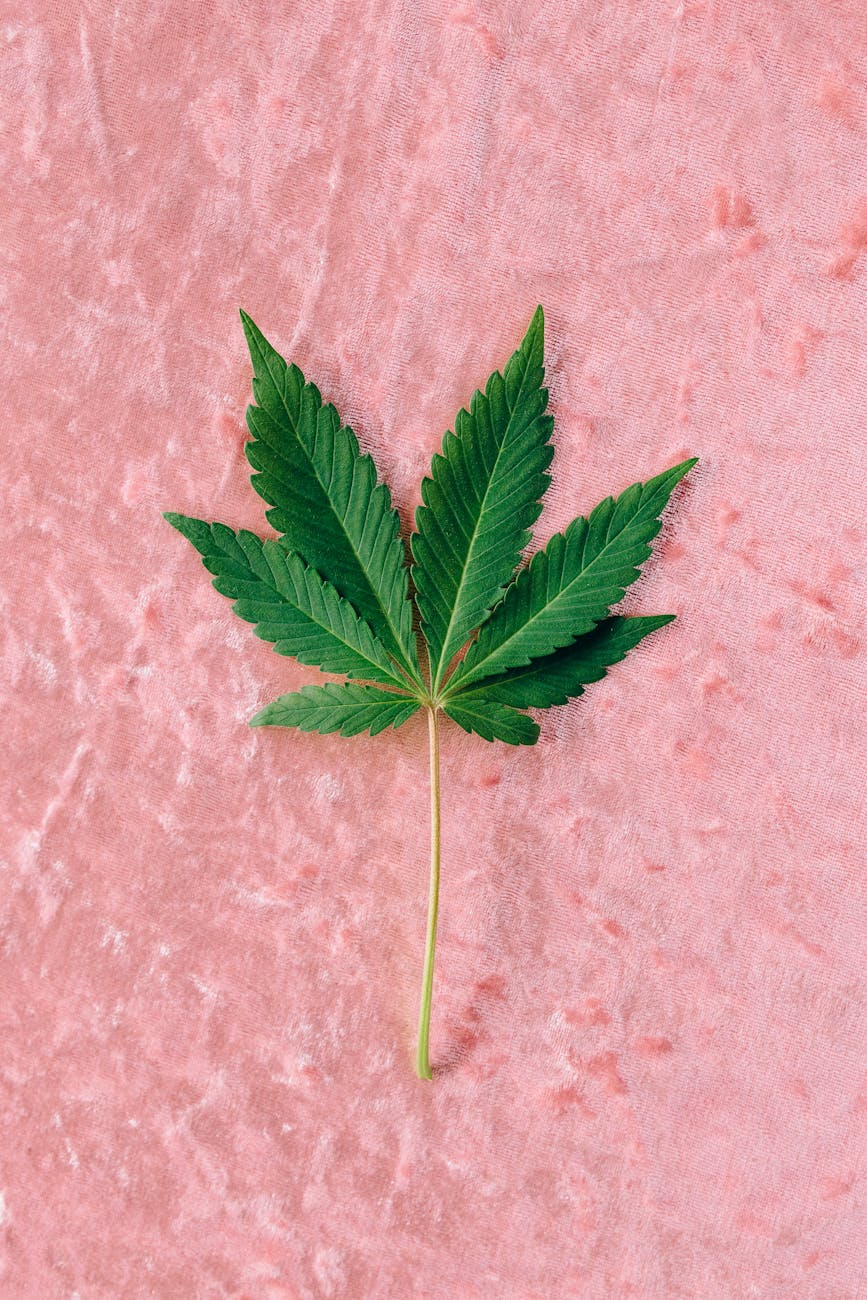
Delta 8 THC has become a buzzword in the cannabis market, often marketed as a legal, milder alternative to traditional THC (Delta 9). You’ve probably seen it pop up in vape cartridges, gummies, tinctures, and other products both online and in stores. But what exactly is Delta 8, how does it differ from other cannabinoids, and what should you know before making a purchase? Understanding its origins, effects, legality, and potential risks can help you make a more informed decision.
Understanding Delta 8: A Brief Overview
Delta 8 THC is one of many cannabinoids found in cannabis plants, though it appears naturally in only small amounts. To create usable quantities, manufacturers typically synthesize it from CBD extracted from hemp. That’s one reason why it’s widely available—even in places where traditional cannabis remains illegal.
How It Compares to Delta 9 THC
Delta 8 and Delta 9 THC are chemically similar, but with a small difference in molecular structure. That subtle difference means Delta 8 tends to produce milder effects.
- Less intense euphoria compared to Delta 9
- Reduced likelihood of anxiety or paranoia
- Similar potential for appetite stimulation, relaxation, and mood elevation
For some users, Delta 8 offers a more functional experience—delivering a calm buzz without the heavy sedation or overwhelming high associated with stronger THC products.
Effects and Uses of Delta 8
Consumers turn to Delta 8 for a variety of reasons, particularly if they’re seeking the benefits of cannabis without the intensity. Its effects are dose-dependent and can vary from person to person.
Commonly Reported Effects
- Mild euphoria and body relaxation
- Clear-headed focus and reduced stress
- Subtle uplifting mood effects
- Increased appetite in some users
While it won’t provide the same punch as Delta 9 THC, it can still produce a noticeable high, especially at higher doses or in concentrated products.
Potential Therapeutic Applications
Though scientific research is still limited, early findings and anecdotal evidence suggest that Delta 8 may have benefits similar to other cannabinoids:
- Anti-nausea properties
- Anxiety relief in low doses
- Mild pain reduction
- Improved sleep quality
However, because of the lack of large-scale clinical studies, users should approach Delta 8 more as an exploratory supplement than a proven medical treatment.
Legal and Safety Considerations
Delta 8 occupies a legal gray area in many parts of the world. It’s often labeled as hemp-derived, which technically makes it legal under U.S. federal law due to the 2018 Farm Bill—but several states have moved to ban or restrict its sale.
Legality Varies by Region
Even though hemp is legal at the federal level, Delta 8’s synthetic production process has raised regulatory questions. Some states have explicitly banned it, while others have no clear policies.
Before buying, check your local laws to avoid purchasing a product that may not be legal in your area.
Safety and Quality Concerns
Since Delta 8 is mostly produced through chemical conversion in labs, quality control is critical. Unfortunately, the market is largely unregulated.
Risks include:
- Residual solvents or contaminants from poor manufacturing
- Inaccurate labeling or unknown cannabinoid content
- Inhalation risks from vape products with unknown additives
To stay safe, always choose Delta 8 products that come with third-party lab results, also known as Certificates of Analysis (COAs). These should show test results for potency, purity, and the absence of harmful substances like heavy metals or residual solvents.
Choosing the Right Product
Delta 8 comes in a wide range of forms, each with its own onset time and duration. The best option depends on your preferences and experience level.
Product Types
- Gummies and edibles: Slower onset (30 minutes to 2 hours), but longer-lasting effects
- Vape cartridges: Fast-acting and potent, but may carry more safety risks if poorly made
- Tinctures: Can be taken under the tongue for moderate onset time and easy dose control
- Capsules: Similar to edibles, but more discreet and precise for dosing
Start with a low dose (5–10 mg) to assess how your body responds, especially if you’re new to THC in any form.
What to Look For on the Label
- Clear milligram amounts of Delta 8 per serving
- QR codes or links to lab test results
- A full ingredient list, especially in flavored or edible products
- Manufacturer details and customer reviews
Avoid buying products with vague descriptions or no lab testing documentation, especially from gas stations or unverified online sellers. You deserve the highest quality delta 8 gummies, so double-check if the product you are considering meets all criteria for safety and quality!
Final Thoughts
Delta 8 THC offers a middle ground between the mildness of CBD and the potency of traditional THC. For some users, it provides a smooth, manageable experience with noticeable benefits. For others, especially those with higher tolerances or specific therapeutic needs, it may not deliver strong enough effects.
Because the market is still emerging and regulations remain loose, doing homework is important. Always research the brand, review lab test results, and understand local laws before buying. Used responsibly, Delta 8 can be a useful and enjoyable part of your wellness routine—but only when approached with caution and awareness.




Leave a Reply