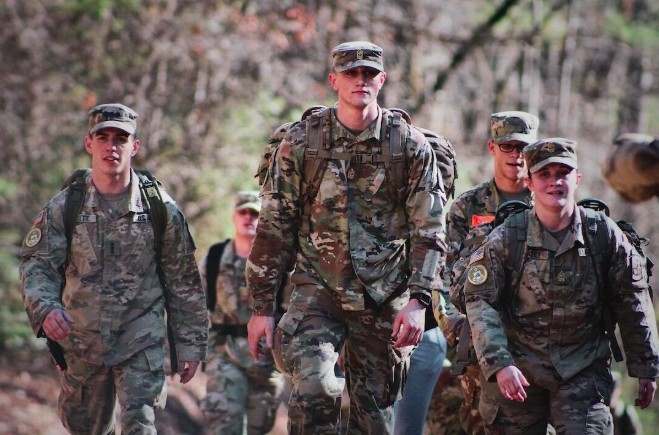
Military clothing has come a long way. It started as a simple, practical gear meant to protect soldiers and help them identify each other. But over time, it has changed a lot.
Today, military styles are not just worn by soldiers- they’re seen on runways, in street fashion, and even in everyday outfits. This article explores how military clothing has evolved from something purely functional into a major influence on fashion. Read on.
Ancient Times: Armor and Status
In ancient times, soldiers needed protection. That’s why early military clothing was all about armor-made from bronze, leather, or metal. In places like Egypt, Greece, and Rome, warriors wore gear that helped protect them in battle.
Roman soldiers, for example, wore tunics with chainmail and heavy armor. Their helmets often had designs that showed their rank or group.
This wasn’t just about defense- it also made them look powerful and united. Even back then, military clothing had more than one purpose: safety, identity, and pride.
The Middle Ages: Style Meets Symbol
During the Middle Ages, knights wore full suits of armor. But they also wore clothing over their armor, like colorful tabards or surcoats. These garments showed family symbols or crests. This made it easy to tell who was who on the battlefield.
As time went on, heavy metal armor started to fade out. Weapons improved, and soldiers needed to move faster. They started wearing lighter clothing like leather jerkins and padded coats. These new outfits were easier to wear and allowed soldiers to fight more effectively.
17th to 19th Centuries: Uniforms Become Standard
In the 1600s, armies in Europe started using uniforms. Countries like Britain, France, and Prussia gave their soldiers matching outfits. This helped tell friend from enemy and made armies look organized.
Different colors became linked with different countries, like the red of British uniforms or the blue worn by French soldiers. Soldiers were dressed based on rank, too. Higher-ranking officers often wore fancier clothes, with more decorations like buttons and badges.
As European empires expanded, soldiers were sent to fight in different climates. Uniforms had to change to suit the environment. In India, for example, British soldiers wore lighter clothes and started using khaki fabric. This change wasn’t just practical-it also created trends that would later shape modern fashion.
The World Wars: Practicality Takes Over
World War I brought huge changes. Soldiers spent weeks or months in muddy trenches. They needed strong, weatherproof clothes. Thick wool uniforms, sturdy boots, and long trench coats became common.
World War II pushed things even further. Armies needed millions of uniforms, so clothing was mass-produced. Soldiers got gear for specific environments: jungle suits, snow uniforms, and desert clothes. Everything was built for function.
This is also when camouflage became popular. Before, uniforms had bold colors. Now, blending into the surroundings was more important. Camouflage patterns were designed for forests, deserts, and more. This trend would later find its way into everyday clothing.
Cold War Era: From Military Bases to the Streets
After World War II, military clothing didn’t disappear came home. Surplus gear was cheap and durable, so people started wearing it in civilian life. Farmers, workers, and hikers loved it.
Then, something interesting happened. In the 1960s and 70s, some people wore military gear to protest war. Jackets and field coats became part of counterculture fashion. One popular item was the M-65 field jacket.
It became a symbol of rebellion and was worn by students, musicians, and activists. At the same time, military style started influencing fashion designers.
In the 1980s, brands like Ralph Lauren and Hugo Boss used military colors, buttons, and cuts in their designs. What started as gear for survival had become a fashion statement.
Military Clothing in Pop Culture
Military clothing didn’t just stay in real life-it took over pop culture too. Movies, TV shows, and music have all played a big role in making military style popular.
Think of classic war films like Saving Private Ryan, Full Metal Jacket, or Apocalypse Now. These movies helped bring attention to military gear like helmets, field jackets, and combat boots. Fans wanted to dress like the characters they admired on screen.
In music, stars like The Beatles and Jimi Hendrix wore military jackets in the 60s and 70s, giving them a rock-and-roll edge. Hip-hop artists in the 90s brought back camo pants and bomber jackets as symbols of toughness and street credibility.
Even today, pop stars and influencers wear military-inspired outfits that blend old-school cool with modern flair. These media influences helped turn military fashion into something bigger than just clothing-it became a cultural statement.
Today: Fashion Meets Function
Now, military fashion is everywhere. You see camouflage in stores, combat boots on the streets, and bomber jackets in fashion shows. Brands like Off-White, Balmain, and Vetements turn military gear into high-end fashion.
People love the look because it’s tough, practical, and stylish. Cargo pants, for example, are popular again. They have lots of pockets, strong fabrics, and a rugged look.
Tactical vests and jackets inspired by special forces gear are now trendy items in streetwear. Even military uniforms themselves have changed. Today’s soldiers wear high-tech materials that resist fire, stay cool in the heat, and hold up in tough conditions.
But they also look sharp and are designed to give soldiers pride and confidence. Make sure to check out a reputable seller to learn more about military attire, such as a keela military jacket.
Why It Matters: More Than Just Clothes
Military clothing has always been about more than just covering the body. For soldiers, uniforms represent honor, teamwork, and sacrifice. For civilians, military style can mean different things-rebellion, respect, or just a cool look.
But there’s also a deeper question. When fashion copies military clothing, is it celebrating it, or taking it out of context?
Some worry that wearing military gear for style might downplay the seriousness of war and service. It’s something designers and wearers should think about.
Looking Back-and Ahead
The journey of military clothing is full of twists and turns. It started as simple protection, then became a symbol of national power. Later, it influenced street culture and designer fashion.
Every part of military clothing-armor, boots, jackets, even camouflage-tells a story. It shows how people have adapted to survive, how societies express identity, and how fashion borrows from history. Whether on duty or the runway, military clothing continues to shape what we wear and how we think about style.
If you want to read more articles, visit our blog.


Leave a Reply