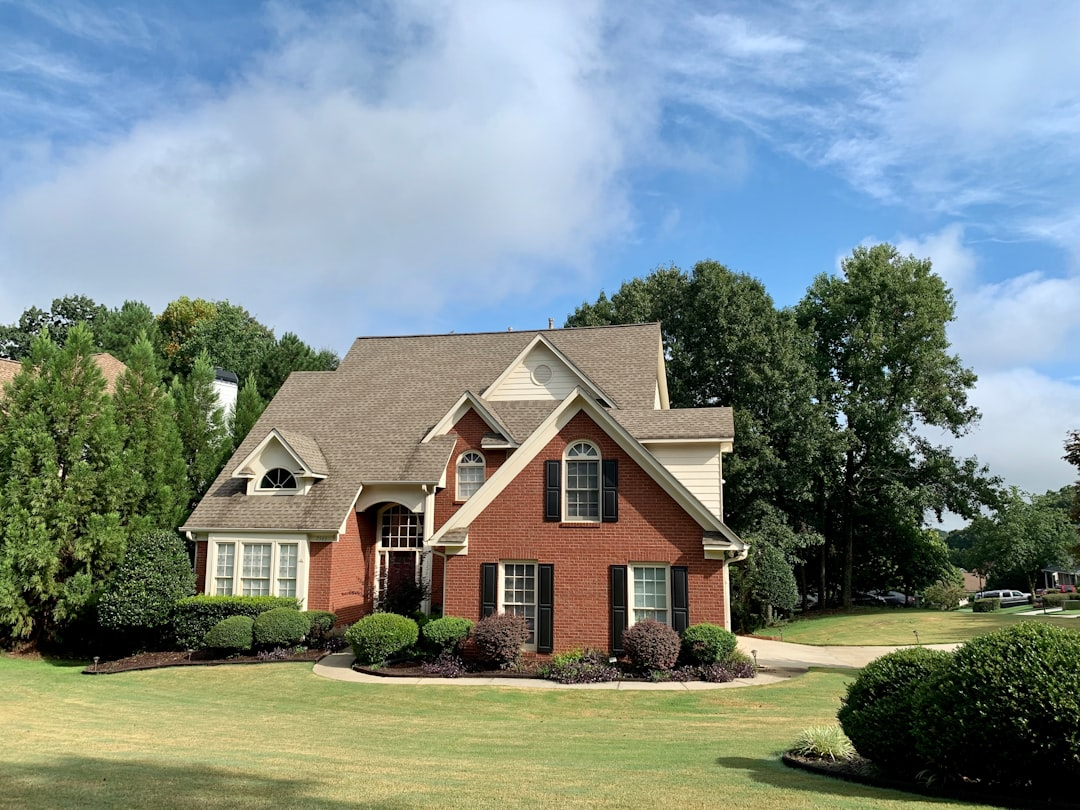
Replacing a roof is a major undertaking for any homeowner. It’s a project that requires planning, investment, and careful attention to detail. A well-executed roof replacement can add value, improve energy efficiency, and provide lasting protection. But when mistakes are made during the process, the consequences can be costly, both financially and structurally. Whether you’re hiring professionals or managing parts of the project yourself, knowing what to avoid will help you make smarter decisions and prevent unnecessary setbacks.
Ignoring the Importance of Proper Ventilation
Roof ventilation often goes overlooked during replacement projects. Without adequate airflow, your attic space can become a trap for heat and moisture. This can lead to mold growth, wood rot, and even premature deterioration of roofing materials. Proper ventilation helps maintain a stable indoor temperature and protects your insulation and framing from damage.
When planning a new roof, talk with your contractor about current ventilation levels and whether they meet modern standards. This is the ideal time to correct imbalances, install ridge vents, or add intake vents. Making these improvements during a roof replacement saves time and money compared to retrofitting them later.
Choosing the Wrong Roofing Material for Your Climate
Not every roofing material performs well in every environment. Choosing based purely on looks or cost can lead to poor results. For example, asphalt shingles may degrade faster in hot, sunny regions, while tile roofs could crack in areas with heavy frost. Your local climate should play a big role in selecting a material that will hold up long-term.
Consult with a roofing expert familiar with your region. They can recommend materials that handle wind, snow, rain, and temperature fluctuations effectively. Longevity, energy efficiency, and maintenance requirements should factor into the decision as well. And certain styles, like mansard roofs, present unique challenges due to their steep slopes and dual pitches. These designs can be more complex to replace and may require specialized materials or installation techniques. Asking the right questions and doing research in advance ensures the final product will be both beautiful and durable.
Overlooking the Structural Condition of the Roof Deck
Another common mistake is installing a new roof over damaged decking. Beneath your shingles or tiles lies the sheathing that supports the entire system. If this layer is compromised by rot or water damage, putting a new roof on top won’t solve the underlying issue. It can make things worse.
Before installation begins, your roofing team should inspect the decking for weak spots, mold, or sagging. Replacing compromised sections upfront ensures the new materials have a solid foundation to rest on. Skipping this step may lead to expensive repairs within a few years, undermining your investment.
Skipping a Detailed Roofing Contract
A vague or incomplete contract can lead to confusion, project delays, and budget overruns. Every roofing project should be backed by a written agreement that outlines the full scope of work, materials to be used, project timeline, payment structure, and warranty coverage. Without these protections, homeowners may find themselves at the mercy of unexpected changes or low-quality results.
Ask for specifics about cleanup procedures, underlayment choices, flashing installation, and safety protocols. A thorough contract creates accountability and helps both parties stay aligned throughout the process.
Attempting DIY Without Proper Knowledge or Tools
While DIY projects can be rewarding, roofing isn’t typically suited for amateurs. It involves working at heights, using specialized tools, and understanding weatherproofing techniques that protect your home. One minor misstep could compromise the structure or result in personal injury.
If you’re considering doing the work yourself, take time to assess your experience level honestly. Are you familiar with local codes? Do you have safety equipment? Have you done similar projects before? In most cases, hiring a licensed roofing contractor is the safer and more reliable path.
Even if you choose to handle minor tasks like cleanup or gutter installation, leave the structural and weatherproofing elements to the professionals. Quality installation is crucial for performance and durability.
Failing to Prepare for Weather Delays
Roofing projects are highly sensitive to weather. Rain, snow, high winds, or extreme temperatures can halt progress and complicate scheduling. Homeowners sometimes fail to account for these variables, expecting the job to be completed on a rigid timeline.
Work with your contractor to build flexibility into the project schedule. Having contingency days allows for safer installation and better craftsmanship. You should also discuss what will happen if materials are exposed to rain during the job. A reputable contractor will protect the home with tarps or temporary sheathing to avoid interior damage.
Planning for possible setbacks reduces frustration and ensures your roof gets completed properly, even if it takes a bit longer.

Avoiding these common mistakes during a roof replacement can make the difference between a smooth project and one filled with complications. From selecting the right materials to working with experienced professionals and preparing for weather delays, each step plays a part in achieving a roof that’s both beautiful and long-lasting. By staying informed and engaged throughout the process, homeowners can feel confident that their investment will serve their family well for years to come.



Leave a Reply