Every day, we spend time in different places, but we don’t always realize how these spaces affect how we feel and think. From the temperature in our homes to the lighting at school or work, the places around us can have a big impact on our emotions and mental health.
Understanding how our surroundings affect us can help us create spaces that make us feel good and think clearly.
Why Your Surroundings Matter
The way our surroundings make us feel is not by chance. Research shows that things like temperature, light, and noise can affect our mood, stress, and how well we think. This has helped change the way people treat mental health, showing that having the right environment is an important part of staying healthy in both body and mind.
The Science Behind How the Environment Affects Us
Environmental psychology is the study of how the places we live and work in impact our behavior and mental health.
Temperature and Brain Power
Temperature also affects how well we think and work. When the temperature is just right, between 68-72°F, we can think better and focus on tasks like remembering things, paying attention, and solving problems. But if it’s too hot, we might get distracted and find it hard to concentrate. Why? Because in hot environments, our brains use energy to cool down our bodies, which makes it harder to focus.
Research has shown that slightly cooler environments can enhance alertness and concentration while reducing feelings of irritability and fatigue. This is why many successful businesses, educational institutions, and healthcare facilities invest significantly in climate control systems.
When air conditioning systems malfunction in cities like Denver, where temperature variations can be extreme, the impact on mental wellbeing becomes immediately apparent. Reliable AC repair Denver services recognize that they’re not just fixing mechanical systems, they’re helping maintain environments that support psychological health and productivity.
How Cool Environments Can Help You Feel Better
Keeping a comfortable temperature in indoor spaces is important for our mental health. Cool, well-controlled spaces help us focus and feel better. Studies show that rooms with a temperature between 68-72°F (20-22°C) can help us stay alert and focused, while also making us feel less tired or irritable.
In places like schools, offices, and hospitals, the right temperature helps people work better. When air conditioning systems break, it’s easy to see how it affects people’s mood and ability to focus. That’s why keeping these systems working well is so important.
Cool spaces also help us sleep better. If our rooms are too warm, we can have trouble sleeping, which can affect our mood the next day. But keeping our bedrooms slightly cool helps us sleep deeply, which is important for feeling good and thinking clearly.
Mental Health Clinics: Creating Healing Spaces
Orlando therapists know that the way a space is designed can help people feel safe and relaxed. Modern mental health clinics focus on creating peaceful, comfortable environments where people can feel calm and open up about their feelings.
Things like soft lighting, cozy furniture, and good temperature control are all important in making a space feel comfortable. Research shows that these well-designed spaces can help reduce stress and help people feel better during therapy. Natural things like plants and natural light also help people feel calmer. These are small changes that make a big difference in how we feel.
How to Create a Better Home Environment
Now that we know how important our surroundings are, we can make simple changes at home to help us feel better. Adjusting the temperature, lighting, and air quality can help improve our mood and how well we think.
For example, setting your home temperature to a comfortable level and having a good heating and cooling system can help. It’s also important to keep the air fresh and clean by maintaining your HVAC system and using air purifiers.
Lighting matters too. Natural light is great for helping us wake up and sleep better. In the winter, when there’s less sunlight, using bright lights at home can help keep our mood up.
Workplaces and Mental Health
Since many people spend a lot of time at work, it’s important to pay attention to how the workplace affects mental health. A good working environment can help employees feel happy and productive. Businesses that focus on comfortable temperatures and quiet work areas can help their workers do their best.
Some offices have open spaces, which can be distracting. But adding quiet zones, comfortable temperatures, and plants can help employees feel better and work harder.
Seasonal Changes and Mental Health
Different seasons can affect how we feel. In very hot weather, people might feel more stressed or upset, while in colder months, it can be harder to stay energized. Some people even feel sadder or more tired in the winter, which is called Seasonal Affective Disorder (SAD). Light therapy and keeping the temperature right in your home can help with these mood changes.
Technology and the Environment
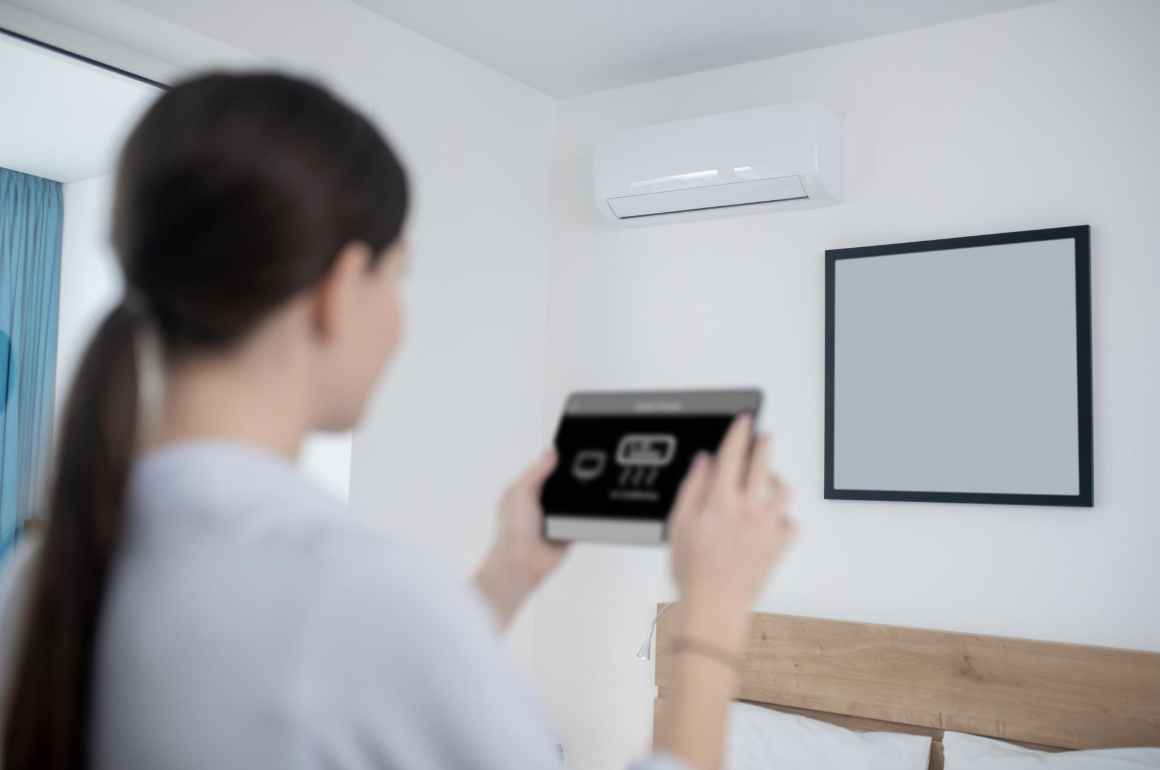
Technology can help us create better environments for our health. Smart home systems can adjust the temperature, lighting, and air quality based on when we’re home or what we need. This can help us feel comfortable without having to think about it.
Devices that track how we feel can also help us know what changes we can make to our environment to feel better. Things like air quality monitors can help us keep the air fresh and clean.
The Future of Environmental Mental Health
Scientists are always learning more about how our environment affects our mental health. In the future, we might use technology to create spaces that are even more comfortable and healthy for our minds. Green building designs that focus on both the environment and mental health are already being used, and these ideas will keep growing.
Conclusion: Taking Control of Your Environment
We now know that the spaces we live in can have a big impact on how we feel and think. By making small changes to our surroundings, like adjusting the temperature, lighting, and air quality, we can create environments that support our mental health. Whether at home, at work, or in a therapy space, taking care of our environment helps us stay happy, healthy, and focused.
Image: https://www.freepik.com/free-photo/woman-turning-air-conditioner-using-tablet_20879849.htm




Leave a Reply