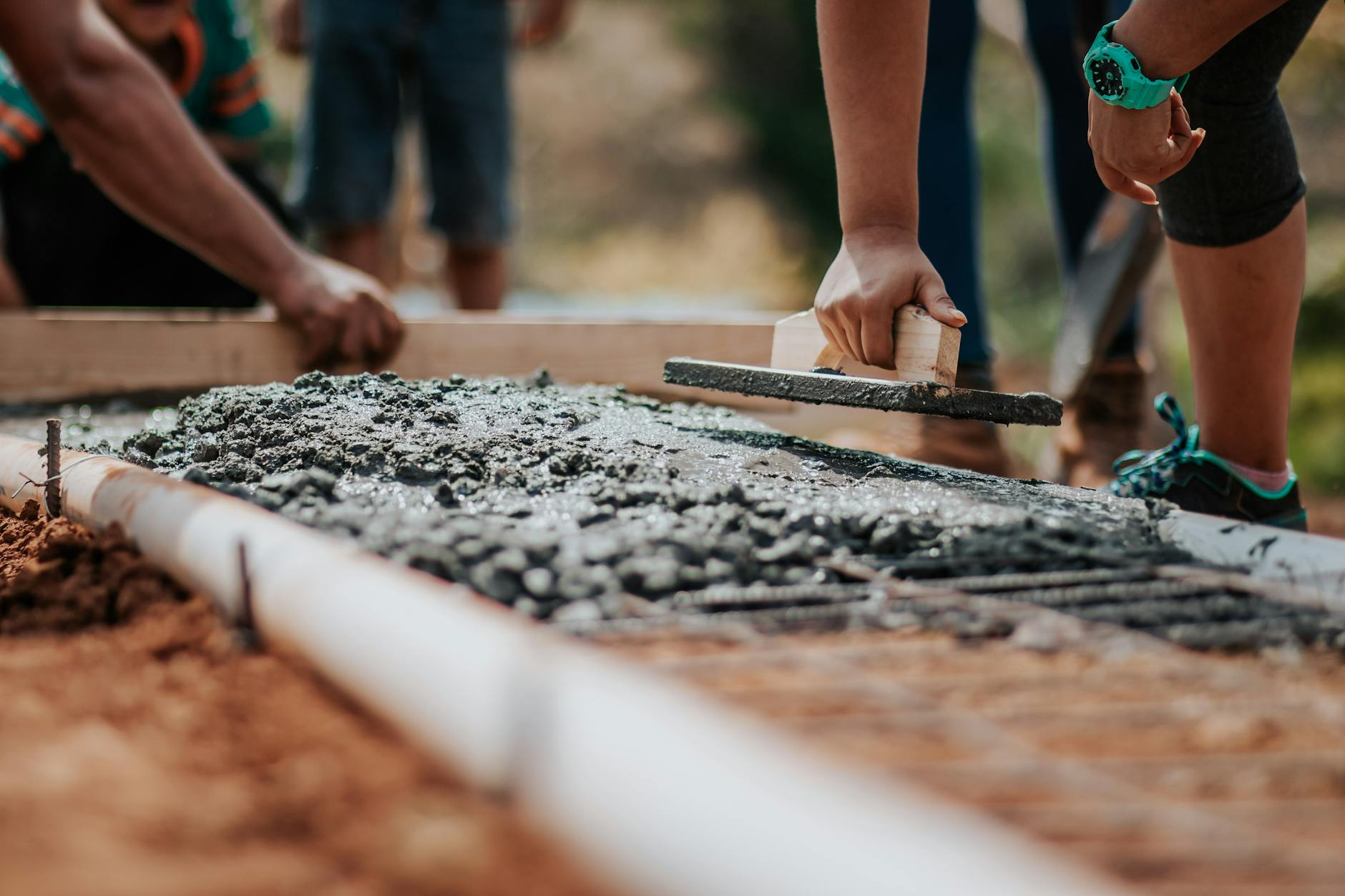
Every great structure begins long before the first wall goes up or the foundation is poured. Beneath the visible layers of concrete and framing lies a carefully prepared surface that determines the long-term success of any project. Two of the most important yet often overlooked components of site preparation are grading and drainage. Without them, even the strongest materials can fail over time.
A professional excavation contractor in Colorado understands that the state’s unique geography—ranging from steep mountain slopes to clay-heavy plains—makes grading and drainage especially crucial. Properly shaped land prevents erosion, directs water safely away from structures, and supports stable foundations. Without expert excavation and land management, Colorado’s unpredictable weather can quickly turn small mistakes into major problems.
This article explains why grading and drainage are essential to every construction project, how professionals execute them effectively, and why hiring experienced contractors can make the difference between long-lasting stability and costly damage.
Why Grading and Drainage Matter
Grading and drainage work hand in hand to manage how water moves across your property. Grading involves reshaping the surface of the land to create proper slopes, while drainage systems ensure that water flows away from buildings, roads, and other structures.
When grading is done incorrectly, water can collect near foundations, leading to structural damage, flooding, or soil erosion. In Colorado, where snowmelt and heavy rain can appear suddenly, poor drainage can cause significant problems if not addressed during the excavation stage.
Proper grading and drainage:
- Protect foundations from water damage
- Prevent erosion on sloped or unstable ground
- Maintain soil stability for landscaping and construction
- Ensure compliance with building codes and environmental standards
A trusted grading service in Colorado ensures these elements are built into your project plan from the very beginning, setting the stage for long-term success.
Understanding the Grading Process
Grading starts with analyzing the land’s topography. Using survey data and elevation maps, contractors determine how to reshape the ground for optimal slope and stability.
1. Site Clearing and Preparation
Before grading begins, the land is cleared of trees, rocks, debris, and any other obstructions. This creates a clean surface for machinery and helps identify hidden challenges such as soft soil or underground utilities.
2. Establishing the Correct Slope
The primary goal of grading is to ensure water drains away from structures. In most cases, the ground near a building should slope downward at least 5% (or 6 inches over 10 feet) to prevent pooling. The exact slope may vary depending on soil type, elevation, and local regulations.
3. Soil Compaction and Stabilization
Once the slope is established, the soil must be compacted to provide a solid base. Loose soil can settle unevenly, causing dips that redirect water back toward the structure. In regions with expansive clay, additional stabilization materials like gravel or sand may be used to improve drainage and reduce swelling.
4. Fine Grading and Final Inspection
Fine grading ensures the surface is level and smooth enough for foundation pouring or landscaping. Laser-guided equipment and GPS technology help achieve precision down to the inch. Before moving forward, the contractor inspects the grade to confirm compliance with design specifications.
The Role of Drainage in Land Stability
Even with perfect grading, poor drainage can undo all the hard work. Drainage systems are designed to capture and redirect surface or groundwater away from vulnerable areas.
1. Surface Drainage
This includes features like swales, ditches, and contour grading that channel water across the surface. These systems are ideal for directing runoff from rain or snowmelt away from roads, driveways, or building foundations.
2. Subsurface Drainage
For areas prone to water accumulation, underground systems such as French drains or perforated pipes may be installed. These collect water below the surface and guide it toward safe discharge points, preventing soil saturation.
3. Erosion Control
In sloped regions of Colorado, erosion is a constant concern. Contractors may add retaining walls, riprap (rock barriers), or vegetation to stabilize soil and prevent washouts. Effective drainage keeps slopes intact and prevents sediment from damaging nearby waterways.
Bear Claw Land Services specializes in designing drainage solutions that fit Colorado’s diverse terrain. From steep mountain properties to flat urban lots, their team ensures water flows exactly where it should—away from structures and into safe, controlled areas.
How Colorado’s Terrain Influences Grading and Drainage
Colorado’s landscape presents unique challenges for excavation and grading. The western slope and mountain regions feature rocky soil that requires heavy-duty equipment and precise leveling. The eastern plains, on the other hand, often contain clay and loam, which expand and contract with moisture.
During winter, freeze-thaw cycles can shift soil and disrupt even well-prepared grades. In spring, snowmelt adds another layer of complexity, requiring drainage systems capable of handling large water volumes.
A skilled excavation contractor in Colorado accounts for these environmental variables during the planning stage. By analyzing soil composition, slope direction, and expected water flow, they create systems that withstand Colorado’s changing climate year after year.
The Connection Between Grading, Foundations, and Longevity
Your building’s stability starts with what lies beneath it. Even the best foundation design will fail if placed on improperly graded land or poor drainage. Water that seeps under foundations can cause soil movement, cracking, or frost heave—where frozen moisture expands and shifts the structure above.
Proper grading ensures that foundations remain dry and secure, while effective drainage protects surrounding areas like driveways, walkways, and landscaping. The result is a property that resists settling, erosion, and costly maintenance issues over time.
For property owners, investing in professional grading and drainage isn’t just about preventing problems—it’s about ensuring the long-term integrity of your investment.
The Role of Modern Technology in Precision Work
Advancements in excavation and grading technology have transformed how contractors manage land. Today’s professionals use tools like GPS-guided graders, laser levels, and 3D modeling software to achieve unmatched precision.
These tools help visualize drainage paths, calculate cut-and-fill requirements, and ensure every contour of the land supports your project’s design. This precision minimizes waste, reduces rework, and shortens project timelines—all while ensuring compliance with engineering and environmental standards.
Modern equipment also allows for better safety and reduced environmental impact, as operators can achieve accurate results with fewer passes and less soil disturbance.
Partnering With Professionals for Reliable Results
Grading and drainage are not DIY tasks—they require specialized equipment, technical knowledge, and a deep understanding of local terrain. Attempting these processes without experience can lead to uneven slopes, improper compaction, or ineffective water management.
Hiring a professional excavation contractor in Colorado ensures that your site preparation is completed to industry standards. Experts bring the right tools, technology, and experience to handle everything from residential grading to large-scale commercial developments.
Final Thoughts
Behind every stable structure lies expertly graded and properly drained land. These unseen foundations protect your property from water damage, erosion, and shifting soil—ensuring your investment stands the test of time.
With Bear Claw Land Services, property owners in Colorado gain more than just excavation expertise; they gain a trusted partner who understands the land’s unique challenges and how to overcome them. Through precise grading, effective drainage, and a commitment to quality, they help you build a property that’s as resilient as it is reliable.




Leave a Reply