Have you ever wondered why so many U.S. presidents appear tall and confident? From George Washington to modern leaders, height has long been seen as a sign of strength and leadership. But does a few extra inches really make a difference in how people see a president? Let’s look at how stature has shaped — and sometimes misled — public perception through American history.
1. The Founding Era: Leadership Meant Wisdom, Not Height
In the early days of the republic, voters didn’t care much about physical appearance. George Washington’s leadership came from his courage and vision, not his 6’2″ frame. Similarly, James Madison — the shortest president at 5’4″ — played a massive role in writing the U.S. Constitution.
These early leaders showed that intellect, not inches, mattered most in shaping a young nation.
2. The Age of Newspapers and the Rise of Image
As printing and photography grew popular in the 19th century, appearance began to matter more. Political cartoons and portraits highlighted the physical traits of presidents — sometimes flattering, sometimes not.
Voters started forming opinions not only based on speeches and policies but also on how “presidential” someone looked. Height and body language became silent but powerful signals of confidence and authority.
3. 20th Century: Television Changes Everything
Television reshaped how people viewed leaders. Suddenly, voters could see their presidents daily. During the first televised debates between John F. Kennedy and Richard Nixon, Kennedy’s posture, confidence, and calm expression made him appear more capable — even though their ideas weren’t far apart.
From that point on, visual presentation became a key part of politics. Taller presidents often appeared more commanding on screen, reinforcing a subtle bias toward stature.
4. The Modern Era: Social Media and Public Curiosity
Today, everything about presidents — from their policies to their personal habits — becomes a topic of online discussion. Even small details like height still attract public curiosity.
For example, readers often explore resources that discuss Trump’s physical stature, such as this detailed overview of his height comparison. Articles like that reflect how people continue to link leadership presence with physical image, even in a digital era where ideas should matter more than appearances.
5. Beyond Looks: How Policies Shape Perception
While appearance plays a role, public opinion is ultimately driven by actions. Voters judge presidents by how their decisions affect everyday lives.
For instance, when news stories surfaced about economic relief measures and tax discussions during Trump’s time in office, many people searched for clarity through reliable sources like this explainer on overtime tax policies. This shift from focusing on looks to understanding leadership choices shows how perception is evolving with awareness.
6. Does Height Still Influence Elections?
Studies suggest that taller candidates win slightly more often — but it’s not a rule. Voters might subconsciously associate height with power, yet charisma, communication, and integrity remain far stronger factors in modern elections.
In today’s world, authenticity matters more than appearance. Social media gives people a closer, more personal look at their leaders — making honesty and empathy far more valuable than a tall frame.
7. The Psychology Behind Height and Power
Humans naturally connect height with protection and dominance — instincts that trace back to ancient survival behaviors. This subconscious link can still affect first impressions, especially in public settings or televised debates.
However, as voters grow more informed, these biases are slowly fading. What matters now is the message, not the measurement.
8. Lessons from History
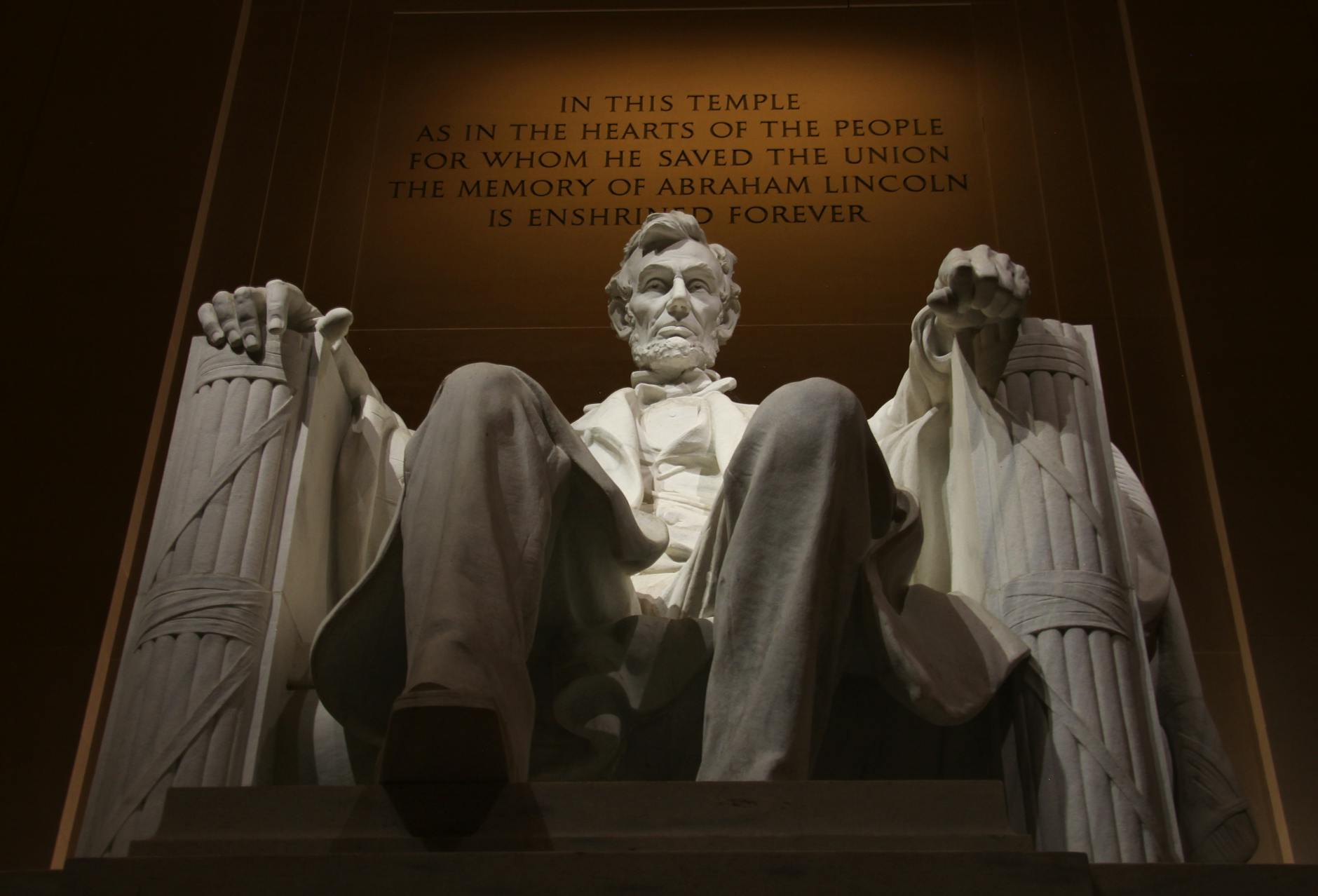
History proves that leadership isn’t about size but substance. Abraham Lincoln’s towering height became part of his image as a moral giant, but James Madison and Harry S. Truman — both shorter men — left equally powerful legacies through determination and courage.
In every era, the presidents who connected with people’s hopes and values stood taller in the eyes of history, regardless of their physical stature.
9. The Future of Presidential Image
In the future, height will likely play an even smaller role in shaping how Americans view their presidents. Digital communication has leveled the field — now, a leader’s tone, words, and empathy can reach millions without the need for imposing physical presence.
Voters today care more about authenticity and transparency. That shift reflects how the American public has matured beyond old visual biases.
10. Conclusion: True Leadership Is Measured Differently
From Washington’s time to the present day, the height of U.S. presidents has fascinated historians and citizens alike. Yet, what truly endures isn’t how tall they stood, but how deeply they served.
Height may influence first impressions, but integrity, vision, and the ability to inspire others define a president’s lasting legacy.
As history shows — real greatness comes from standing tall in principle, not just in stature.
FAQs
1. Does being taller make someone more likely to become president?
Not exactly — while taller candidates often seem more confident, leadership depends on skill and trust.
2. Who was the tallest president in U.S. history?
Abraham Lincoln, at around 6’4″.
3. Who was the shortest president?
James Madison, at about 5’4″.
4. Does the public still care about a president’s appearance?
Less than before. Today, policies and character have a stronger influence on perception.
5. How do media and online sources shape modern presidential images?
Through continuous coverage and social media sharing, small details — like height or tone — can quickly affect public opinion.



Leave a Reply