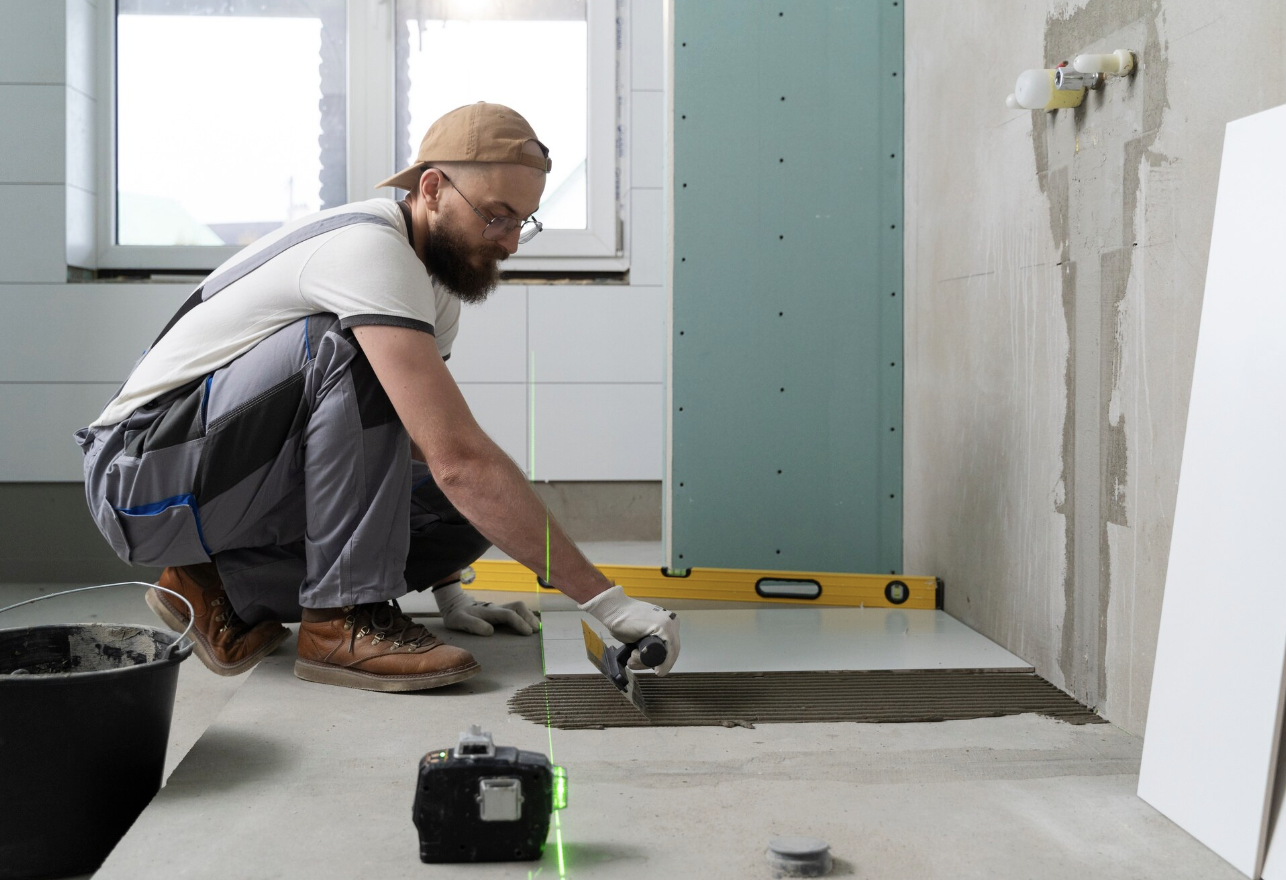
Bathroom renovations aren’t cheap. The average homeowner spends between $6,600 and $16,900 on a bathroom remodel. Some projects hit $80,000 or more for luxury upgrades.
With that much money on the line, picking the right contractor matters. A good one saves you thousands. A bad one costs you way more than their bid price. Most homeowners don’t realize this until it’s too late.
The contractor you choose affects everything. How long the project takes, whether it stays on budget, if the work gets done right the first time. Make the wrong choice and you’ll pay for it, literally.
Why Most People Choose Wrong
Most homeowners pick contractors based on price. Lowest bid wins. Seems logical, why pay more when someone will do it cheaper?
This thinking costs people thousands in the long run. That cheap contractor left out important work from their estimate. They use subpar materials. They hire unskilled workers. By the time you discover these problems, you’ve already paid them and the work needs redoing.
Labor makes up 60% to 70% of bathroom renovation costs. That’s where your money goes. Paying people to do the work. Cheap labor usually means inexperienced labor. Inexperienced workers make expensive mistakes.
Another common mistake is hiring general handymen for bathroom work. Bathrooms require specialized knowledge like plumbing, electrical, waterproofing, tile work. A guy who’s good at building decks might be terrible at bathroom renovations.

The Hidden Costs of Bad Contractors
Bad contractors create costs you never see coming. They start work and discover “unexpected problems” that need fixing. Suddenly your $10,000 project needs another $5,000 in repairs.
Sometimes these problems are real. Old houses hide issues behind walls. But dishonest contractors use this as a way to lowball their initial bid, then jack up the price once work starts. You’re stuck because they’ve already torn apart your bathroom.
Poor workmanship creates future costs too. That tile job looks fine now, but in six months it’s cracking because they didn’t prep the surface right. The shower leaks into your walls, causing mold damage that costs thousands to repair. You saved $2,000 upfront and spent $8,000 fixing problems later.
Permits and code violations are another hidden cost. Good contractors know local building codes and get proper permits. Bad ones skip this step to save time and money. When you go to sell your house, the unpermitted work becomes a major problem. You might have to tear everything out and redo it properly.
What Good Contractors Actually Do
Quality contractors save you money in ways that aren’t obvious upfront. They catch problems during planning, before work starts. Moving that toilet three feet left might seem simple, but it requires replumbing that costs $2,000. A good contractor tells you this before signing the contract.
They also know how to work efficiently. Licensed contractors have experience handling permits and inspections, which are essential for meeting local building codes. This process goes smoothly when someone knows what they’re doing. With inexperienced contractors, permits get rejected, work stops, and you’re paying for delays.
Material knowledge is another big saver. Contractors get better prices than homeowners because they buy in bulk and have relationships with suppliers. That tile you found online for $8 per square foot? Your contractor gets it for $5. Over a 100-square-foot bathroom, that’s $300 in savings right there.
Good contractors also prevent the expensive “change order” trap. This is where you realize mid-project that you need something different than planned. Change orders always cost more than including things from the start. Quality contractors help you think through everything upfront so you’re not making expensive changes halfway through.
The Importance of Localized Expertise
Take bathroom projects in Perry Hall, Maryland as an example. Bathroom Reconstruction Perry Hall MD contractors who know the area understand local code requirements, typical house structures from different building eras, and which suppliers provide the best value.
A contractor unfamiliar with Perry Hall might not know that many homes built in the 1970s have specific plumbing configurations that require specialized approaches. They start work, run into problems, and suddenly you’re paying extra for corrections.
Local contractors also understand regional pricing. They know what bathroom renovations actually cost in the area. Out-of-town contractors might underbid because they don’t understand local labor costs, then cut corners to make up the difference.
What To Look For In A Contractor
Experience with bathroom-specific work matters most. Ask how many bathroom renovations they’ve completed in the last year. Less than ten? They’re not specialists. You want someone who does this regularly, not occasionally between other jobs.
Licensing and insurance aren’t optional. Unlicensed contractors might charge less, but you have zero protection if something goes wrong. Insurance covers damage to your home during construction. No insurance means you’re liable if a worker gets hurt or they damage your property.
References from recent projects tell you what working with them is actually like. Don’t just ask if they can provide references, actually call those references. Ask about communication, staying on budget, handling problems, and quality of finished work.
Detailed written estimates separate good contractors from sketchy ones. Vague estimates with round numbers like “about $15,000” are red flags. Quality contractors provide itemized lists showing exactly what you’re paying for – materials, labor, permits, disposal fees, everything.
Budget Planning That Actually Works
The national average bathroom remodel costs $11,533 according to recent data. But averages hide huge variation. A powder room refresh might cost $5,000. A luxury primary bathroom hits $30,000 or more.
Set your budget before talking to contractors, but be realistic. If you want a complete renovation with quality materials and skilled labor, $15,000 is more realistic than $8,000 for a standard-sized bathroom. Unrealistic budgets force you to cut corners that create problems later.
Include a 20% contingency fund for unexpected issues. Old houses especially hide problems behind walls – rotted subfloors, outdated plumbing, electrical that’s not up to code. Finding these mid-project is normal. Having money set aside means you can fix them properly instead of with cheap workarounds.
Get at least three detailed estimates from different contractors. This shows you the realistic price range and helps you understand what’s included. If one bid is way lower than the others, that’s a warning sign, not a bargain.
Material Choices That Matter
Contractors influence material costs in ways most homeowners don’t realize. Quality contractors know which products perform well and which ones cause problems. They steer you toward reliable brands instead of whatever looks nice at the showroom.
Cheap materials rarely save money overall. That $200 vanity might seem like a bargain compared to a $600 one. But if it falls apart in three years, you’ll spend money replacing it plus labor costs for the replacement. The $600 vanity that lasts 15 years is actually cheaper per year of use.
Contractors also know which materials work well together. Certain tiles need specific underlayments. Some paint types don’t adhere to certain surfaces. Homeowners making these choices alone often pick incompatible products that cause problems.
Waterproofing is where material choices matter most. Bathrooms are wet environments. Proper waterproofing prevents thousands in water damage. Skimping here to save $500 can cost you $10,000 in mold remediation and structural repairs later.
The Warranty Question
Good contractors stand behind their work with warranties. This protects you if problems show up after completion. No warranty means you’re paying out of pocket for any issues that arise later.
Ask specifically what the warranty covers and for how long. Typically, structural work should have at least a one-year warranty. Some contractors offer longer warranties on certain aspects of the work.
Material warranties matter too. Quality contractors use products that come with manufacturer warranties. They know how to file warranty claims if products fail. This expertise saves you money if something goes wrong.
Long-Term Value
Mid-range bathroom remodels have a return on investment of 73.7% according to recent cost analysis. This means quality renovations add real value to your home. But that ROI assumes the work is done properly.
Poor-quality renovations don’t add value. Home inspectors spot shoddy work. Buyers either demand price reductions or walk away from the sale entirely. Your “money-saving” cheap contractor just cost you thousands in lost home value.
Quality bathrooms also work better for daily living. Good contractors design layouts that function well. They consider things like storage, lighting, ventilation – factors that affect how much you actually enjoy using the space.
Making The Right Choice
Choosing the right bathroom contractor isn’t about finding the cheapest option. It’s about finding the best value – someone who delivers quality work for a fair price without hidden costs or future problems.
Start by asking friends and neighbors for recommendations. Personal experiences tell you more than online reviews. Someone who’s actually worked with a contractor knows what to expect.
Interview at least three contractors before deciding. Ask about their experience, their process, how they handle problems, and what their typical timeline looks like. Pay attention to how they communicate and whether they listen to your concerns.
Check their license and insurance status with your state or local licensing board. This takes five minutes online and can save you from major problems later. Licensed contractors have more to lose if they do poor work.
Get everything in writing. The contract should specify exactly what work they’re doing, what materials they’re using, the timeline, payment schedule, and warranty terms. Never proceed with verbal agreements no matter how trustworthy someone seems.
The Bottom Line
The right bathroom contractor saves you money by doing the job right the first time. They prevent expensive mistakes, get you better material prices, work efficiently, and stand behind their work with warranties.
The wrong contractor costs you in obvious ways – overruns, poor quality, code violations. But also in hidden ways – future repairs, lost home value, and the stress of dealing with problems for months or years.
Spending time to choose well upfront prevents spending money to fix problems later. Your bathroom renovation is a major investment. Protect that investment by hiring someone who knows what they’re doing and cares about quality results.




Leave a Reply