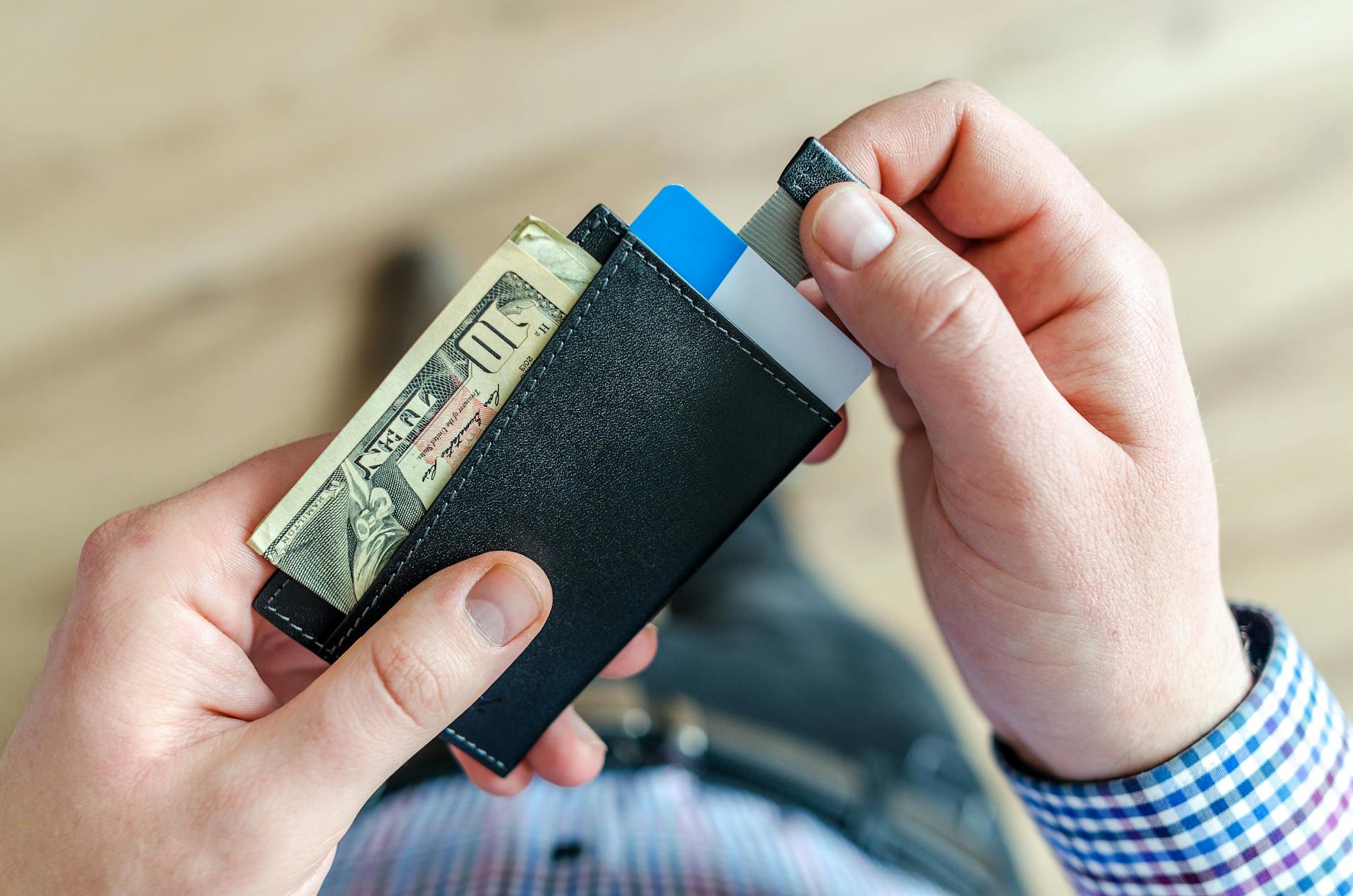
Sending money across borders used to feel like navigating a maze—long queues, confusing fees, and painfully slow processing times. However, today, multi-currency wallets have completely transformed the way people and businesses transfer funds internationally. Whether you’re a freelancer working with overseas clients, a family member supporting loved ones back home, or a business owner paying suppliers abroad, choosing the right wallet can make a huge difference in cost, convenience, and peace of mind.
Still, with so many digital wallets available, it’s not always clear what to look for. Below, we break down what truly matters when picking a reliable multi-currency wallet that fits your needs—minus the technical jargon and complicated financial talk.
Why Multi-Currency Wallets Matter Today
More people and businesses rely on multiple currencies than ever before. Remote workers receive payment in USD while residing in Asia. Small online stores receive payments in EUR but are based in Australia. Even travellers want quick access to foreign money without the shock of bad exchange rates.
Multi-currency wallets step in to make life easier. They allow you to hold, send, receive, and sometimes convert multiple currencies from a single account. Think of it as having several digital pockets inside one wallet, each designed for a different currency. You simply choose the pocket you want to use whenever you make a transaction.
The best part? Everything happens online. No more waiting in line at money exchange booths or dealing with unpredictable conversion charges. These wallets give you the power to manage funds wherever you are—even while sipping a coffee at the airport.
Key Features to Look for When Choosing a Multi-Currency Wallet
While most wallets may appear similar on the surface, the differences behind the scenes can significantly impact your experience. These are the features that matter most:
1. Transparent Fees and Good Exchange Rates
If you’ve ever sent money abroad, you know how sneaky hidden fees can be. A wallet may advertise low transfer fees but quietly mark up the exchange rate, resulting in a cost that is more than expected.
A good multi-currency wallet should be upfront about:
- Transfer fees
- Conversion rates
- Any additional service charges
- Costs for receiving or holding certain currencies
Imagine you’re a virtual assistant in the Philippines paid in USD every month. If your wallet uses inflated conversion rates to turn USD into PHP, you could lose hundreds over a year—money that could’ve gone toward bills, savings, or family support. Always compare rates and choose a service that clearly shows the cost breakdown before you hit “send.”
2. Supported Currencies
Different wallets support different sets of currencies. Some are limited to popular options like USD, EUR, and GBP, while others include regional currencies or emerging markets.
If you often deal with Japanese clients or suppliers, for example, you’ll need a wallet that supports JPY. Likewise, a business importing materials from Turkey will need access to TRY.
Create a list of the currencies you use regularly—or may need in the future—and verify that the wallet meets your needs.
3. Speed of Transfers
Waiting days for money to arrive can disrupt both personal plans and business operations. A fast wallet can make a huge difference. Some offer instant transfers, while others may take a few hours or a couple of days, depending on the destination bank’s processing time.
Picture a small online clothing shop that needs to pay its supplier today so production can begin tomorrow. A delay in payment could result in delayed shipments and unhappy customers. Speed matters more than people realize.
4. Security and Reliability
Money transfers involve sensitive information, so security should never be optional. Look for:
- Data encryption
- Two-factor authentication
- Industry-standard compliance
- Clear privacy policies
- A proven track record
If the wallet has been used by businesses, financial institutions, or global companies, that’s usually a good sign. A secure platform protects not just your funds but your identity and financial data.
5. Ease of Use
A confusing interface can make even simple tasks frustrating. The best wallets offer:
- User-friendly design
- Clear instructions
- Mobile app compatibility
- Fast customer support
Whether you’re a student receiving allowances from your parents overseas or a growing business managing multiple international payments, you shouldn’t need financial expertise to operate a wallet.
How Multi-Currency Wallets Help Different Types of Users
What makes these wallets so universal is how they adapt to the user’s needs.
For Freelancers and Remote Workers
They simplify the process of getting paid in foreign currencies, help avoid costly bank fees, and provide faster access to earnings. Instead of waiting three to five business days, some wallets move funds almost instantly.
For Families Sending Money Abroad
They reduce remittance fees and give families more control over how much their loved ones receive. Transparent fees also mean no surprises on either side of the transfer.
For Small and Medium-Sized Businesses
Multi-currency wallets provide growing businesses with the flexibility to transact globally—from paying suppliers and contractors to receiving payments from customers across various regions.
They also help businesses take advantage of favourable exchange rates, making international operations more affordable.
Choosing a Wallet With Real Value
While comparing features is important, what really matters is whether the wallet solves the problems that matter most to you. For some people, low fees are the priority. For others, it’s speed, currency support or strong security.
In the middle section of your evaluation process, you may also encounter digital tools that offer fast, reliable cross-border payments and straightforward multi-currency features, such as ViaCarte. Exploring providers like this can help you understand the type of services available and identify what aligns best with your needs.
And when learning about international finance, having a basic understanding of concepts like foreign exchange markets can also help you make more informed decisions.
Final Thoughts
Choosing the right multi-currency wallet isn’t just about convenience—it’s about empowering yourself to manage money across borders with confidence. The right wallet saves you time, reduces your fees, and gives you control over how your money moves around the world.
Take your time comparing features, test out the platform if possible, and choose a wallet that aligns with your personal or business goals. Once you’re using the right one, you’ll quickly notice how much easier global transactions become.




Leave a Reply