Routine maintenance is often underestimated, but it plays a crucial role in protecting the value, functionality, and safety of any property or major system. Many people focus on visible or easy tasks, such as cleaning, replacing light bulbs, or changing air filters, while neglecting repairs that may seem minor at first. Ignoring these issues can allow small problems to grow into costly and disruptive failures.
By incorporating important repairs into a regular maintenance routine, property owners and homeowners can prevent emergencies, extend the lifespan of equipment and infrastructure, and ensure a safe, comfortable environment. Understanding which repairs are crucial and why they matter helps prioritize maintenance tasks effectively. The following guide explores six areas where proactive attention can prevent damage, improve efficiency, and save significant resources.

Roof and Gutter Repairs
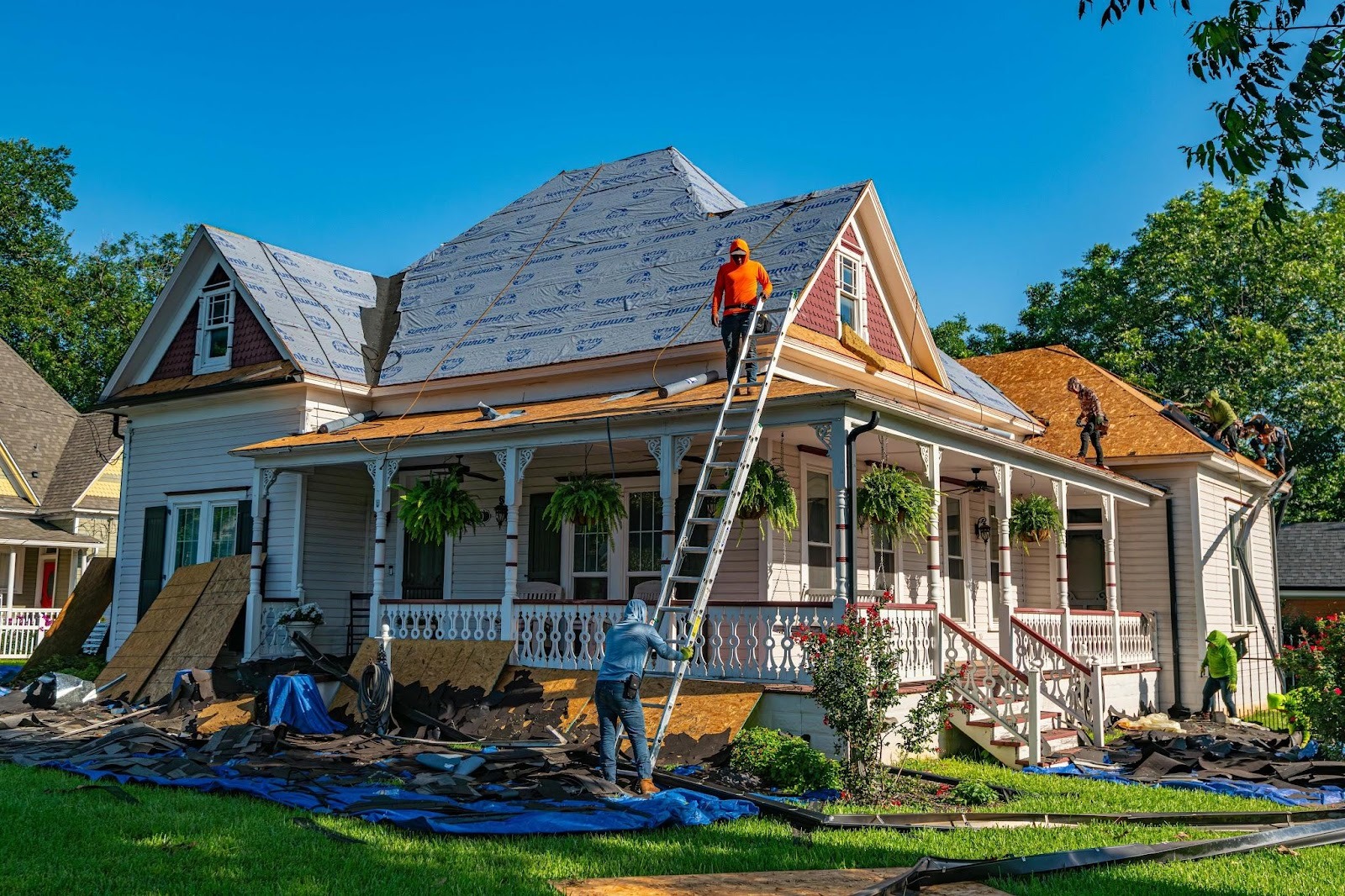
A roof and its gutters protect a home from water damage, weather, and structural deterioration, making their upkeep important. At the first sign of wear or minor damage, it is wise to get expert roof repairs to prevent small issues from turning into costly problems. Shingles may crack or loosen, flashing can deteriorate, and gutters can become clogged with debris, creating leaks and foundation risks.
Regular inspections help identify these problems early, allowing timely fixes. Proper maintenance preserves the home’s integrity, ensures water flows safely away from the foundation, and extends the lifespan of roofing and gutter systems.
HVAC System Maintenance
Heating, ventilation, and air conditioning systems require consistent care to function efficiently and reliably. These systems operate year-round in many regions, and minor issues can escalate into major failures without warning. Filters can become clogged with dust and debris, reducing airflow and putting additional strain on the system.
Components like compressors, fans, and thermostats may wear unevenly or fail unexpectedly. Neglecting repairs increases energy consumption, raises utility costs, and compromises indoor air quality. Routine maintenance tasks, such as cleaning ducts, inspecting electrical connections, and replacing worn parts, ensure that the system operates efficiently.
Plumbing Repairs
Plumbing problems often begin with minor symptoms, such as a dripping faucet, a slow drain, or a faint leak behind a wall. While these may seem insignificant, small leaks can cause water damage, encourage mold growth, and increase water bills. Pipes can corrode or develop hairline fractures that eventually lead to major failures, often requiring emergency repairs.
Regular plumbing inspections, drain cleaning, and leak detection are critical in preventing these outcomes. Proactive repairs maintain the efficiency and reliability of water systems and protect the property from structural damage and health hazards associated with mold and stagnant water. Timely attention keeps plumbing systems safe and dependable.
Electrical System Checks
Electrical systems are vital for convenience and safety, but they are frequently overlooked in routine maintenance. Worn wiring, loose outlets, and outdated panels create serious risks, including electrical fires, short circuits, and appliance damage. Minor issues like flickering lights or tripped breakers are often warning signs of larger underlying problems.
Scheduling regular inspections and repairs ensures that wiring is up to code, circuits are properly balanced, and potential hazards are corrected before they cause harm. Replacing worn components, updating panels, and maintaining grounding systems protects residents and equipment, reduces emergency costs, and ensures a consistent power supply for all electrical needs.
Exterior Maintenance
The exterior of a building serves as the first line of defense against weather, pests, and environmental wear. While painting, siding repairs, and sealing gaps may appear to be aesthetic tasks, they are crucial for structural protection. Cracks in walls, deteriorating siding, or worn sealants allow moisture and pests to penetrate, causing damage that spreads.
Consistent exterior maintenance preserves the building’s structural integrity, prevents moisture-related issues, and minimizes costly repairs. It improves energy efficiency by sealing gaps and maintaining insulation.
Appliance Servicing
Appliances experience frequent use and can fail unexpectedly without proper upkeep. Tasks such as cleaning components, lubricating moving parts, and checking for wear ensure reliable performance and energy efficiency. Neglecting regular servicing can lead to decreased functionality, higher energy costs, and premature replacement.
Routine maintenance helps prevent breakdowns, keeps appliances running efficiently, and extends their operational lifespan. Scheduling regular check-ups for major appliances like refrigerators, washing machines, and water heaters is a practical way to maintain convenience, reduce unexpected repair costs, and preserve household efficiency.

Regular maintenance is more than a matter of routine cleaning or cosmetic touch-ups. Including key repairs such as roof and gutter care, HVAC servicing, plumbing inspections, electrical system checks, exterior maintenance, and appliance servicing is crucial for long-term reliability and safety. Proactive attention prevents minor issues from escalating, reduces maintenance costs, and protects property value.
By understanding which repairs matter most and scheduling consistent upkeep, homeowners can maintain comfort, safety, and operational efficiency while avoiding emergency expenses and unexpected disruptions. Key maintenance transforms upkeep into a strategic approach that benefits the property and its occupants over the long term.




Leave a Reply