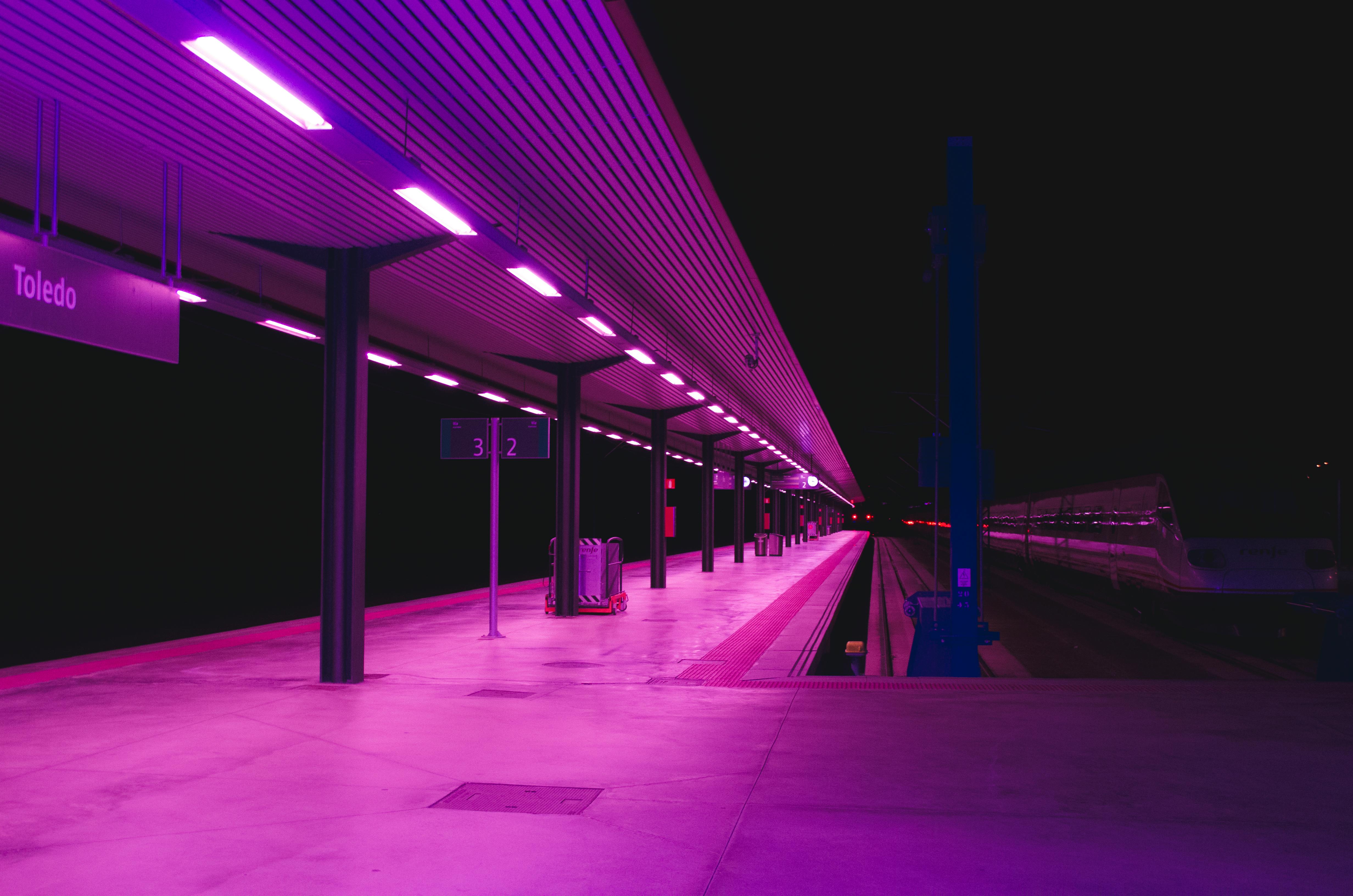
Neon lights are widespread both in decorative and in signage applications. They produce vivid and colorful effects. They are used in many homes, offices, and shops nowadays. The neon lights that are used today are simple to install. They are also flexible and adapt to various shapes. It is safely installed through proper installation. With a reliable LED neon lights manufacturer, the quality and reliability are ensured.
Understanding Neon Lights
The conventional neon lights involve the use of gas-filled glass tubes. Neon lights acquired nowadays employ bendable LEDs. A flexible LED neon strip can be bent into shape. It is a low-power consumption, bright light. These are safer than glass neon lights, the LED varieties. Also, they are more durable and can be installed more easily.
Flexible neon strips are suitable for both indoor and outdoor use. They are suited to signs, residential decoration, and artwork designs. With the right tools and planning, it is an easy job to install.
Tools required during installation.
Proper tools make the installation easy. The power supply should be that of neon lights. The space is measured with the assistance of a ruler and markers. The strips can be fixed using clips or channels. Connectors and wire cutters are also needed. Damage mitigation and safety are achieved by using the appropriate tools.
The quality of neon strips should be taken into consideration, and this is done through selecting the right manufacturer of neon lights, which is a good quality of LED light. Good quality strips are a durable source of light and are not difficult to install.
Planning the Layout
Before installation, lay out the layout. Measure the space of places that lights will occupy. Determine the form and makeup of the installation. Ensure that there is access to a source of power. Beware of accidents that can occur during installation. Planning prevents errors and is less effective in actual terms of foreseeing and reducing trimming or adjustments.
Fluorescent lamps are presented in the form of flexible strips, which can be shaped into curls and characters. This allows flexibility to come up with creative designs. Planning makes sure that the neon strip is in place.
Preparing the Surface
Wipe and dry the area where the lights will be fitted. Adhesion can be minimized by dust, oil, or moisture. Smooth walls, wood or acrylic, and similar panels are better. In case of outdoor installation, the surface should be weatherproof. Correct surface preparation also makes the neon lights remain fixed firmly.
Mounting the Neon Light
LED neon strips can be easily attached flexibly. Fix the strip with the use of strips, channels, or adhesive backing. One must stick the strip into position. Keep sharp folds to a minimum so that the strip is not ripped. Make sure that the strip is leaned across its entire length. This is done in order to eliminate sagging and provide an even glow using secure mounting.
Mounting clips that install outdoors need to be stronger. Durability should be employed on weatherproof strips. These steps should be followed as a way of preserving the neon lights.
Connecting the Power Supply
Neon lights require proper voltage to use. Link the strip with a matching power supply. Check the polarity and observe the instructions of the manufacturer. An intense connection ensures flickering is avoided, and overheating is avoided. Several power points can be required in the case of longer strips. The flexible LED neon strip of good quality will make sure that the light is even throughout.
One must always switch off the power during installation. Safety is the top priority.
Testing the Neon Lights
Lights should be tested after installation and then fixed. Switch the power on and ensure that there is even brightness. Search in areas of darkness or flickering. Change connections (where necessary). When the lights are fine, then be sure to have the strip fastened. The test provides reliability in the long term.
Safety Precautions
Neon lights consume electricity, and thus, it is necessary to be safe. Never install them close to water without strips that are waterproof. Do not bend the strip sharply. Obey voltage and current specifications. Wear safety gloves at work with the lights. Adequate safety measures promote the prevention of accidents and physical damage.
Maintenance Tips
Neon lights of the flexible type need very little maintenance. Dust the strip regularly. Periodic review of check balances. Make sure that the power supply is proper. The neon light lasts longer in case of good treatment. Good products of a reputable LED neon lights manufacturer are also durable and do not fail at any time.
The benefits of Flexible LED Neon Strips.
Strips of flexurated LED neons are considered safe, brilliant, and energy-efficient. They permit such designs and simple installation. They are durable as well as lightweight. They are very durable compared to the traditional glass neon lights. The high-quality products will result in improvement of the outcomes and minimal installation issues.
Conclusion
The installation of neon lights is not as hard as long as there is planning and the right tools. The innovative LED strips are flexible and safe to be installed in any way. It is significant to measure carefully, prepare the surface, and fix it in place. By using a correct power supply, one can achieve easy work. By selecting an LED neon lights manufacturer that can be trusted, this ensures quality. Quality flexible LED neon strip produces bright and long-lasting light. Neon lights can be installed and maintained in the right way to enrich the space safely and beautifully.




Leave a Reply