Introduction
The teenage years are a pivotal stage of development marked by rapid physical growth, emotional changes, and increasing independence. During this time, teens begin shaping their identity, values, and long-term goals. Without positive structure and guidance, however, adolescents can easily become distracted, unmotivated, or influenced by negative peer pressure.
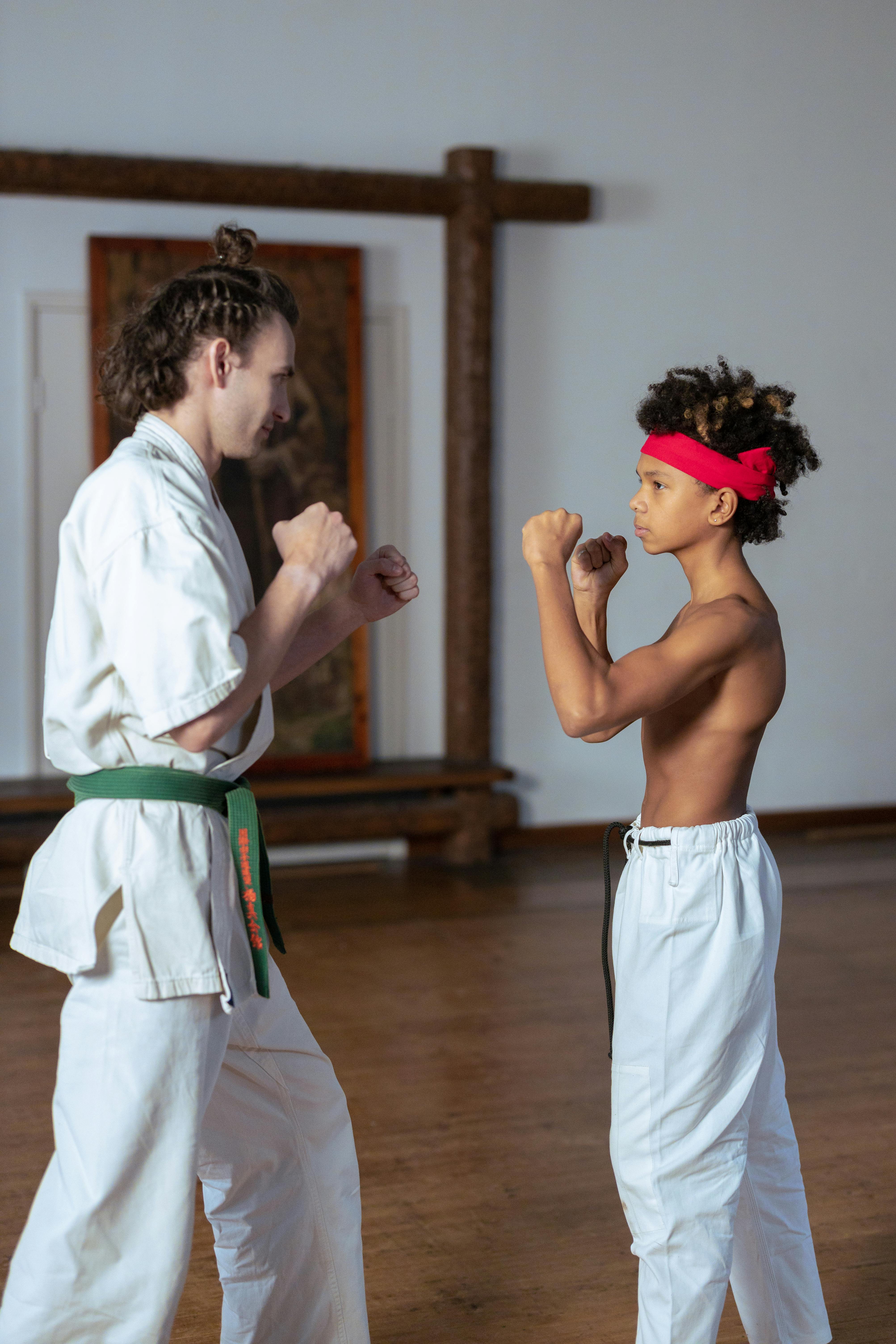
Parents often seek activities that provide more than just physical exercise. They want programs that reinforce accountability, discipline, and strong character while helping teens build confidence and resilience. Martial arts training offers exactly that balance, combining structured physical development with life skills that extend far beyond the training floor.
Programs like National Karate & Martial Arts Aurora are designed to meet teens at this critical stage, offering an environment that promotes responsibility, focus, and purposeful growth. This article explores why martial arts training is particularly impactful during adolescence and how it helps teens develop direction and maturity.
Providing Structure During Unpredictable Years
Teenagers thrive when clear expectations are established. Martial arts classes follow consistent routines that include warm-ups, technique practice, drills, and cool-downs. This predictable structure creates stability during a life stage that often feels uncertain.
When teens know what is expected of them, they are more likely to take ownership of their behavior. Regular attendance, proper uniform care, and respectful conduct become personal responsibilities rather than external demands. Over time, this structure encourages self-discipline that carries into academic and personal settings.
Encouraging Accountability for Personal Progress
Unlike many activities where success depends heavily on team performance, martial arts place responsibility directly on the individual. Advancement requires effort, preparation, and demonstration of skill. Teens quickly learn that progress is earned through commitment.
This accountability builds maturity. Instead of blaming others for setbacks, teens begin evaluating their own habits and effort levels. Programs at National Karate & Martial Arts Aurora emphasize this personal ownership, reinforcing that growth comes from consistent dedication.
Developing Healthy Responses to Peer Pressure
Adolescence is often accompanied by intense peer influence. Teens may feel pressure to conform to behaviors that conflict with their values. Martial arts training strengthens self-confidence and reinforces a sense of identity rooted in discipline and integrity.
When teens feel secure in their abilities and supported by a positive community, they are less likely to seek validation through risky or harmful behavior. They develop the confidence to say no when necessary and to stand by their principles even in challenging social situations.
Strengthening Focus and Long-Term Thinking
Many teens struggle with short-term thinking, prioritizing immediate rewards over long-term goals. Martial arts training counters this tendency by teaching delayed gratification. Belt advancement and skill mastery require sustained effort over time.
Through consistent practice, teens experience firsthand the rewards of patience and perseverance. They begin to understand that meaningful achievements require planning and follow-through. This mindset supports better decision-making in academics, extracurricular pursuits, and future career planning.
Promoting Physical and Emotional Balance
Physical activity plays a crucial role in teen development. Martial arts improve strength, flexibility, coordination, and endurance while providing a healthy outlet for stress. Adolescents often experience emotional highs and lows, and structured training helps regulate those fluctuations.
Controlled breathing, mindful focus, and disciplined movement promote emotional balance. Teens learn to manage frustration and channel energy productively. This emotional awareness enhances relationships at home and school, reducing conflict and improving communication.
Building Leadership and Initiative
As teens progress in martial arts, they are often given opportunities to mentor younger students or assist instructors. These responsibilities build leadership skills and reinforce accountability.
Leading by example teaches teens to model respectful behavior and strong work ethic. They learn that leadership is about service and responsibility, not authority. National Karate & Martial Arts Aurora fosters these opportunities by encouraging advanced students to guide peers and uphold high standards.
Reinforcing Respect for Authority and Self
Respect is central to martial arts philosophy. Teens are taught to respect instructors, classmates, and themselves. This mutual respect creates a positive environment where discipline is understood rather than resented.
When teens learn to respect themselves, they make healthier decisions. They are less likely to engage in self-destructive behaviors and more likely to prioritize personal growth. This internal respect becomes a foundation for long-term success.
Encouraging Time Management Skills
Balancing school, social life, and extracurricular activities can be challenging. Martial arts training requires consistent scheduling and preparation, encouraging teens to manage their time effectively.
Regular attendance and preparation for belt testing teach organization and responsibility. Teens learn how to prioritize commitments and follow through, skills that are essential for future academic and professional endeavors.
Fostering Resilience Through Challenge
Martial arts training is intentionally challenging. Techniques require repetition, focus, and perseverance. Teens encounter moments of frustration, but instructors guide them through these obstacles constructively.
Learning to overcome physical and mental challenges builds resilience. Teens develop confidence in their ability to handle setbacks and adapt to new situations. This resilience prepares them for future challenges, from college transitions to career pursuits.
Creating a Positive Peer Network
The dojo environment fosters supportive peer relationships. Teens train alongside individuals who share similar goals of growth and self-improvement. This positive peer group reinforces healthy behaviors and accountability.
Being part of a community that values discipline and respect strengthens teens’ sense of belonging. Programs at National Karate & Martial Arts Aurora create this supportive culture, encouraging collaboration and shared success.
Preparing Teens for Adult Responsibilities
Ultimately, martial arts training prepares teens for adulthood. The lessons of accountability, respect, perseverance, and leadership translate directly into future responsibilities. Teens who practice consistently develop a stronger sense of direction and purpose.
They enter adulthood with a foundation of discipline and confidence that supports academic achievement, career development, and healthy relationships. The structured guidance provided by National Karate & Martial Arts Aurora ensures that teens are not only physically capable but also mentally prepared for life’s demands.
Conclusion
Teen martial arts training offers far more than physical conditioning. It provides structure, accountability, and character development during one of the most formative periods of life. Through consistent practice and responsible progression, teens learn to manage their time, resist negative influences, and pursue long-term goals with discipline.
With programs like National Karate & Martial Arts Aurora, adolescents gain the tools they need to navigate challenges confidently and responsibly. By fostering resilience, leadership, and self-respect, martial arts help teens build a strong sense of direction that guides them well into adulthood.




Leave a Reply