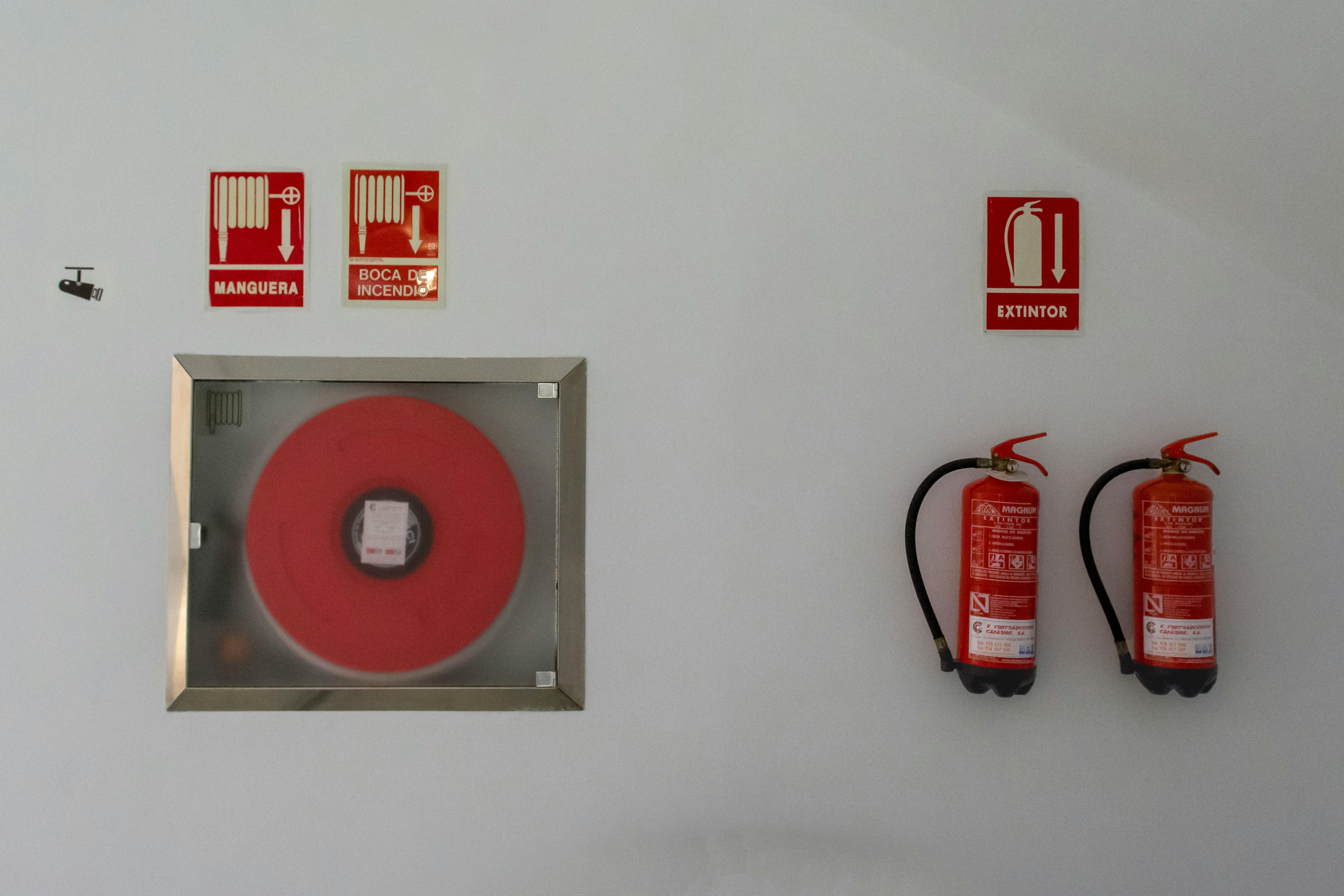
Fire safety is a critical concern for building owners, managers, facility operators, and safety professionals. One essential component of passive fire protection is the fire damper system. Fire dampers help prevent the spread of flames and smoke through ductwork in the event of a fire, and regular assessments are vital to ensure they work when needed.
This article breaks down the process in five practical steps so you can understand what’s involved in effective fire damper evaluations. Along the way you will learn why these assessments matter, what they examine, and how they contribute to the overall safety of a building.
Step 1: Locate and Document All Fire Dampers
The first step in any fire damper assessment is to locate and record all devices within a facility. This may sound simple, but in larger buildings with extensive ductwork it can be a complex task.
Begin by reviewing building plans and HVAC schematics to identify where fire dampers should be installed. Once identified, create or update a detailed inventory that includes:
- Location of each damper
- Type and size
- Accessible means of entry
- Any previous maintenance history
This inventory becomes the foundation of the assessment process and ensures no damper is overlooked.
Step 2: Conduct a Visual Inspection
Once all fire damper locations are known, a thorough visual inspection should be performed. This step involves checking for obvious signs of wear, damage, or obstruction. Inspectors examine the damper casing, blades, actuators, and any nearby insulation to ensure everything appears intact.
Common visual issues include:
- Rust or corrosion
- Loose or missing fasteners
- Blocked or obstructed blades
- Improper installation or misalignment
A visual inspection can catch many issues early before they develop into something more serious. It also helps assess whether deeper mechanical testing is required.
Step 3: Perform Functional Testing
Visual checks alone are not enough. Fire dampers must also be tested to confirm they operate as designed. Functional testing involves triggering the damper mechanism to verify that it closes fully and smoothly.
Depending on the damper type (e.g., gravity-operated, motorized), the testing procedure may vary. A certified technician will typically:
- Activate the damper using its release mechanism
- Observe blade movement and closure
- Ensure the damper latches securely in the closed position
- Reset the mechanism for normal operation
This step is essential because even a damper that looks fine can fail to operate correctly under real-world conditions.
Step 4: Assess Compliance and Performance
After the visual and functional checks, the next step is to evaluate each fire damper against applicable standards and regulatory requirements. Based on the findings, you determine whether each damper is compliant, requires maintenance, or must be replaced.
This assessment often includes cross-referencing:
- Manufacturer specifications
- Local and international fire safety codes
- Insurance requirements
- Previous assessment records
Documentation at this stage is critical. A clear assessment report will show the condition and performance of each damper, note any deficiencies, and recommend corrective actions.
Step 5: Report, Repair, and Schedule Follow-Up
The final step is to compile a full report of the assessment results and take action where needed. This usually includes:
- A written summary of the inspection and functional tests
- Photographic evidence of issues or failures
- A schedule for repairs or replacements
- Recommended timelines for future assessments
Once repairs are made, follow-up checks are often scheduled to verify that corrective actions were effective. Regular assessments should be part of your facility’s ongoing maintenance plan. Many safety standards recommend annual inspections, while some high-risk environments may require more frequent reviews.
For professional fire damper evaluations you may want to explore specialist services such as fire damper assessments. These services are designed to meet regulatory requirements and support long-term safety planning.
Final Thoughts
Fire damper assessments are a vital part of building safety and compliance. While the process involves detailed inspection and testing, breaking it down into these five practical steps makes it manageable for facility teams and safety professionals.
By locating and documenting all dampers, performing careful inspections and tests, assessing compliance, and acting on the results, you can ensure that your building’s fire protection systems are ready to perform when it matters most. Regular assessments not only protect property and lives, but they also demonstrate due diligence to regulators and insurers.
If you are responsible for facility safety, making fire damper assessments part of your maintenance routine is a smart and necessary choice.




Leave a Reply